Artisan Leather and Sandals in Ibiza
Everything you need to know about artisan leather and sandals in ibiza in Ibiza — practical info, local tips and where to go next.
The Enduring Craft of Ibizan Leather: More Than Just Sandals
Ibiza, famed for its sun-drenched beaches and pulsating nightlife, holds a quieter, more tactile secret: a rich tradition of artisan leatherwork. Beyond the ubiquitous "sandals" that conjure images of mass-produced tourist wares, lies a world of exquisite craftsmanship, passed down through generations. From supple, custom-fit footwear to intricate bags and accessories, Ibizan leather goods embody a blend of rustic charm and sophisticated design, deeply rooted in the island's bohemian spirit and practical heritage. This isn’t about fleeting trends; it’s about enduring quality, sustainable practices, and pieces that tell a story – often, your own.
Es Alpargatero: The Grandfather of Ibizan Footwear
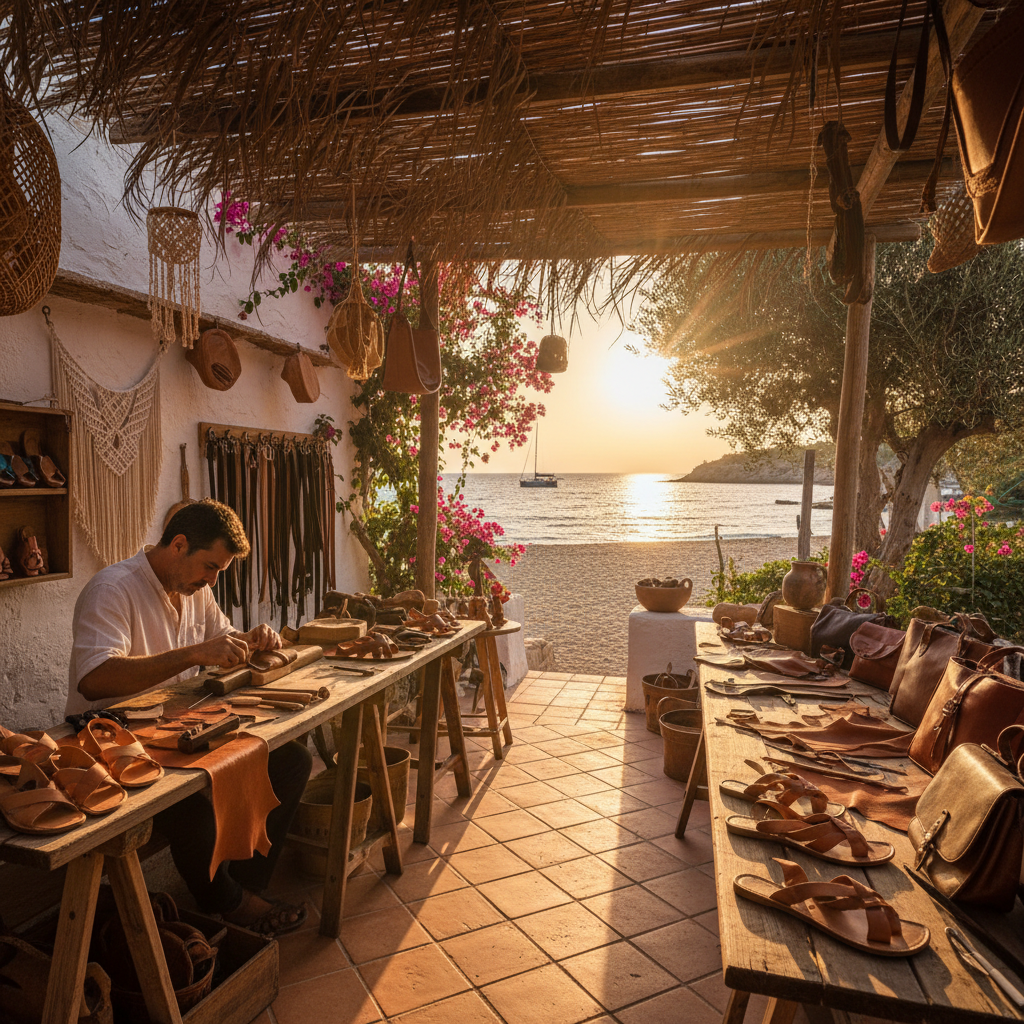
If you ask any long-time islander about authentic Ibizan footwear, the name Josep Costa, better known as Es Alpargatero, will invariably come up. Though Es Alpargatero himself has passed on, his legacy, and indeed his very workshop, continue in the capable hands of his son, Francisco Costa and his family, located in the charming heart of Sant Rafel de Sa Creu. This isn't a factory; it's a living museum of traditional leathercraft. You'll find them tucked away on the main road, Carrer de Sant Rafel, just past the iconic church. Here, 'alpargatas' (espadrilles) and 'espardenyes' (the traditional rope-soled, canvas shoe) are still made by hand, often to order.
What makes their leather sandals, specifically, so special? It's the meticulous hand-stitching, the use of robust but comfortable hides, and understanding of the human foot. They don't just sell you a sandal; they can often adjust and fit it to your foot shape right there. Expect prices for a custom-made pair of genuine leather sandals to start from around €80-€120, depending on the complexity and leather type. These aren't throwaway shoes; with proper care, they'll last many summers. Visiting their workshop, which is usually open Monday to Friday, 9:30 AM to 1:30 PM and 4:30 PM to 7:00 PM (seasonal variations apply, especially in winter), is a journey back in time, and an opportunity to see true artisans at work. It's a genuine slice of local culture that bypasses the tourist traps completely.
The Hippie Market Influence: Las Dalias and Punta Arabí
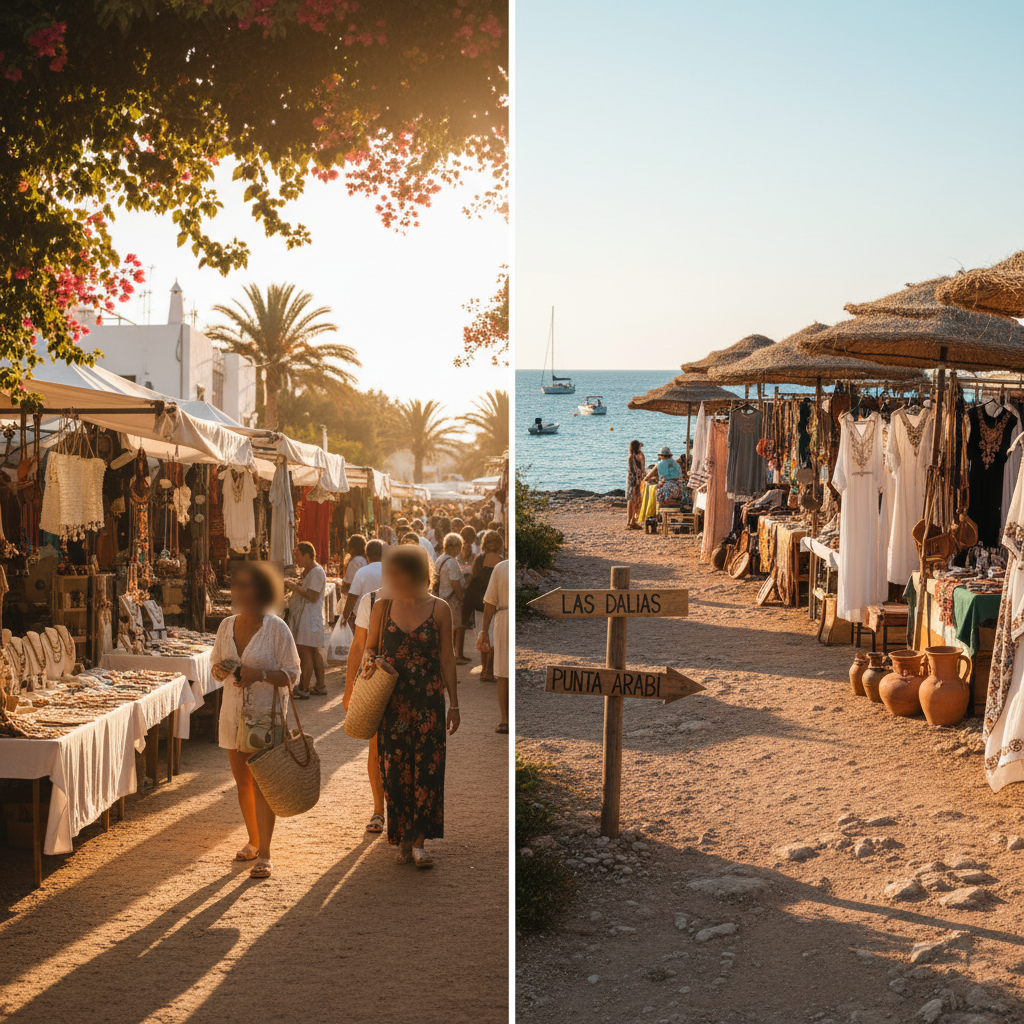
The famous hippie markets, particularly Las Dalias in Sant Carles and Punta Arabí in Es Canar, are natural magnets for artisan leather. However, discerning the truly handcrafted from the mass-produced requires a keen eye. While both markets offer a plethora of leather goods, from belts and wallets to intricately designed bags, certain stalls stand out for their commitment to traditional techniques and unique designs.
At Las Dalias, held every Saturday (and several evening markets in summer), look for smaller, less flashy stalls. Often, the craftsperson is literally sitting behind the counter, working on their latest piece. You’ll find unique interpretations of classic designs, often incorporating natural elements like shells, carved wood, or semi-precious stones. Prices for a quality, handmade leather bag might range from €150-€400, while belts can be found for €40-€80. When considering sandals, engage with the vendor. Ask about the leather source – genuine Spanish or Italian veg-tanned leather is a good sign. Look for hand-stitched detailing over machine stitching, and substantial sole construction. Some artisans even offer custom-sizing on the spot, indicating a true craft focus.
Punta Arabí, the older and larger market (held Wednesdays from April to October), also has its gems. Because of its sheer size, you'll need to wander more extensively. Seek out the small workshops located within the market itself, often shaded by pine trees. Here, you might stumble upon craftsmen specializing in avant-garde leather pieces, or those who create bespoke sandals after tracing your foot directly. It's a more eclectic mix, and the thrill of the hunt adds to the experience. Don't be afraid to politely haggle a little, especially if you’re buying multiple items, but always respect the artisan’s skill. This is not the place for cut-price factory goods. For a broader exploration of the island's unique markets, check out our guide to /shopping.
Beyond the Markets: Independent Artisans and Boutiques
While the markets offer a great entry point, some of the most exquisite leather finds are hidden in independent workshops and boutiques across the island. These are often quieter havens where the focus is entirely on the craft.
La Sirena Leather: While La Sirena is a well-known chain of department stores across Ibiza, their dedicated leather goods sections in larger stores (e.g., in Ibiza Town or Santa Eulària) often stock a selection from smaller Ibizan producers alongside international brands. It’s a good place to compare quality and pricing, but for bespoke items, look elsewhere.
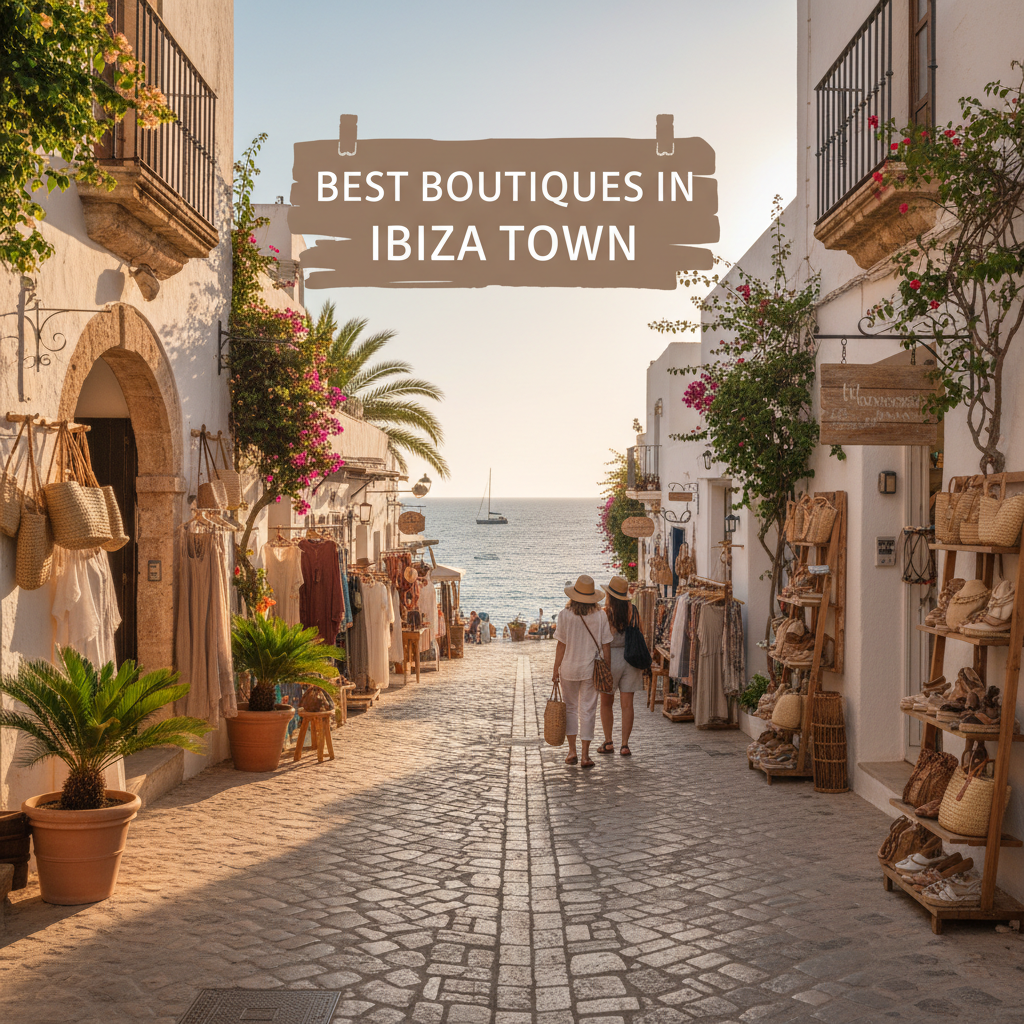
Boutiques in Dalt Vila (Ibiza Town): The winding, cobbled streets of Dalt Vila, the old walled city, are home to numerous small, high-end boutiques. Keep an eye out for shops specializing in "diseño ibicenco" (Ibizan design). While many focus on fashion, some carry exclusive lines of handmade leather bags, wallets, and custom sandals. These are often minimalist, chic designs that reflect the island's luxury aesthetic. Expect premium prices here, reflecting the exclusivity and prime location. Think €200+ for a meticulously crafted leather clutch, and sandals starting from €150. Many of these boutiques operate seasonally, roughly May to October, with reduced hours during the shoulder months. It's worth a stroll through Dalt Vila for the ambiance alone, and the chance to discover a unique leather piece. Our /culture-history hub has more on exploring Dalt Vila.
Sant Antoni de Portmany's Hidden Gems: Away from the main party strip, Sant Antoni still retains pockets of authentic craft. Explore the back streets near the church or the area leading towards Caló des Moro. You might find a small "zapatería" (shoe shop) that still does repairs and offers custom sandal creation. These are rare finds, often family-run, and offer a glimpse into Ibizan life before mass tourism.
Understanding Quality: What to Look For in Ibizan Leather
Not all leather is created equal, and discerning a quality Ibizan leather product is crucial for a purchase that truly lasts.
- Full-Grain Leather: This is the highest quality leather, retaining the natural grain and imperfections of the hide. It's durable, develops a beautiful patina over time, and feels substantial. Most genuine artisan pieces will use full-grain or top-grain leather.
- Vegetable-Tanned vs. Chrome-Tanned: Traditional Ibizan leatherwork often utilizes vegetable-tanned leather, which uses natural tannins from bark and plants. It’s more environmentally friendly, smells rich and earthy (not chemical), and ages gracefully. Chrome-tanned leather (more common in mass production) is softer initially but doesn't develop the same character. Ask the artisan about their tanning methods.
- Stitching: Hand-stitched items, often using a saddle stitch, are far more durable than machine-stitched. Look for even, tight, and robust stitching. On sandals, check how the sole is attached – traditional methods often involve stitching through the layers rather than just gluing.
- Hardware: For bags and belts, examine buckles, clasps, and zippers. Solid brass or stainless steel will last, while flimsy, coated metals will quickly tarnish and break.
- Sole Construction (for sandals): A good quality sandal will have a sturdy sole. Look for multiple layers, often cork and rubber, for comfort and durability. The insoles should ideally be leather too, providing breathability.
- The Smell Test: Genuine leather has a distinct, rich, organic smell. If it smells plasticky or strongly chemical, it’s likely not real leather or is of inferior quality.
Custom Creations: Your Own Piece of Ibiza
One of the most rewarding aspects of Ibizan leather shopping, especially for sandals, is the possibility of a custom order. Several artisans, particularly those found at Es Alpargatero in Sant Rafel or some of the more dedicated stalls at Las Dalias, offer this service.
The process usually involves:
- Foot Tracing: Your foot is traced directly onto paper or card, capturing its unique shape.
- Leather Selection: You choose the type and color of leather (e.g., natural, dark brown, black, sometimes vibrant reds or blues).
- Strap Design: You select your preferred strap style – classic cross-over, toe-loop, gladiatorial, or something uniquely customized. Some might offer different buckle styles.
- Sole Choice: Options for sole thickness and material might be available.
- Fitting and Adjustments: A preliminary fitting might occur, or you might return for final adjustments once the sandal is substantially built.
The lead time can vary from a few hours (for very simple adjustments to an existing design) to a few days or even a week for a truly bespoke item, especially during peak season (June-August). This means planning ahead in your trip. A truly custom pair of leather sandals, perfectly fitted and designed to your specifications, will likely cost between €100-€200, representing real value for a unique, handmade item. It's an investment in a tangible memory of your time on the island – a piece of Ibiza you can literally walk away with.
Care for Your Ibizan Leather: Making it Last
Investing in quality Ibizan leather means wanting it to last. Here's how to care for your treasures:
- Clean Regularly: For sandals, wipe down leather with a damp (not wet) cloth after wearing, especially if exposed to sand or saltwater. For bags, a soft, dry cloth is usually sufficient for daily dusting.
- Conditioning: Leather can dry out. Use a good quality leather conditioner or cream (available at most shoe repair shops or online) every few months, particularly for items used frequently. This keeps the leather supple and prevents cracking.
- Protection: For leather sandals, especially the soles, consider having a cobbler add a thin rubber protective layer to the bottom for extended wear. Avoid prolonged exposure to harsh sun or rain, which can dry out or stain the leather.
- Storage: Store leather items in a cool, dry place, away from direct sunlight. For bags, stuff them with tissue paper to maintain their shape. For sandals, keep them in a shoe bag to prevent scuffs.
- Saltwater and Sand: While your sandals are for the beach, excessive exposure to salt water can be very drying to leather. Rinse off salt and sand as soon as possible with fresh water and dry thoroughly away from direct heat.
Beyond Sandals: Leather Bags, Belts, and Accessories
While sandals often take center stage in the Ibizan leather narrative, the island's artisans produce a much wider array of goods. Leather bags range from elegant clutches perfect for an evening out in Marina Botafoch to rugged, oversized totes ideal for lugging beach essentials to Cala Comte. These bags often feature unique embellishments like hand-hammered metal, fringing, or intricate woven details, reflecting a blend of traditional craftsmanship and bohemian flair.
Belts are another popular item, often made from thick, sturdy leather and featuring substantial buckles. A quality leather belt from an Ibizan artisan can be a fantastic souvenir, offering a touch of the island's rustic style to your everyday wardrobe. Wallets, keychains, and even small leather-bound journals can also be found, making for thoughtful gifts or personal keepsakes. The prices for these items are varied; a simple leather wallet might be €50-€100, while a larger, intricate bag could easily go for €300-€700. Keep an eye out for these in the smaller boutiques in Santa Eulària des Riu or even around the port area of Ibiza Town. For more details on exploring different areas of the island, see our /villages-towns guide.
The Future of Ibizan Leather: Sustainability and Innovation
The artisanal leather scene in Ibiza is not just about preserving the past; it’s also evolving. Increasingly, artisans are focusing on sustainable practices. This includes sourcing leather from ethical suppliers, utilizing vegetable tanning processes to minimize environmental impact, and creating products designed for durability and longevity, countering the fast-fashion trend. Some younger designers are also incorporating innovative designs, blending traditional Ibizan elements with contemporary aesthetics, ensuring that the craft remains relevant and vibrant for future generations of islanders and visitors alike. So when you purchase an artisan leather item here, you're not just buying a product; you’re supporting a legacy, a culture, and a commitment to quality that transcends mere fashion.
Discovering Your Perfect Piece
The search for your ideal piece of Ibizan leatherwork is part of the adventure. It embodies the spirit of discovery that makes Ibiza so special. Instead of rushing specific shops, allow yourself to wander through the markets, explore the narrow streets of Dalt Vila, or take a scenic drive to Sant Rafel. Engage with the artisans, learn about their craft, and appreciate the time and skill poured into each item. The most cherished souvenirs are often those with a story, and an artisan leather piece from Ibiza will undoubtedly carry a tale of timeless beauty and enduring craftsmanship.