Dalt Vila: A Walking Guide to UNESCO Old Ibiza
Everything you need to know about dalt vila: a walking guide to unesco old ibiza in Ibiza — practical info, local tips and where to go next.
Unlocking the Gates: Your Dalt Vila Odyssey Begins
Stepping into Dalt Vila, the ‘High Town’ of Ibiza, isn't just visiting a historical site; it's a journey back through millennia, each cobblestone underfoot whispering tales of Phoenician traders, Roman legions, Moorish sultans, and Catalan conquerors. This isn't your typical Ibiza party scene, nor is it merely a quaint village. Dalt Vila is the pulsating heart of Ibiza's identity, an impeccably preserved UNESCO World Heritage site that demands – and rewards – exploration on foot. Forget the club bangers; here, the soundtrack is the distant clang of a church bell, the murmur of discovery, and the occasional whir of a scooter valiantly navigating ancient inclines. Our odyssey begins at the monumental Portal de ses Taules, the main gateway, urging you to leave the modern world, and perhaps even your sensible footwear, behind.
The Grand Entrance: Portal de ses Taules and the Ramparts' Embrace
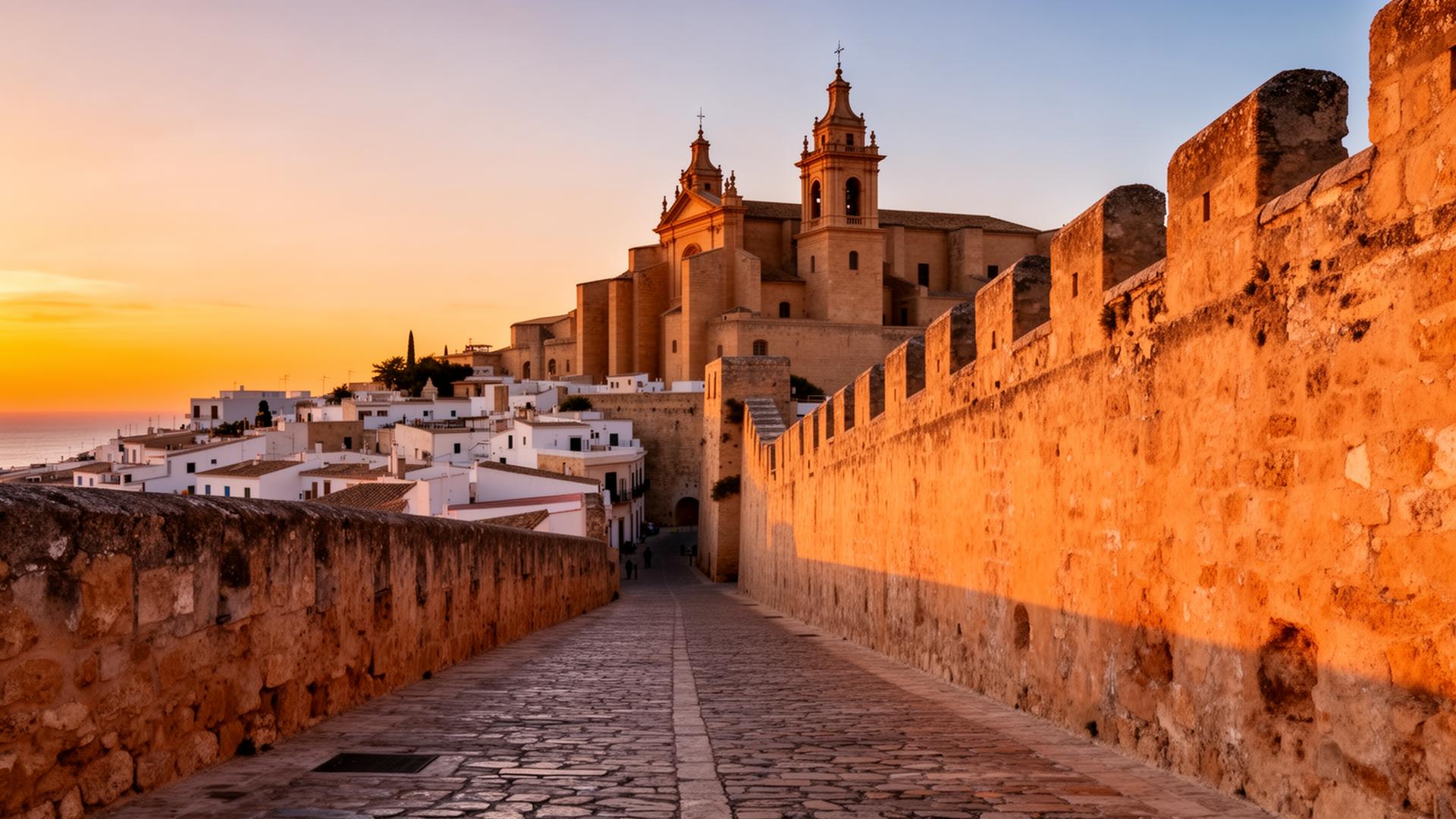
Your Dalt Vila experience, for most, commences at the imposing Portal de ses Taules, a grand stone gate flanked by two Roman statues – watchmen from a bygone era. Don't rush through; pause here. Admire the heavy wooden doors, still bearing the marks of centuries. Beyond the arch, you'll find the Pati d'armes, a sheltered courtyard that once served as a bustling market square. Today, it’s often a quiet prelude to the labyrinth above, save for the occasional craft market in summer (typically Tuesday and Friday evenings, from 7 PM to midnight, June to September). From here, the ascent truly begins, winding upwards through narrow streets, almost immediately enveloped by the towering Renaissance walls. These fortifications, constructed between the 16th and 17th centuries under the watchful eye of Italian military engineers, are an engineering marvel. They weren't just for defense; they were a statement of power and prestige, a testament to Ibiza’s strategic importance in the Mediterranean. Walk along the Ronda de la Muralla, the path atop the walls, for unparalleled panoramic views that stretch from the glittering turquoise of Talamanca Bay to the salt flats of Las Salinas, and on clear days, even to the faint outline of Formentera. This perspective truly underscores why Dalt Vila was such a coveted prize throughout history. For practical access, several ramps and staircases connect the lower town (Puerto de Ibiza) to different points on the walls, but starting at Ses Taules offers the most dramatic introduction.
The Cathedral Quarter: A Spiritual Apex and Panoramic Delights
Ascending further, you'll inevitably reach the highest point of Dalt Vila: the Cathedral Quarter. Perched majestically at the summit is the Catedral de Nostra Senyora de les Neus (Cathedral of Our Lady of the Snows). This isn't just a church; it's a palimpsest of Ibiza's religious history. Built on the site of a former mosque, which itself replaced a Visigothic basilica, its architecture is a fascinating blend of Catalan Gothic (the nave) and Baroque (the bell tower and altar). While the interior is modest, its ancient crypt and the small museum are worth a quick visit (usually open Monday to Saturday, 10 AM to 1 PM and 4 PM to 7 PM; Sundays 11 AM to 1 PM; entry to the Cathedral itself is free, museum entry approx. €2).
More compelling than the interior, however, are the views from the Plaça de la Catedral. From this vantage point, the entire city of Ibiza unfurls below you, framed by the azure sea. It’s a perfect spot for photography, or simply to sit on a bench and absorb the timeless beauty. Adjacent to the Cathedral is the Museu d'Art Contemporani d'Eivissa (MACE), housed in the historic Sala de Armas. This museum offers a surprisingly vibrant collection of 20th and 21st-century art, often with an emphasis on local artists or themes related to the island, providing a modern counterpoint to the ancient surroundings. Check their schedule for temporary exhibitions; tickets are typically around €3-€5.
Meandering Through Millennia: Streets, Plazas, and Hidden Corners
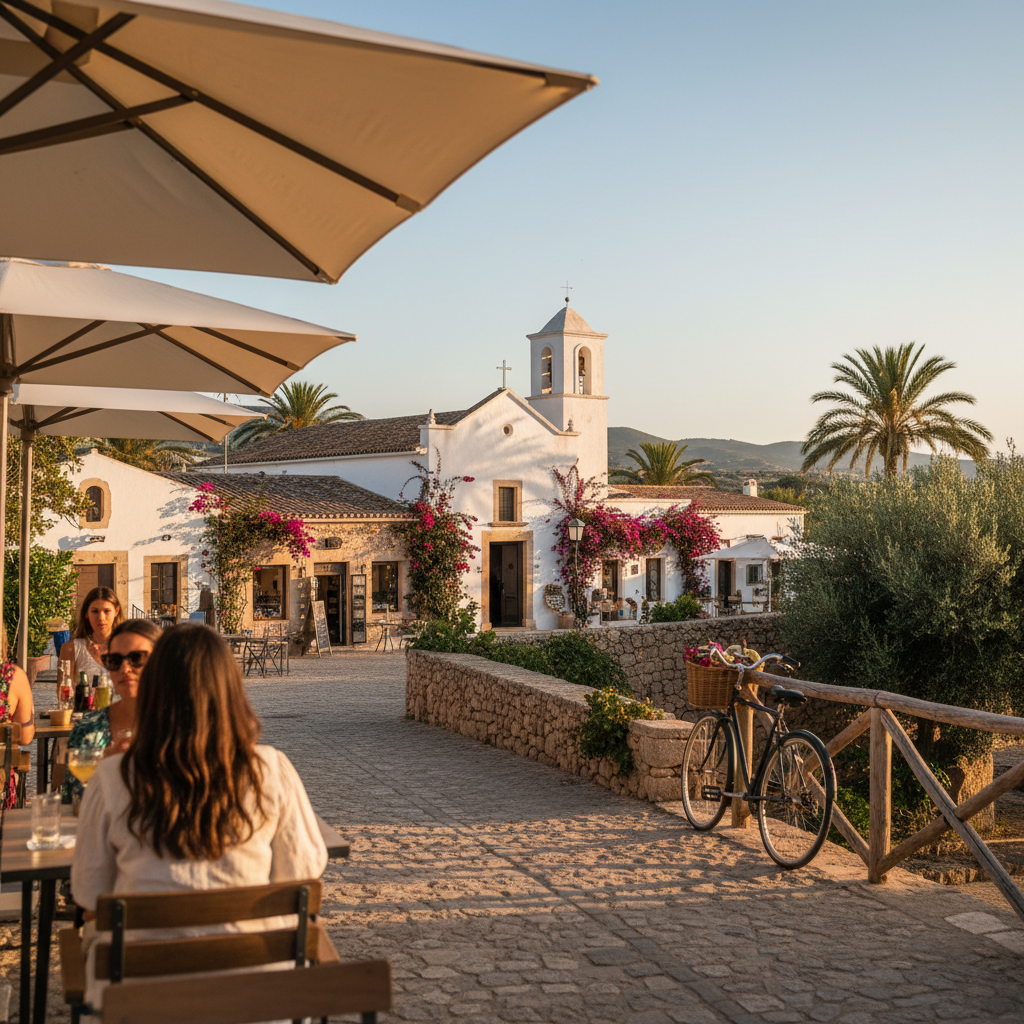
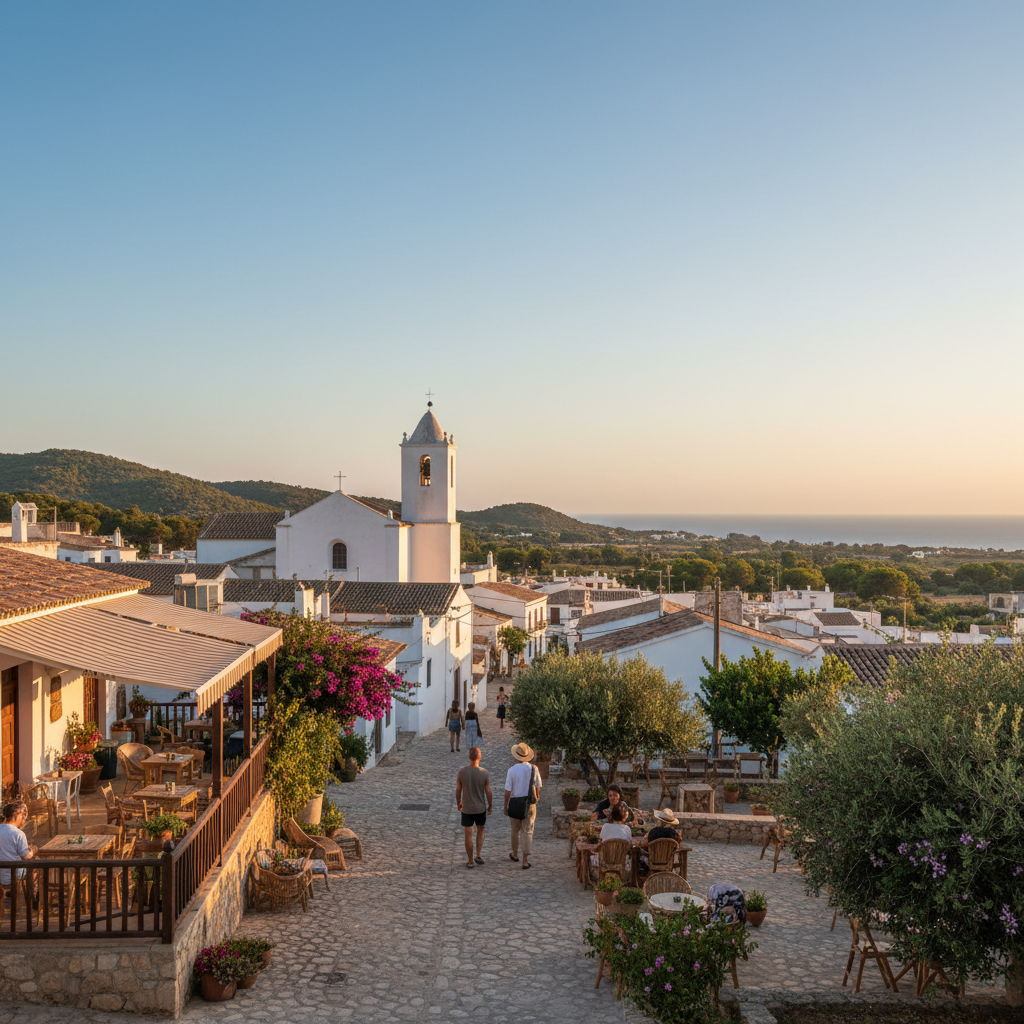
Beyond the main attractions, the true magic of Dalt Vila lies in getting lost – intentionally. The streets here aren't grids; they're organic pathways that have evolved over millennia. From the Plaça de Vila, a charming hub lined with cafes and boutiques, wind your way upwards. Explore Carrer de Sant Josep, Carrer de Dalt, or Carrer sa Carrossa, each offering its own character. You'll stumble upon small, whitewashed houses adorned with vibrant bougainvillea, tiny art galleries showcasing local talent, and unexpected viewpoints.
Keep an eye out for the Casa de la Cúria, a beautiful 14th-century building that served as the courthouse for centuries and now houses an important archaeological museum chronicling Ibiza's early history (Museu Arqueològic d'Eivissa i Formentera – though this museum’s main exhibition is often located off-site at Puig des Molins, a smaller branch on Plaça de la Catedral focuses on Dalt Vila finds; tickets approx. €3-€4). Don't miss the Convent de Sant Cristòfol, a Carmelite convent with a peaceful courtyard that offers a rare moment of tranquility amidst the buzz, or the Capella de Sant Salvador, a tiny 18th-century chapel. Every turn reveals a new angle, a new vista, a new detail that anchors you deeper in the island's story. This is where patience is rewarded, where you discover your own personal Dalt Vila.
Culinary Crossroads: Dining with Ancient Views
After hours of exploring, your appetite will be as robust as Dalt Vila’s walls. Happily, the old town offers a diverse array of dining experiences, from casual tapas to sophisticated haute cuisine, often accompanied by breathtaking views.
For a quintessential Dalt Vila experience, reserve a table at La Oliva (Carrer de la Santa Creu, 2), a long-standing institution known for its romantic ambiance and modern Mediterranean menu, with mains in the €30-€50 range. Their terrace is perfect for people-watching on Plaça de Vila. Another excellent choice is El Olivo (Carrer de la Santa Creu, 5), right next door, offering a similar but distinct menu focusing on fresh, seasonal ingredients. For something a little more intimate and off the main drag, seek out Kyupiddo at Hotel Mirador de Dalt Vila (Plaça d'Espanya, 4), which boasts arguably the most spectacular panoramic views from its rooftop terrace, serving exquisite Japanese-Peruvian fusion (expect mains €40-€70, and booking weeks in advance is essential for prime tables, especially around sunset).
If you’re looking for a more casual bite, numerous smaller cafes and tapas bars dot the lower reaches of Dalt Vila, particularly around the Plaça de Vila. S'Escalinata (Carrer Portal Nou, 4), known for its colorful cushions spread on the steps, offers great cocktails, snacks, and a bohemian vibe – perfect for a mid-afternoon refreshment. Expect tapas dishes around €8-€15. For a quick, authentic pastry and coffee, pop into a local panadería near the Portal Nou entrance. Remember that many restaurants close for siesta, typically from 3 PM to 7 PM, so plan your meals accordingly.
Nightfall in the Fortress: Enchantment After Dusk
As the sun dips below the horizon, painting the sky in fiery hues, Dalt Vila undergoes a magical transformation. The golden hour casts a warm glow on the ancient stones, and as darkness descends, strategic lighting illuminates the ramparts, pathways, and cathedral, creating an atmosphere that is both dramatic and intimate. This is arguably the most enchanting time to experience Dalt Vila.
Many of the restaurants mentioned earlier become even more atmospheric, their terraces twinkling with candlelight. Strolling through the quiet, softly lit streets after dinner is a truly unforgettable experience. You’ll find small bars tucked away, like Dalt Vila Bar (Carrer de Sant Josep, 1), offering a relaxed setting for a nightcap. Keep an eye out for cultural events during the summer months – often, the Ayuntamiento (Town Hall) organizes free open-air concerts or theatrical performances within the walls, using the historic setting as a natural stage. Check the official Ibiza town cultural guide (available from tourist information offices or online) for schedules. The air cools, the crowds thin, and the millennia of history feel palpable.
Beyond the Walls: Connecting Dalt Vila to Wider Ibiza Town
While Dalt Vila is a world unto itself, it's intrinsically linked to the modern town of Ibiza. Once you descend, you're immediately in the vibrant port area, known locally as Ibiza Ciudad or Eivissa Vila.
From the Portal de ses Taules, you emerge onto the bustling Passeig de Vara de Rey, a grand boulevard lined with shops and cafes, leading down to the marina. This is an excellent starting point for exploring the modern town’s commercial and social heart. Just a short walk away is the neighborhood of Sa Penya, the old fisherman's quarter, known for its narrow, winding alleys that lead down to the water and are vibrant with bars and boutiques, especially after dark. For a deeper dive into modern Ibiza's unique character, don't miss an exploration of this area after your Dalt Vila visit. You'll find it offers a fascinating contrast, blending traditional architecture with contemporary flair.
For those interested in exploring beyond the immediate vicinity, buses to other parts of the island, including Playa d'en Bossa and Figueretas, depart frequently from the main bus station just a 10-15 minute walk from the base of Dalt Vila (/transport). If you're planning an island-wide adventure, knowing the bus routes or where to hail a taxi is incredibly useful.
Practicalities and Insider Tips for Your Dalt Vila Discovery
Footwear is Key: This cannot be stressed enough. Dalt Vila is all about walking, and often, it's up and down steep, uneven cobblestone streets. Leave the high heels at your hotel; comfortable, sturdy walking shoes with good grip are non-negotiable.
Hydration and Sun Protection: Especially during the summer months (June-September), the sun can be relentless. Carry a refillable water bottle (there are occasional fountains, but not consistently), wear a wide-brimmed hat, and apply high-factor sunscreen. The white stone reflects the light, amplifying the heat.
Best Times to Visit: Early morning (before 10 AM) or late afternoon/early evening (after 5 PM) are ideal. You'll avoid the midday heat and the largest tour groups. The light for photography is also exceptional during these times. Visiting in the shoulder seasons (May, early June, September, October) offers pleasant temperatures and fewer crowds.
Accessibility: While Dalt Vila is a pedestrian zone, its steep inclines and cobblestones make it challenging for those with mobility issues or strollers. There are some flat sections, particularly around the lower Plaça de Vila, but reaching the Cathedral requires significant ascent. A taxi can take you up to a certain point near the top, such as the Plaça d'Espanya, reducing the toughest climb, but some walking will always be involved.
Orientation: Pick up a free map of Dalt Vila from the tourist information office near the Portal de Ses Taules. While getting lost is part of the charm, referring to a map intermittently can help you hit key landmarks and avoid endlessly circling.
Embrace the Pace: Dalt Vila isn't a race. Allow yourself ample time – at least 3-4 hours for a focused walk, or an entire afternoon if you plan to visit museums, browse shops, and enjoy a meal. Rushing diminishes the experience; the beauty is in the details.
Interlinking History: Consider combining your Dalt Vila exploration with a visit to the Puig des Molins Necropolis and Archaeological Museum (/culture-history), located just a 10-minute walk outside the walls. This ancient Phoenician-Punic burial ground, another UNESCO site, offers a fascinating complement to Dalt Vila's fortified grandeur, revealing more layers of Ibiza's incredibly rich past. Alternatively, learn more about the diverse culinary scene in Ibiza by checking out our guide to /food-drink.
Ultimately, your Dalt Vila walking guide isn't just about ticking off historical boxes. It's an invitation to immerse yourself in the living history of Ibiza, to feel the echoes of centuries, and to appreciate the island's profound cultural depth, far removed from its contemporary reputation as a party paradise. Take your time, look up, look down, and listen – Dalt Vila has countless stories to tell.