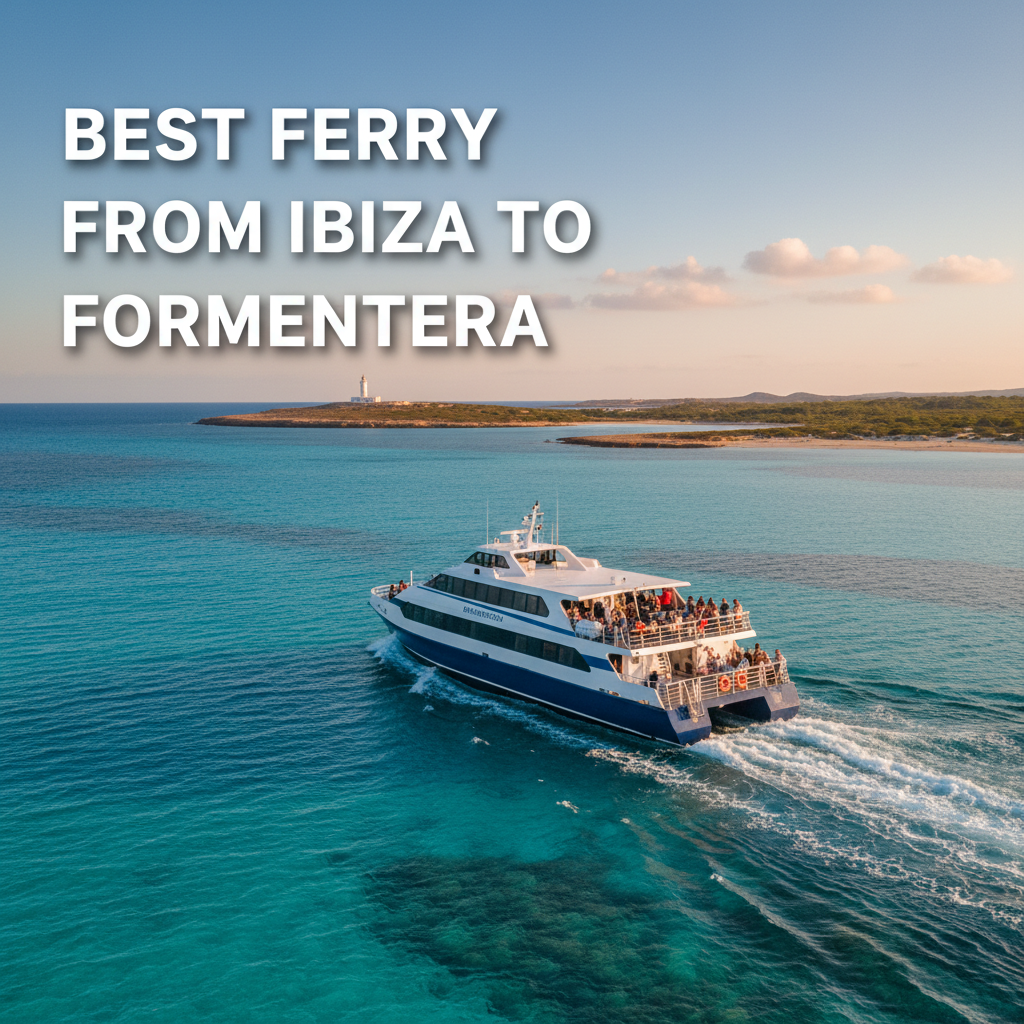
Best Ferry from Ibiza to Formentera
Everything you need to know about best ferry from ibiza to formentera in Ibiza — practical info, local tips and where to go next.
Decoding Your Formentera Ferry: The Ultimate Guide
So, you’ve decided to answer the siren call of Formentera’s turquoise waters and pearly sands. Excellent choice. But before you’re kicking back on Playa Illetes with a caña, there’s a crucial decision to make: which ferry to take? This isn't just about getting there; it's about the journey itself, your budget, your time, and even the vibe you’re after. Forget generic "find a ferry" advice; we're diving deep into the nuances of every major operator, helping you choose the perfect start to your idyllic island adventure.
The Operators: High-Speed vs. Standard
Broadly, your options for travel from Ibiza Town’s Estació Marítima (or sometimes Santa Eulalia or Playa d’en Bossa, which we’ll cover) to La Savina Port in Formentera fall into two camps: high-speed (fast ferries) and standard (conventional ferries). The price difference can be significant, as can the travel time and the on-board experience.
Balearia: The Dominant Force
Balearia is, without a doubt, the behemoth of the Ibiza-Formentera route. They operate multiple vessels, ranging from the lightning-fast ‘Formentera Express’ and ‘Nixe’ catamarans to slightly slower, larger conventional ferries like the ‘Passió per Formentera’.
- Vessels & Speed: Balearia’s fleet is diverse. The high-speed catamarans shave the journey down to a mere 25-30 minutes. These are sleek, modern, and often have panoramic windows. The conventional ferries take around 35-45 minutes. While slower, they tend to be more stable in choppier waters due to their larger size and often have more spacious outdoor decks for enjoying the sea breeze.
- Ticket Classes: You’ll typically find three classes on Balearia: Economy (standard seating), Economy Plus (often slightly better seats, sometimes with a small table), and occasionally First Class (premium seating, sometimes with complimentary drinks). For a 25-minute crossing, Economy is perfectly adequate for most. Expect a return Economy ticket to range from €45-€60 depending on the season and how far in advance you book. Economy Plus might add €5-€10 per leg.
- Schedule & Frequency: Balearia boasts the most comprehensive schedule, with departures roughly every 30 minutes during peak season (July-August) from early morning (around 06:30) until late evening (last ferry back from Formentera typically around 23:30, sometimes later). Off-season, frequency reduces to hourly or bi-hourly. Always check their official website for the most up-to-date timings; they are meticulous about their schedule, but small adjustments happen.
- On-board Amenities: High-speed ferries usually have a small snack bar selling coffee, soft drinks, and pre-packaged sandwiches. Conventional ferries may offer a slightly broader selection, sometimes with limited hot food. Wi-Fi is often advertised but can be patchy. Restrooms are standard.
- Car/Scooter Transport: This is where Balearia stands out. They are one of the few operators consistently offering vehicle transport on certain conventional ferries. Prices for a small car can start from €100-€150 return, plus driver and passenger fees. A scooter might cost €40-€70 return. Booking vehicle transport well in advance is absolutely critical, especially in peak season, as space is limited. If you plan to explore Formentera extensively by your own wheels, this might be your best (and often only) option.
- Departure Point: Primarily Ibiza Town (Estació Marítima). Some services during peak season may also depart from Playa d'en Bossa (Figueretas Jetty) or Santa Eulalia – these are usually special, higher-priced tourist services, not their main public lines. Always double-check your departure point on your ticket.
Mediterranea Pitiusa: The Reliable Alternative
Mediterranea Pitiusa often runs neck and neck with Balearia in terms of popularity, offering a very similar service profile.
- Vessels & Speed: Their fleet includes high-speed catamarans like the ‘Es Vedra’ and conventional ferries. Travel times are comparable to Balearia's: 25-30 minutes for high-speed, 35-40 minutes for conventional.
- Ticket Classes: Typically, a single class (Economy). Expect return tickets to be in the €45-€55 range, often slightly more competitive than Balearia during certain periods.
- Schedule & Frequency: They also offer a robust schedule, especially in high season, often complementing Balearia's timings. You’ll find departures every 30-60 minutes during the day.
- On-board Amenities: Similar to Balearia – snack bar, restrooms.
- Car/Scooter Transport: Mediterranea Pitiusa also offers vehicle transport, though perhaps with fewer slots than Balearia. Prices are generally comparable. Again, book early.
- Departure Point: Exclusively Ibiza Town (Estació Marítima).
Trasmapi: The Quiet Contender
Trasmapi is another key player, often operating code-shared routes with Mediterranea Pitiusa, meaning you might buy a ticket from one but end up on a vessel operated by the other. This isn't a problem, just something to be aware of.
- Vessels & Speed: High-speed catamarans and conventional ferries. Similar travel times (25-40 minutes).
- Ticket Classes: One primary class. Pricing is competitive, often aligning closely with Mediterranea Pitiusa, sometimes with promotional offers. Return tickets usually fall within the €45-€55 bracket.
- Schedule & Frequency: Strong schedule, particularly in summer, with regular departures.
- On-board Amenities: Standard ferry amenities: snack bar, WC.
- Car/Scooter Transport: Yes, Trasmapi facilitates vehicle transport.
- Departure Point: Ibiza Town (Estació Marítima).
Formentera Lines / Aquabus: The Budget-Friendly and Scenic Options
This group of operators sometimes gets lumped together or operates under slightly different branding. They tend to offer slower, more budget-conscious services, and crucially, often depart from other points on Ibiza besides the main port.
- Vessels & Speed: These are typically smaller, slower conventional ferries (often purpose-built for sightseeing) or even larger glass-bottom boats. Travel times can range from 45 minutes to over an hour, particularly if they make intermediate stops.
- Ticket Classes & Price: Usually a single, no-frills class. This is where you'll find the cheapest return tickets, sometimes as low as €30-€40, especially if you buy online in advance or from street vendors offering deals.
- Schedule & Frequency: Less frequent than the main operators, often running multiple times a day in peak season but only a few services off-season. They are more geared towards day-trippers.
- On-board Amenities: Basic – some might have a small bar, but don't expect much beyond toilets and seating. The draw here is often the open-air deck and more relaxed pace.
- Car/Scooter Transport: Generally not offered by these services. They are purely for foot passengers.
- Departure Points: This is their unique selling point. You'll find these ferries departing from Palma (west of Ibiza Town, convenient for those staying in Playa d'en Bossa/Figueretas), Figueretas, Santa Eulalia, Cala Llonga, and Es Canar. If you're staying outside Ibiza Town and want to avoid a taxi ride to the main port, these can be incredibly convenient. Consider the extra travel time, though. For example, a ferry from Santa Eulalia will add considerable time to your journey to Formentera, but removes the need for a separate bus or taxi to Ibiza Town.
Booking Your Ticket: Online, In Port, or Via Agent?
- Online (Recommended): Booking directly on the ferry operator's website (Balearia, Mediterranea Pitiusa, Trasmapi) is usually the best bet. You often get the best prices when booking in advance, especially for specific time slots. You’ll receive an e-ticket to show on your phone, saving time at the port. Prices are generally 10-20% lower online than at the ticket office.
- In Port: All major operators have kiosks at Estació Marítima in Ibiza Town. You can buy tickets on the day, but expect higher prices and potential queues, especially in summer. For popular morning departures, you might find full ferries.
- Hotel/Travel Agent: Many hotels, especially in the larger resorts, or local travel agents, will sell tickets. They might offer a slight discount off the walk-up price, or bundle it with a transfer to the port. Check the final price carefully against online options.
- Street Vendors: In areas like Playa d'en Bossa or Figueretas, you'll sometimes find individuals selling tickets for "special deals." Exercise caution. While many are legitimate, always verify they are for a reputable operator and that the departure point/time is clear.
The Journey to the Port: Ibiza Town
The main ferry terminal on Ibiza is Estació Marítima (also known as Botafoch Port or Formentera Ferry Terminal) in Ibiza Town.
- Walking: If you're staying in Ibiza Town itself, particularly around the Dalt Vila or La Marina areas, the port is easily walkable (10-20 minutes).
- Taxi: Taxis are plentiful across Ibiza. A ride from Playa d'en Bossa to the port might cost €15-€20. From San Antonio, expect €30-€40.
- Bus: Local buses are generally reliable and much cheaper. The L10 bus route connects Ibiza Airport, Playa d'en Bossa, Figueretas, and Ibiza Town's main bus terminal, which is a short walk (10 minutes) from the ferry terminal. Check EivissaBus schedules.
- Parking: If driving your own vehicle, parking around the port can be challenging and expensive. There are paid underground car parks, but consider the hassle. If you're taking your car to Formentera, you'll drive it directly onto the ferry at the designated loading point.
Arriving in Formentera: La Savina
All public ferries arrive at La Savina Port in Formentera, the only entry point to the island. Here's what to expect:
- Scooter/Bike Hire: As you disembark, you’ll be swarmed by rental agents. Book your scooter or e-bike in advance online (highly recommended, especially for July/August) to secure availability and often a better rate. Popular rental companies like La Savina Rent a Car or Moto Rent Pujols have offices right at the port. Expect scooter hire (125cc) to be €35-€60 per day in peak season; an e-bike around €20-€30. Check out our /articles/renting-a-scooter-in-formentera guide for more in-depth advice.
- Car Hire: Less common for a day trip due to cost and restricted parking on Formentera, but available. Prices start from €50-€100 per day.
- Bus: Formentera has an efficient bus service. Routes L1 and L2 connect La Savina to major towns like Sant Francesc Xavier, Sant Ferran, Es Pujols, and to beaches like Illetes and Migjorn. A single ticket is a few euros. This is a very cost-effective way to get around if you don’t want to rent. Check Transport Public de Formentera for schedules.
- Taxis: Available at a designated rank at the port, but limited in number.
- Walking: While you can walk around La Savina itself (it’s a charming port town with shops, restaurants like Capi, and bars), you realistically can’t walk to any major beaches or attractions from here.
Picking Your Peak Time: Morning Rush, Midday Calm, or Sunset Return?
- Morning Rush (08:00-10:00 departures from Ibiza): These are the most popular ferries, getting you to Formentera early to maximize beach time. Expect more crowds, especially in summer.
- Midday Calm (11:00-14:00 departures): Still busy, but often a slightly less frenetic experience than the very first ferries. Gives you a relaxed start to the day.
- Afternoon (15:00 onwards): If you're planning a shorter trip or just want to catch the sunset, these are good options.
- Evening Return (18:00 onwards from Formentera): Again, a popular time for day-trippers heading back. The last ferries can be quite full. Consider a slightly earlier return (17:00-18:00) to avoid any last-minute stress, especially if you have a connecting flight or dinner reservation.
Insider Tips for a Seamless Crossing
- Book Vehicle Transport WELL in Advance: This cannot be stressed enough. If you’re bringing a car or scooter, reserve your spot weeks, if not months, ahead, especially for July/August travel. Without a pre-booked ticket, you'll likely be turned away at the port. Most regular visitors to Formentera choose to rent wheels upon arrival.
- Flexible Tickets: Some operators offer 'open' return tickets, meaning you can take any ferry back with the same operator on the same day. This is great for spontaneity but check if there's a price premium. Confirmed time slots offer peace of mind during peak periods.
- Beware of Weather: While generally calm, strong westerly winds (poniente) or southerly winds (lebeche) can sometimes make sea conditions choppy, particularly for smaller, high-speed catamarans. If you’re prone to seasickness, consider a larger, conventional ferry, and take medication before you board. Cancellations due to extreme weather are rare but can happen. Always check official ferry websites for real-time updates.
- Security Check: Expect airport-style security bag checks at the ferry terminal, especially for larger bags. This adds a few minutes to the boarding process.
- Food & Drink: While there are snack bars, bringing your own water and a small snack can be more economical and ensures you get what you like. On Formentera, prices for food and drinks, particularly near popular beaches like Illetes, can be significantly higher than in Ibiza.
- Sunscreen & Hat: Obvious, but important. The reflective glare off the sea can be intense. Apply sunscreen before you even leave Ibiza.
- Consider a Multi-Operator Day Pass (if departing from smaller ports): If you're staying in Santa Eulalia or Playa d'en Bossa, some smaller tour operators offer ferry packages that include hotel pickup and return ferry tickets to Formentera. These are often value for money if you want everything handled, but they are generally slower services.
Final Recommendation: The Best Ferry for YOU
There's no single "best" ferry; it depends on your priorities:
- For Speed & Frequency (without a vehicle): Go with Balearia or Mediterranea Pitiusa high-speed options. Book online in advance for the best price.
- For Bringing a Vehicle: Balearia is generally your most reliable bet, followed by Mediterranea Pitiusa or Trasmapi. Book very far in advance.
- For Budget & Convenience (if staying outside Ibiza Town): Consider the Aquabus/Formentera Lines style budget ferries departing from Playa d'en Bossa, Figueretas, or Santa Eulalia. Accept the longer travel time.
- For a Relaxed, Scenic Journey (no vehicle): A conventional ferry, particularly one with ample outdoor deck space (like some of Balearia's larger vessels or the slower tourist boats), offers a more traditional sea voyage.
Whichever you choose, the short crossing to Formentera is merely the prelude to an unforgettable day (or longer!) of pristine beaches, delicious Mediterranean food, and that unparalleled, laid-back island vibe. Bon voyage!
Relevant interlinks:
- /articles/renting-a-scooter-in-formentera
- /hubs/formentera
- /practical-tips
- /beaches