Payés Cuisine: Eating at Ibiza's Farmhouses
Everything you need to know about payés cuisine: eating at ibiza's farmhouses in Ibiza — practical info, local tips and where to go next.
The Soul of Ibiza on a Plate: A Journey into Payés Farm-to-Table Dining
Ibiza, for all its glittering superclubs and sun-drenched beaches, holds a deeply rooted culinary tradition that often gets overshadowed: cocina payesa, or "farmer's cuisine." This isn't just a style of cooking; it's a philosophy, a way of life intrinsically tied to the island's fertile red earth and the rhythm of generations. For visitors looking to peel back the layers of Ibiza's glamorous façade and taste its authentic heart, the island's agroturismos and rural restaurants offering payés cuisine are an essential pilgrimage. Forget the €30 cocktails and instant gratification of beach clubs; here, the experience is slow, deliberate, and profoundly rewarding. You're not just eating a meal; you're participating in a living history, a direct connection to Ibiza's agricultural heritage.
The term payés (or pagesa for the female form) literally means "peasant" or "farmer," and while the word might conjure rustic simplicity, the food itself is anything but simplistic. It’s born of necessity, resourcefulness, and a profound respect for ingredients. Each dish tells a story of the land, the sea, and the hard work of those who nurtured them. The farmhouses themselves, often centuries old, built with thick stone walls and juniper beams, are characterful bastions of this heritage, transformed into welcoming culinary havens. This article delves deep into this unique aspect of Ibiza’s food scene, guiding you to experience the true essence of the island's table.
Understanding Cocina Payesa: More Than Rustic, It's Resourceful
Before diving into specific recommendations, it’s crucial to grasp the principles underpinning cocina payesa. This isn’t a fleeting trend of "farm-to-table" marketing; it’s an ancestral practice. Historically, islanders relied almost exclusively on what they could grow, raise, or catch. This meant everything was seasonal, locally sourced by default, and nothing went to waste.
Key characteristics you'll encounter include:
- Seasonal Produce: The cornerstone. Tomatoes, peppers, aubergines, courgettes, figs, oranges, almonds – these form the backbone of many dishes, picked at their peak. Don't expect strawberries in December; embrace the bounty of the moment.
- Locally Raised Meats: Primarily pork, often cured into sobrassada or butifarró, and lamb. Chicken and rabbit are also common, usually free-ranging.
- Fresh Seafood: While the farms are inland, the sea is never far. Fish like rotja (scorpionfish), gall de Sant Pere (John Dory), and freshly caught prawns make their way to the payés table, often prepared simply to let their natural flavour shine.
- Herbs and Wild Flora: Rosemary, thyme, fennel, carob, and wild asparagus are gathered from the campo (countryside), adding distinctive aromas and flavours.
- Olive Oil: The lifeblood of Mediterranean cooking, produced on the island.
- Simple Techniques, Complex Flavors: Long, slow cooking methods, stews, roasts, and grilling over wood fires are common, coaxing maximum flavor from humble ingredients.
- No Waste Philosophy: Every part of an animal or plant is utilized. Lard, often rendered from pork, was historically and still is a vital cooking fat.
The result is food that is hearty, comforting, and intensely flavourful – a true taste of Ibiza’s rugged agricultural past distilled onto your plate.
The Payés Pantry: Essential Dishes to Seek Out
When you sit down at an agroturismo or a dedicated payés restaurant, you’ll encounter a menu laden with traditional dishes. Here are some non-negotiables to try, often prepared with family recipes passed down orally for generations:
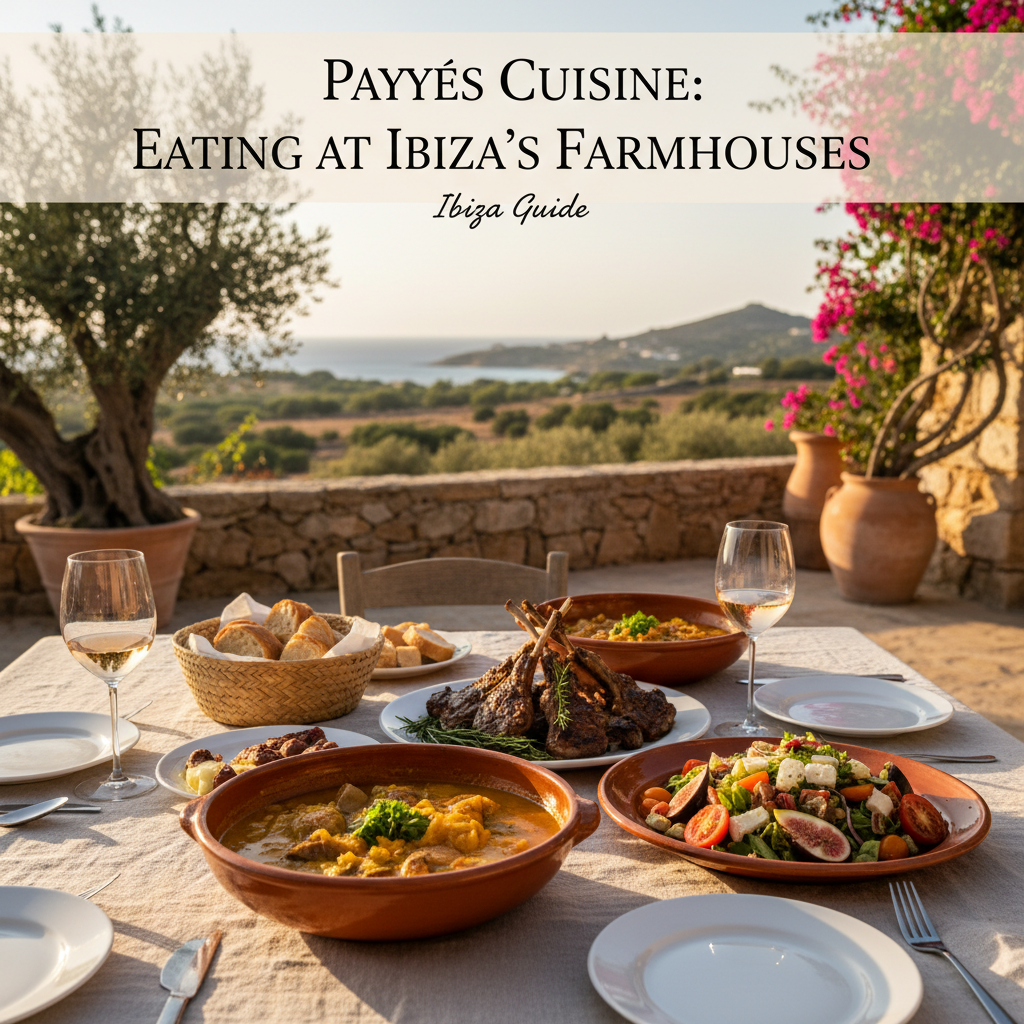
- Sofrit Pagès: This is arguably the most iconic Ibizan dish, reserved for special occasions due to its richness. It’s a magnificent, decadent stew of various meats – chicken, lamb, sobrassada, and botifarró (a type of Ibizan blood sausage) – with potatoes, garlic, and wild herbs. It's slow-cooked to perfection, creating a deeply savoury, comforting dish. Expect this to be a main course, and a substantial one at that.
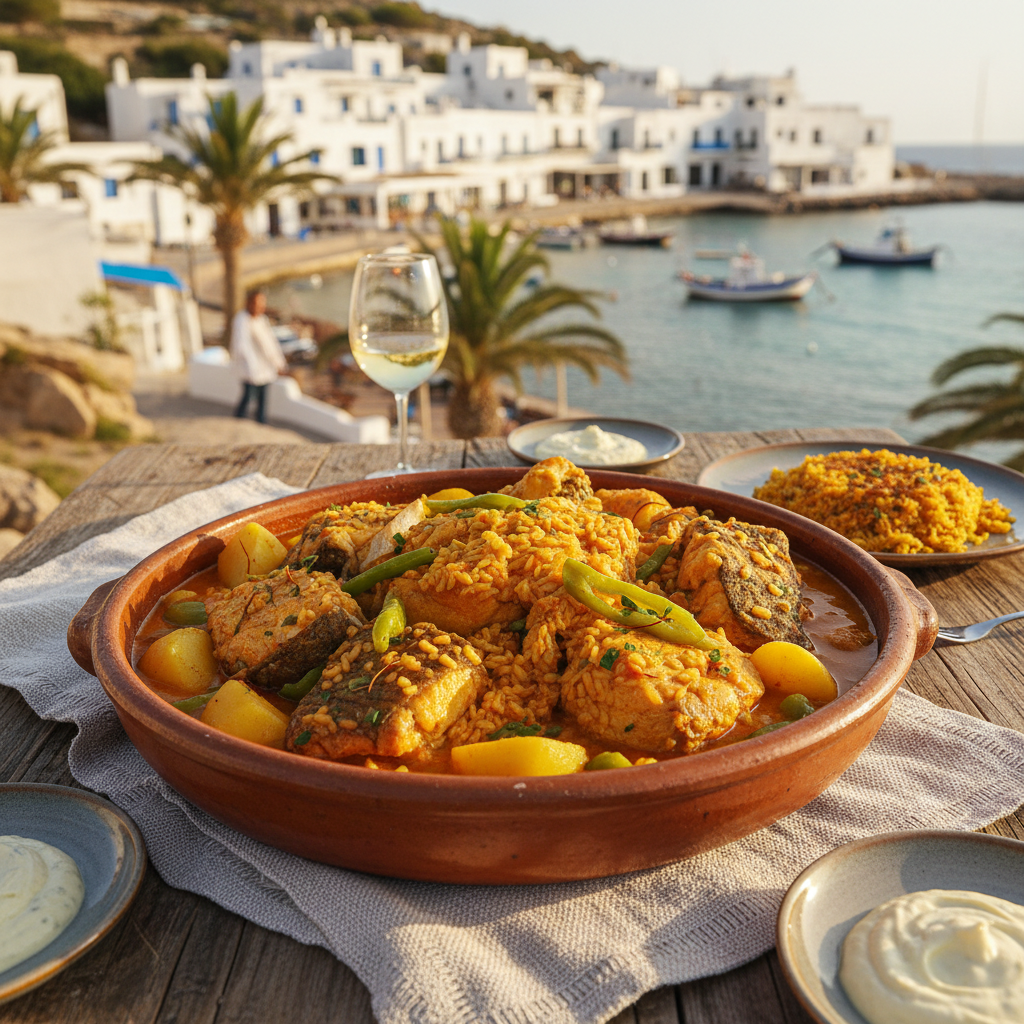
- Bullit de Peix i Arroz a Banda: A masterclass in seafood preparation. First, a selection of local rockfish (like rotja or mero) is gently boiled with potatoes and vegetables in a rich broth, served simply with a local garlic mayonnaise called allioli. The leftover, intensely flavorful fish broth is then used to cook a separate pan of arroz a banda – a sticky, saffron-hued rice dish, often baked until slightly crispy at the bottom (socarrat). This two-course meal is a revelation for seafood lovers. You'll find it more commonly near coastal areas or in restaurants with a strong fishing heritage, but many agroturismos also offer it, sourcing fish fresh from Santa Eulàlia or Ibiza Town's mercat del peix.
- Arroz de Matanzas: Another celebratory rice dish, directly translated as "slaughter rice." Historically made after the pig slaughter (matanza) in winter, it’s a robust, incredibly flavourful rice cooked with pork, chicken, sobrassada, butifarró, and mushrooms (often wild ones gathered in the autumn). It’s a taste of rugged rural life.
- Frita de Pulpo / Frita de Cerdo: Literally "fried octopus" or "fried pork." These are simple but addictive dishes where the main ingredient is pan-fried with potatoes, peppers, onions, and garlic. The "frita" style refers to the frying process that crisps the components and melds the flavours.
- Estofat de Peix: A hearty fish stew, often made with white fish, potatoes, and plenty of saffron. Perfect for a cooler evening.
- Salmorra de Peix: A lighter, tangier fish stew, often with a hint of vinegar and red pepper.
- Bunyols: Sweet fritters, typically made with flour, eggs, and an aniseed liquor, often enjoyed with honey. A delightful, simple dessert.
- Greixonera: A delectable bread pudding, a clever way to use up stale bread, often flavoured with cinnamon and lemon zest. It’s comforting and deeply traditional.
- Flaó: The most famous Ibizan dessert, a circular cheesecake made with fresh cheese (often sheep's or goat's), eggs, and a distinct hint of mint and aniseed liquor. It's a must-try.
- Hierbas Ibicencas: While not a food, this traditional digestif is an essential part of a payés meal. A potent herbal liqueur, unique to Ibiza, made from a blend of wild herbs and botanicals steeped in aniseed alcohol. Each family, and each restaurant, often has its own secret recipe. Sip it slowly after your meal.
Navigating the Agroturismos: Where to Find True Payés Flavours
The most authentic payés dining experiences are often found within Ibiza's network of agroturismos. These are working farms, or renovated farmhouses, that offer accommodation and, crucially, open their kitchens to guests and the public. They adhere to a philosophy of self-sufficiency, often growing their own produce, raising their own animals, and cooking with methods passed down through generations.
When selecting an agroturismo for a meal, consider these factors:
- Reservations are Essential: Especially during peak season (June-September), and for dinner, some popular places book out weeks in advance. Call ahead.
- Pricing: Expect to pay more than a casual tapas bar, but less than a high-end beach club. A main course could range from €25-€45, with multi-course meals or bullit de peix perhaps €50-€70 per person (drinks extra).
- Atmosphere: These are typically quiet, romantic, and steeped in authentic Ibizan charm. Dress is smart-casual.
- Location: They are almost always located in rural areas (the "campo"), so a car is usually necessary. Embrace the drive through winding country roads.
Here are some standout examples, though many smaller, family-run establishments exist that are equally charming if you’re willing to explore:
- Can Curreu, San Carlos: Located just outside the charming village of Santa Gertrudis, Can Curreu Agroturismo is an exquisite example of elevated payés cuisine. Their restaurant, open daily for lunch and dinner, prides itself on using ingredients from its own organic garden and local suppliers. Look for their seasonal tasting menus that beautifully showcase Ibizan produce. Their bullit de peix is legendary, meticulously prepared. Expect a serene, elegant setting amidst orange groves. A three-course dinner with wine could easily run €80-€100 per person here. Find them on camino de Sant Carles, Km 12, 07850 Sant Carles de Peralta.
- Atzaró Agroturismo, San Lorenzo: While Atzaró is famed for its luxurious spa and bohemian-chic vibe, its flagship restaurant, La Veranda, offers a sophisticated take on traditional Ibizan and Mediterranean dishes. They grow much of their own produce in spectacular gardens. While not exclusively payés, their approach to fresh, seasonal, local ingredients aligns perfectly. Their arroz a banda from the chef’s recommendation is a delight. Dinner for two with a bottle of wine will hover around €120-€160. Located on the carretera Sant Joan, Km 15, 07840 Sant Llorenç de Balàfia.
- Sa Capella, San Antonio Abad: While not an agroturismo, this restaurant housed in a stunning 16th-century former chapel near San Antonio offers a unique and atmospheric setting for robust Ibizan cooking. They specialize in grilled meats and traditional dishes, with their sofrit pagès being a standout. It's very popular with locals and tourists alike, so book well in advance, especially for evening dining. Main courses here are generous, typically €30-€45. Situated on the carretera de Santa Agnès, 07820 Sant Antoni de Portmany.
- Can Costa, Santa Gertrudis: For a more rustic, genuinely down-to-earth experience, head to Can Costa in the heart of Santa Gertrudis village. This típic restaurant has been serving authentic Ibizan fare for decades. Expect generous portions of sofrit pagès or straightforward, delicious grilled meats. It's less formal than some agroturismos, but the food is honest and truly traditional. A hearty meal here will be more in the €35-€50 range per person. Find them on Carrer Venda de Parada, 2, 07814 Santa Gertrudis de Fruitera.
- Can Jordi Blues Station, San José: More than just a restaurant, Can Jordi is an institution – a roadside bar with live music, especially blues (check their schedule, often live bands Saturday evenings). It's a casual, authentic spot where you can grab a simple, tasty payés snack or light meal, like pan con tomate with jamón serrano or a simple tortilla, often made with local eggs. It’s a great stop for a taste of local life and a cold beer after exploring the countryside. It's very budget-friendly, think €10-€20 for a substantial snack and drink. Located on Ctra. Sant Josep, Km 7, 07830 Sant Josep de sa Talaia.
Beyond the Plate: Immersive Experiences and Local Knowledge
Dining at these farmhouses isn't just about the food; it's about the entire sensory experience.
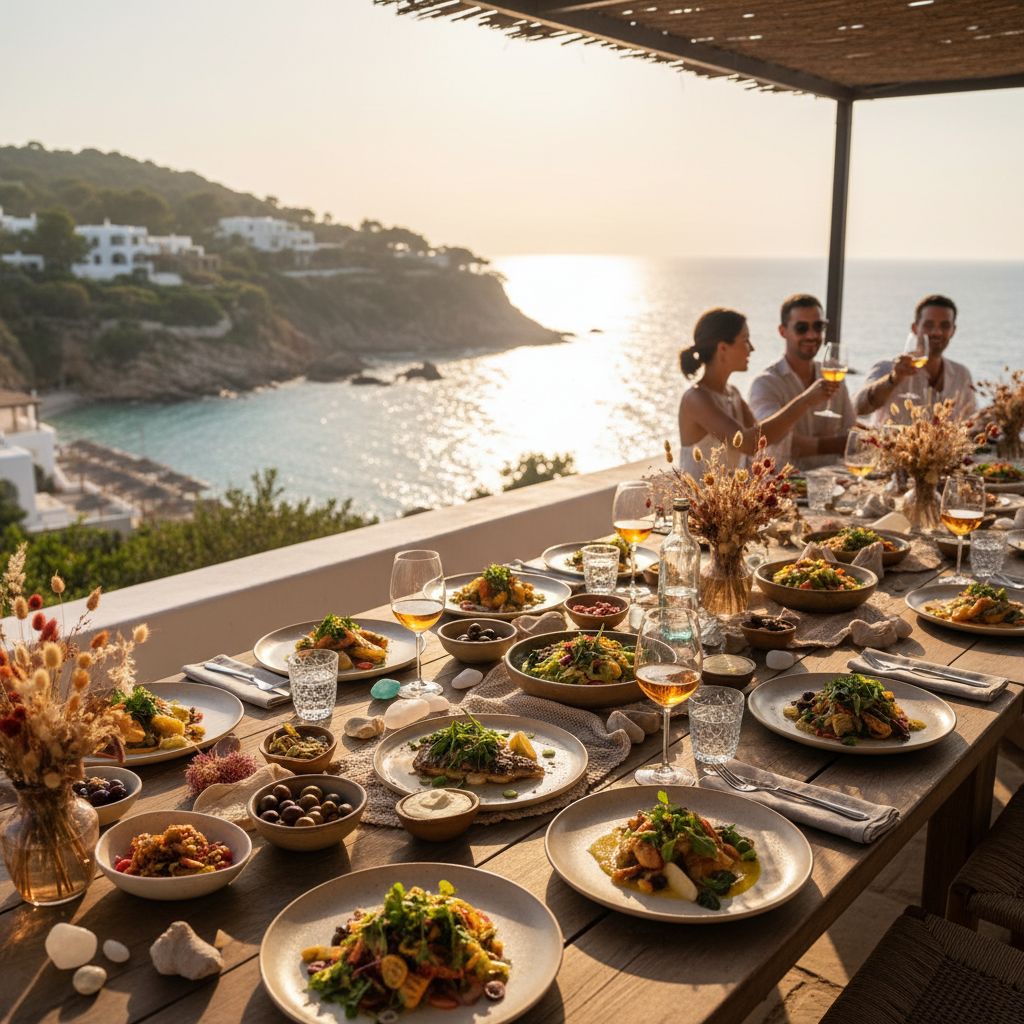
- The Setting: Imagine dining under ancient carob trees, with cicadas chirping a natural symphony, the scent of jasmine and rosemary drifting on the evening breeze. The architecture is authentic, often whitewashed stone, with gnarled olive trees or bougainvillea adorning the courtyards. These are places where you instinctively slow down.
- Olive Oil Tasting: Many agroturismos produce their own olive oil. Don't hesitate to ask if they offer tastings or sell bottles to take home. A local, cold-pressed olive oil is a world away from supermarket varieties.
- Wine Pairing: While Ibiza isn’t a major wine region, there are small, emerging vineyards producing surprisingly excellent wines, particularly reds made from the Monastrell (local name: Mourvèdre) grape. Ask for a local Ibizan wine pairing – it’s often a revelation. Wineries like Can Rich and Ojo de Ibiza are worth exploring. For more on local produce, check out our guide on local markets and artisanal goods.
- Seasonal Delights: If you visit during late summer/early autumn, keep an eye out for dishes featuring figs or carobs. In spring, wild asparagus might make an appearance. Embrace what the season offers.
- Conversation with Owners: If the opportunity arises, strike up a conversation with the owners or staff. Many are direct descendants of the families who built and worked these lands. They are a treasure trove of stories and local knowledge, happy to share insights into their culinary traditions and the island's history. This is where you truly connect with the heart of Ibiza.
The Payés Table as a Counterpoint to Modern Ibiza
In an era where Ibiza is often synonymous with globalized tourism and transient hedonism, the cocina payesa offers a vital anchor. It’s a delicious, tangible link to the island’s enduring identity as a self-sufficient, agricultural community. Opting for a meal at an agroturismo or a dedicated payés restaurant is a conscious decision to engage with a different side of Ibiza – one that values sustainability, tradition, and a deep respect for the land and its history.
Think of it as engaging with the slow food movement, decades before it became a "movement." It’s an antidote to the fast pace of modern life, offering a moment of genuine connection and culinary authenticity.
Planning Your Culinary Excursions
To make the most of your payés dining experience:
- Transportation: As mentioned, most agroturismos are in rural locations. Renting a car is highly recommended for flexibility. Factor in driving times on winding country roads, especially after dark. Taxis can be expensive and sometimes unreliable in deep rural areas. For more details on getting around, see our guide on transport in Ibiza.
- Time of Year: While many places are open year-round, the truly seasonal aspects of cocina payesa shine during spring, summer, and autumn when local produce is abundant. Winter can be quiet, but offers a unique charm and heartier dishes.
- Beyond Dinner: Some agroturismos also offer breakfast and lunch, which can be a more relaxed and budget-friendly way to experience their offerings. A long, leisurely lunch with stunning countryside views can be just as memorable as dinner.
- Combine with Exploration: Strategically plan your meals with other activities. For example, lunch at Can Curreu could be combined with a visit to the hippy market at Las Dalias (open Saturday and some evenings in summer) or exploring the charming village of Sant Carles. Dinner near Sant Antoni at Sa Capella could follow a sunset viewing at Cala Conta. Our hubs on villages and towns and beaches offer ample inspiration.
- Book Accommodation: If you’re truly committed to the full experience, consider staying a night or two at an agroturismo. It offers tranquility, beautiful surroundings, and unparalleled access to their culinary offerings. Browse our hotels and stays section for options.
Embracing payés cuisine means embracing the spirit of Ibiza itself – a blend of simplicity and richness, tradition and warmth. It's a journey not just for your palate, but for your soul.