Ses Salines Natural Park: Salt Flats and Birds
Everything you need to know about ses salines natural park: salt flats and birds in Ibiza — practical info, local tips and where to go next.
A Jewel of Biodiversity: The Enduring Legacy of Ses Salines
Ses Salines Natural Park, or Parc Natural de Ses Salines d'Eivissa i Formentera as it’s formally known, isn't just a picturesque stretch of coastline; it's a living, breathing testament to Ibiza's ecological richness and a vital historical landmark. Spanning over 16,000 hectares, with a significant 13,000-plus hectares being marine, it forms a crucial corridor for migratory birds, encompasses a unique salt production landscape, and safeguards one of the Mediterranean's most important seagrass meadows: Posidonia oceanica. Forget the clichés of pulsating superclubs for a moment; here, the rhythm is dictated by nature, the shimmer by evaporating seawater, and the soundtrack by the wings of thousands of birds. If you're seeking an authentic connection with Ibiza's wild side, its historical soul, and an unparalleled birdwatching experience, Ses Salines is an absolute must.
The Salt Flats: A Historical and Ecological Nexus
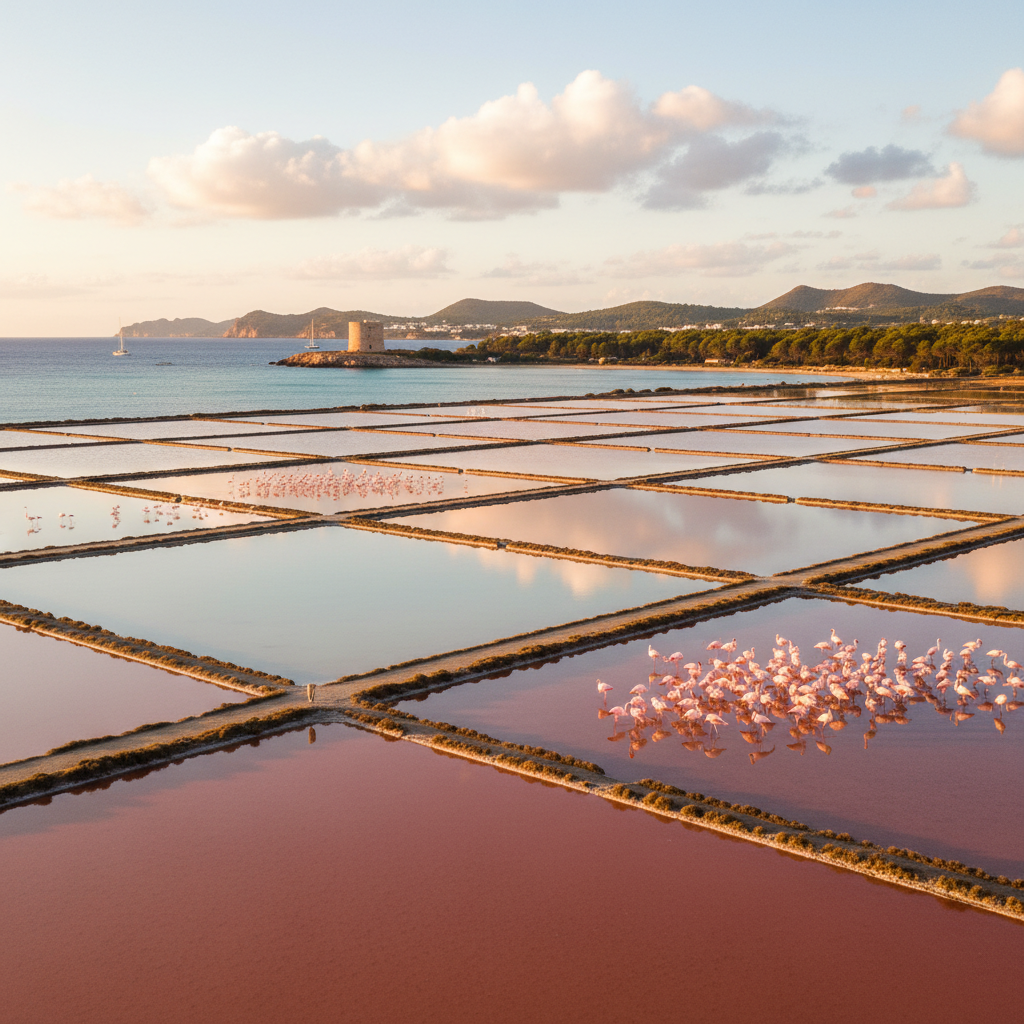
The salt flats themselves – Les Salines de Sant Francesc – are the beating heart of the park's terrestrial component. Historically, salt was 'white gold' for Ibiza, traded across the Mediterranean since the Phoenicians first exploited these natural depressions for solar evaporation. Fast forward millennia, and the salt industry, though modernized, continues to operate today. The sheer scale and geometric beauty of the evaporation ponds, ranging from deep saline lagoons to shallower, vividly colored crystalline pans, are a visual spectacle, especially at sunrise or sunset when the light paints the landscape in fiery hues. The distinct pinkish-red tones you often see are due to salt-loving microorganisms and brine shrimp (Artemia salina) thriving in the high salinity, which in turn are a crucial food source for the park's avian residents.
A drive or cycle along the designated routes within the salt flats (e.g., from the main road PM-802 towards Sant Francesc church or further towards Cap des Falcó) offers incredible vantage points. Parking is available at various points, though can get busy during peak summer. For a more immersive experience, park near Es Cavallet beach and walk along the dirt tracks crisscrossing the pans. Respect private property and operational areas of the salt factory, which is still a vital local business.
Guardian of the Mediterranean: Posidonia Oceanica Meadows
Beneath the surface of the sparkling waters surrounding Ses Salines lies another wonder: immense meadows of Posidonia oceanica. This endemic marine plant, often mistaken for seaweed, is actually a flowering plant crucial to the Mediterranean ecosystem. It acts as a carbon sink, produces oxygen, stabilizes the seabed, and provides vital habitat and nurseries for countless marine species. The health of these meadows is directly responsible for the legendary clarity and turquoise hues of Ibiza's waters. It's for the protection of this very plant that much of the marine park was designated a UNESCO World Heritage site in 1999, along with the salt flats and the ancient Phoenician settlement of Sa Caleta.
When swimming or engaging in watersports in the park’s coastal areas (e.g., Es Cavallet, Las Salinas), you might encounter long, ribbon-like leaves or ‘Neptune balls’ (fibrous concretions of Posidonia leaves) washed ashore. These are signs of a healthy ecosystem and should not be seen as a detriment to the beach. Mooring boats over Posidonia meadows is strictly prohibited due to the damage anchors can inflict; designated mooring areas with buoys are available. Learning more about this incredible plant and its role in keeping Ibiza's waters pristine is highly recommended, perhaps by visiting the dedicated exhibition at the park's Interpretation Centre.
Birdwatching Paradise: Migratory Spectacle
Ses Salines is, without exaggeration, one of Europe's premier birdwatching destinations. Its strategic location on migratory routes between Africa and Europe makes it a critical stopover and wintering ground for thousands of birds. The shallow, brackish waters of the salt flats, combined with the coastal marshlands and dune systems, create a diverse range of habitats supporting a staggering variety of species.
The undisputed stars of the show are the Greater Flamingos (Phoenicopterus roseus). Present for much of the year, especially from late summer through winter, their vibrant pink plumage against the white salt or blue sky is an unforgettable sight. You can often spot hundreds, sometimes thousands, feeding gracefully in the larger salt pans. Keep an eye out for other waders like Black-winged Stilts (Himantopus himantopus) with their impossibly long red legs, Avocets (Recurvirostra avosetta) with their distinctive upturned beaks, and various species of sandpipers and plovers.
During spring and autumn migration, the park becomes a veritable highway for passerines, raptors, and seabirds. Look for Ospreys (Pandion haliaetus) fishing in the lagoons, Eleonora's Falcons (Falco eleonorae) hunting over the coastline, and various warblers and flycatchers flitting through the scrubland. Even in summer, you'll find resident species like Stone Curlews (Burhinus oedicnemus), Kentish Plovers (Charadrius alexandrinus), and various gulls and terns.
Insider Tip: While binoculars or a spotting scope are a must for serious birdwatchers, even casual observers will appreciate the sheer numbers and proximity of some species. The best times for birdwatching are early morning and late afternoon, when the light is softer and birds are most active. Winter (November to March) offers the greatest diversity and highest numbers of overwintering species. Don't forget a bird identification guide!
Coastal Gems Within the Park: Beaches and Beyond
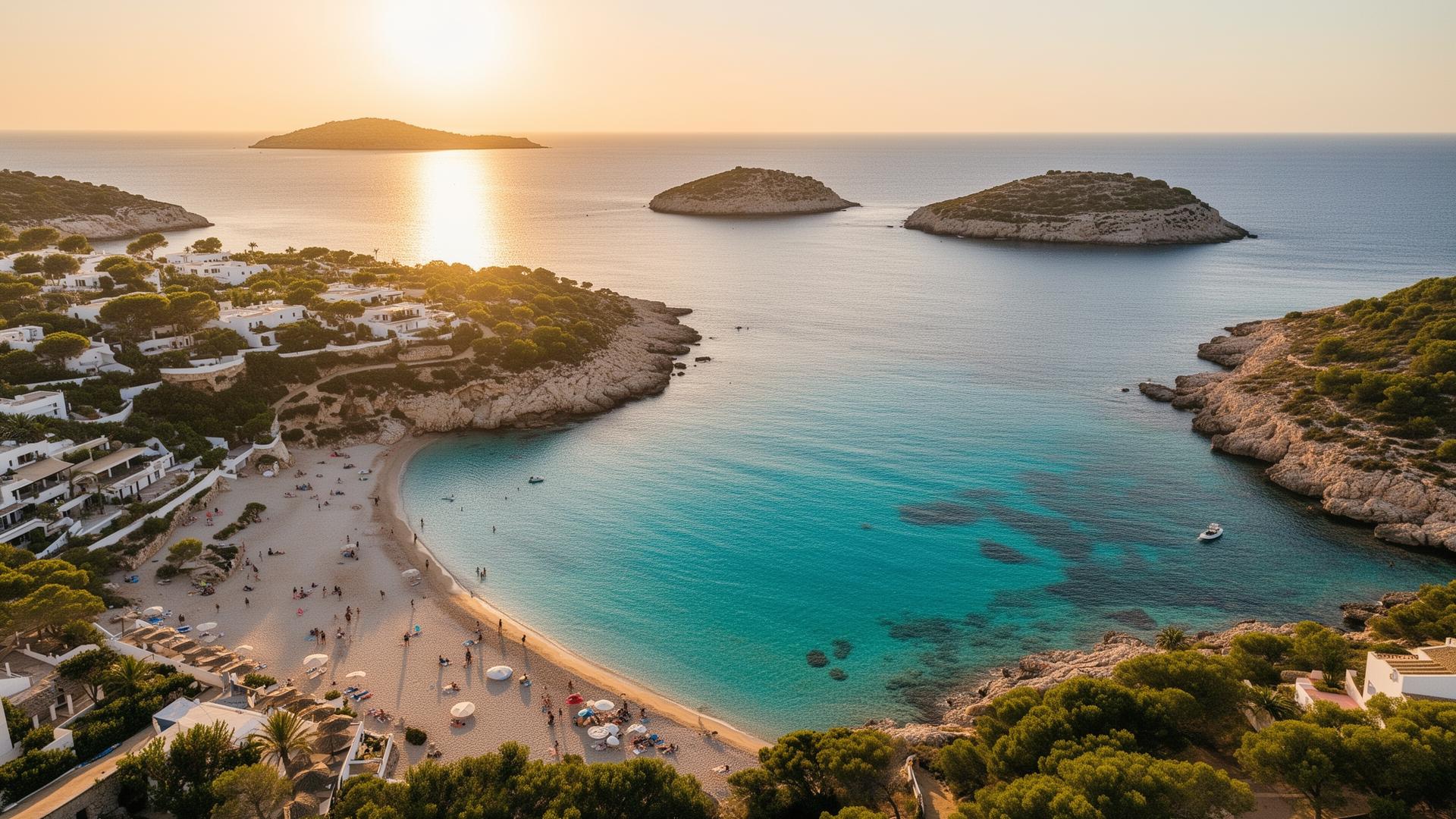
The park encompasses some of Ibiza's most iconic and beautiful beaches, each offering a slightly different vibe while sharing the park’s pristine natural beauty.
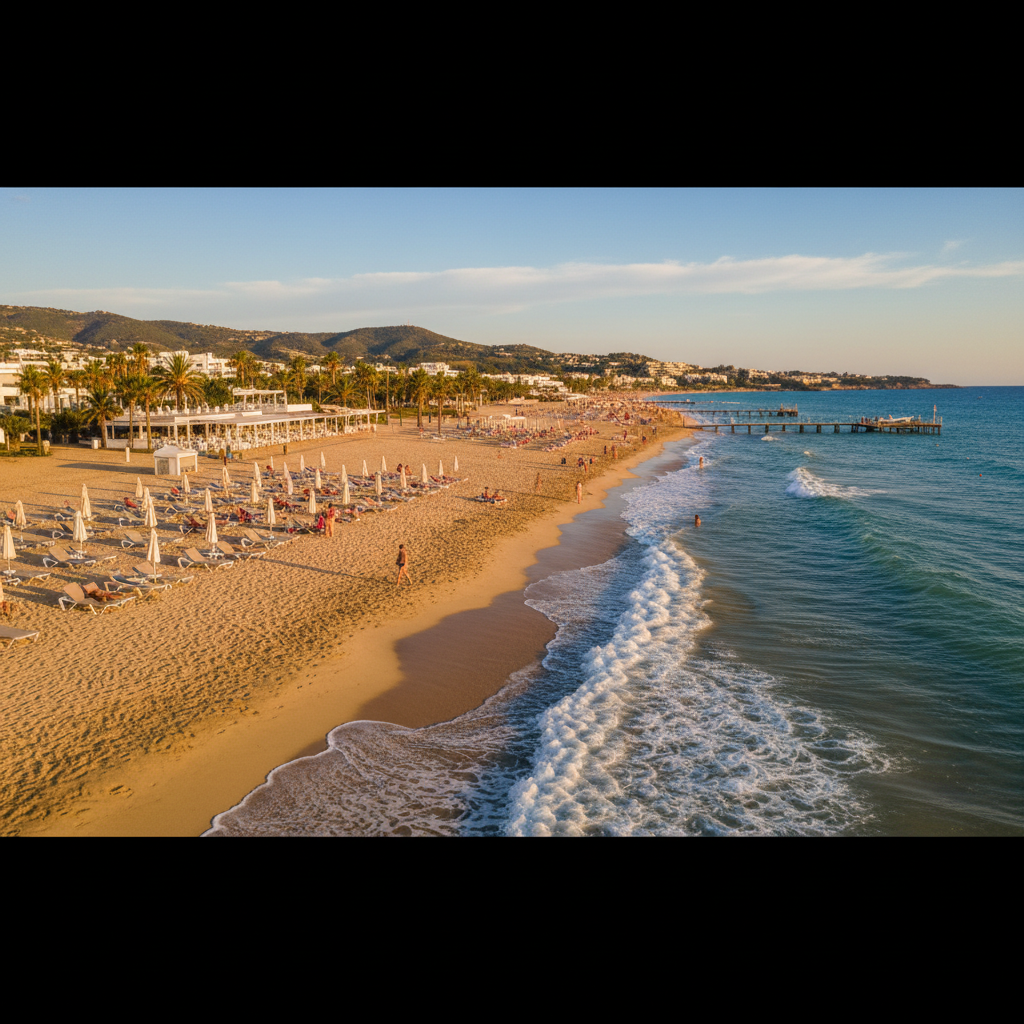
Playa de Ses Salines (Las Salinas Beach): Arguably Ibiza's most famous natural beach, known for its long sweep of golden sand, crystal-clear shallow waters, and vibrant atmosphere. Backed by pine forests and gently rolling dunes, it's a popular spot for sunbathing, swimming, and people-watching. You'll find several chiringuitos (beach bars) here, like the legendary Sa Trinxa (known for its laid-back beats and bohemian crowd), Jockey Club Salinas (more upscale, excellent food), and Guarana Salinas (great for cocktails and sunset views). Prices for a sun lounger and umbrella typically range from €15-€25 per item in peak season 2025. Parking is available for around €6-€8 per day, often collected by attendants. [Relevant link: /hubs/beaches]
Playa d'Es Cavallet (Es Cavallet Beach): Just to the west of Las Salinas, Es Cavallet is known as Ibiza's official nudist beach and also a popular LGBTQ+ friendly spot. Its wilder, more untamed feel, with larger dunes and fewer permanent structures, appeals to those seeking a deeper connection with nature. The northern end is generally more family-friendly and textile, while the central and southern sections are where nudism is prevalent. Chiringay, a much-loved institution, offers delicious food and a welcoming atmosphere. The long stretch of sand and clear waters are perfect for long walks. Parking is free but can be a long walk if the main car park near El Chiringuito (a chic, high-end restaurant) is full.
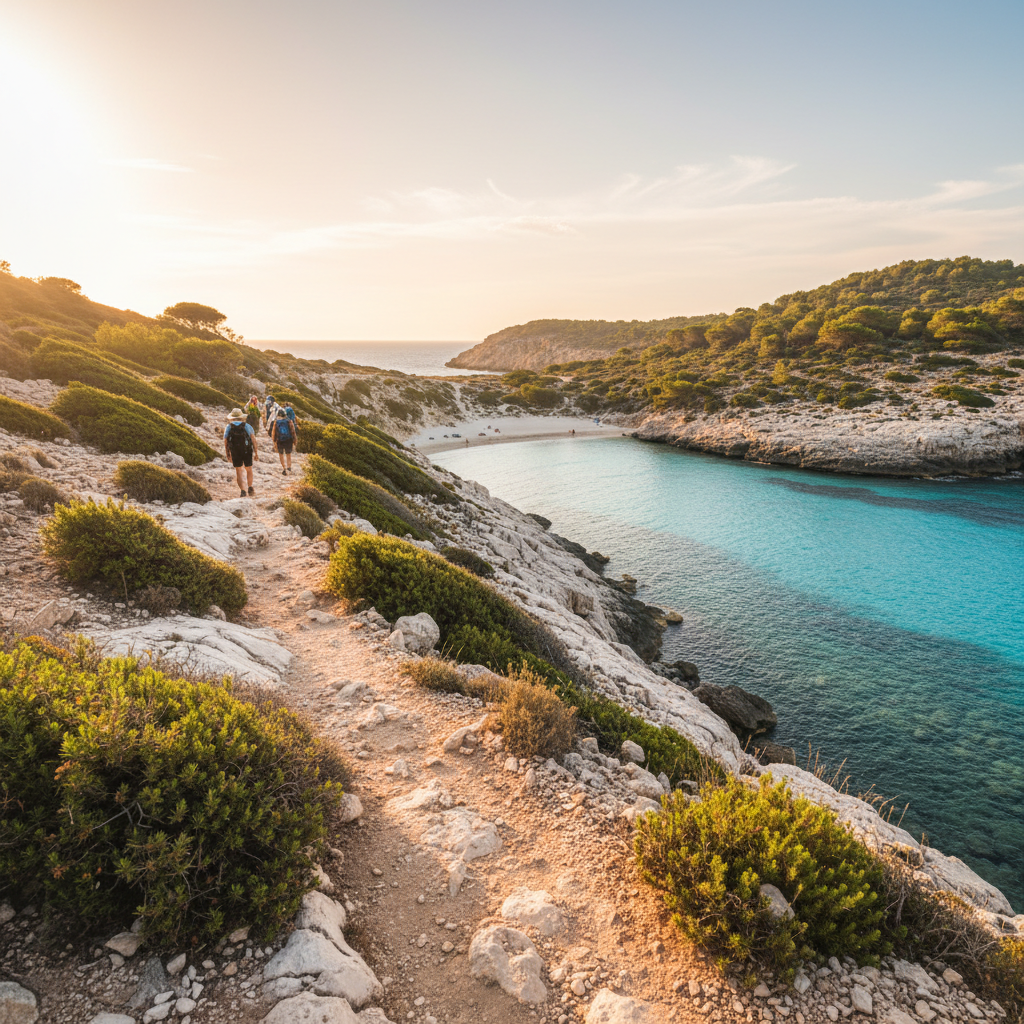
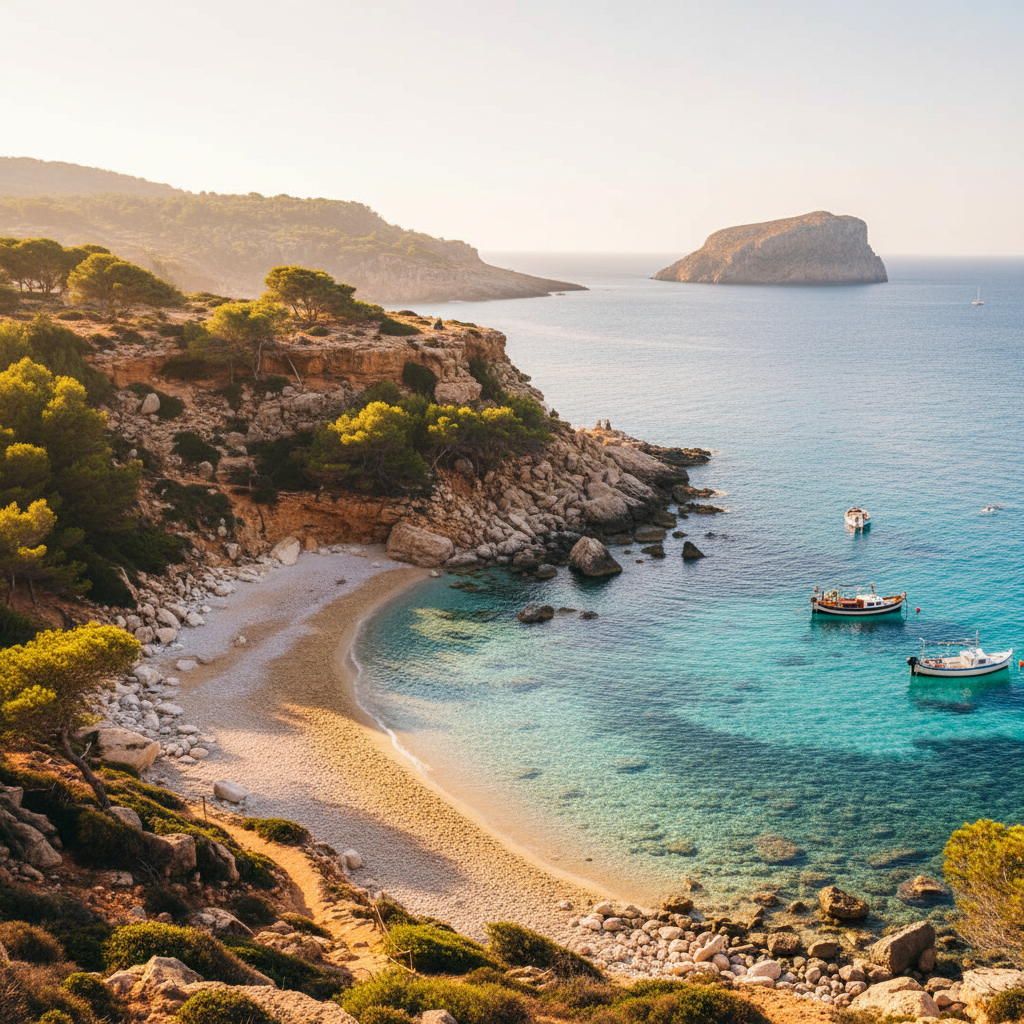
For those venturing further, the rugged coastline towards Cap des Falcó offers hidden coves and dramatic cliffs, perfect for a more adventurous hike.
Hiking and Cycling Routes: Exploring on Foot or Two Wheels
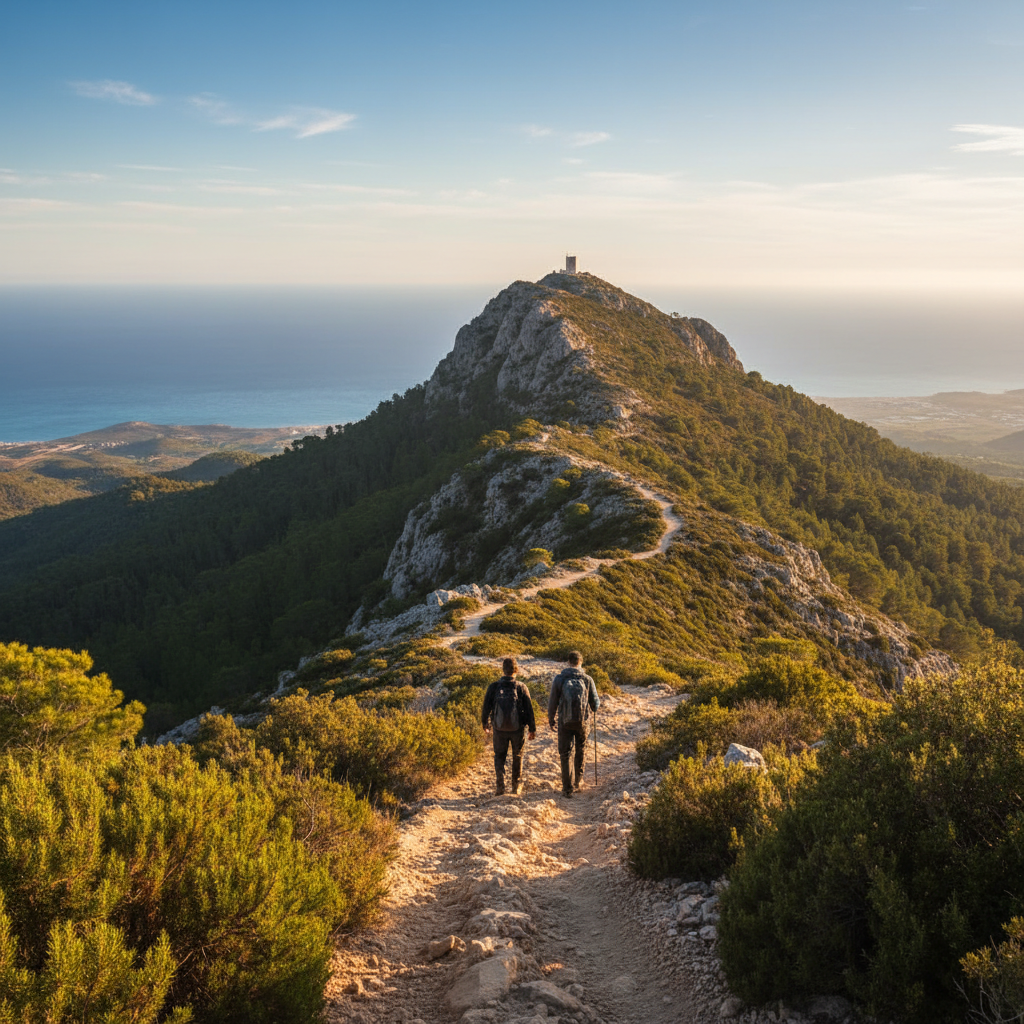
Exploring Ses Salines on foot or by bicycle is arguably the best way to truly appreciate its diverse landscapes and wildlife. Several well-marked and informal paths crisscross the park.
Birdwatching Trail around the Salt Pans: A relatively flat route, easily enjoyable for all fitness levels. Starting near the information signs on the PM-802, you can follow dirt tracks that loop around various salt pans. This is prime birdwatching territory. Allow 1-2 hours for a leisurely stroll with stops.
Coastal Walk from Es Cavallet to Cap des Falcó: This more challenging but incredibly rewarding walk takes you along the rugged coastline, past small, secluded coves (like Es Codolar), and offers panoramic views across the sea towards Formentera. The path can be uneven and rocky in places, so sturdy footwear is essential. Allow 2-3 hours for a round trip from the Es Cavallet parking area.
Cala Jondal Circuit via Es Codolar: For a longer hike, you can extend the Cap des Falcó walk to reach Cala Jondal, another stunning beach with famous beach clubs like Blue Marlin Ibiza. This would be a full-day hike, requiring good fitness and plenty of water.
Cycling: The flat terrain of the salt flats is ideal for cycling. You can rent bicycles in Ibiza Town (many shops on Av. de Sant Jordi or Carrer de Carles III, expect €15-€25 per day for a basic mountain bike, €30-€50 for e-bikes in 2025/2026) and cycle into the park. The dedicated cycling path along the PM-802 from Ibiza Town provides safe access. [Relevant link: /hubs/hiking-nature] [Relevant link: /hubs/transport]
The Interpretation Centre: Your Gateway to Understanding
To fully grasp the ecological significance and history of Ses Salines, a visit to the Centre d'Interpretació de Ses Salines is highly recommended. Located near Sant Francesc de s'Estany, it's housed in an old salt storehouse and offers engaging exhibits (in Spanish, Catalan, and English) on the park's biodiversity, the historical salt industry, and the importance of Posidonia oceanica. Staff are often available to provide insights and answer questions. The centre also provides maps and information on guided tours or activities within the park.
Opening Hours (approximate for 2025/2026):
- Summer (June-September): Daily, 10:00 - 14:00 and 17:00 - 20:00
- Winter (October-May): Monday-Friday, 09:00 - 15:00
- Closed on public holidays.
- Entry is free.
Responsible Tourism: Preserving Paradise
Visiting Ses Salines comes with a responsibility to help preserve its delicate ecosystem. The park is a protected area, and adherence to regulations is crucial.
- Stay on marked paths: This protects fragile vegetation and avoids disturbing nesting birds.
- Do not litter: Carry out everything you carry in.
- Respect wildlife: Maintain a respectful distance from birds and other animals. Do not feed them.
- No fires or BBQs: The risk of wildfires is extremely high, especially in summer.
- No unauthorized camping: Camping is strictly prohibited.
- Marine rules: If boating, respect speed limits, designated anchoring zones, and the no-go areas over Posidonia meadows.
- Noise levels: Keep noise to a minimum, especially in birdwatching areas.
By following these simple guidelines, you contribute directly to the ongoing conservation efforts that make Ses Salines such a special place for everyone to enjoy, now and for generations to come.
When to Visit for the Best Experience
While beautiful year-round, your enjoyment of Ses Salines can be significantly enhanced by timing your visit to particular seasons.
- Spring (April-May): Pleasant temperatures, lush vegetation, and intense migratory bird activity as species arrive to breed or pass through. Flowers are in bloom. Crowds are moderate.
- Summer (June-September): Hot, sunny weather, perfect for beach days. Flamingos are usually present. However, it's the busiest time, so expect larger crowds on the beaches and hotter conditions for hiking. Early mornings are best for birdwatching.
- Autumn (October-November): Mellower temperatures, fewer crowds, and another peak migration season for birds heading south. The light is often stunning.
- Winter (December-March): Tranquil and serene. This is arguably the best time for serious birdwatching, with thousands of overwintering waterfowl and waders. You'll have the paths mostly to yourself. While the weather can be cooler and occasionally rainy, many days are bright and sunny.
Local Delicacies and Refreshments
After a day of exploring, you'll undoubtedly have worked up an appetite. While the park itself is primarily natural, the surrounding areas offer some fantastic dining options.
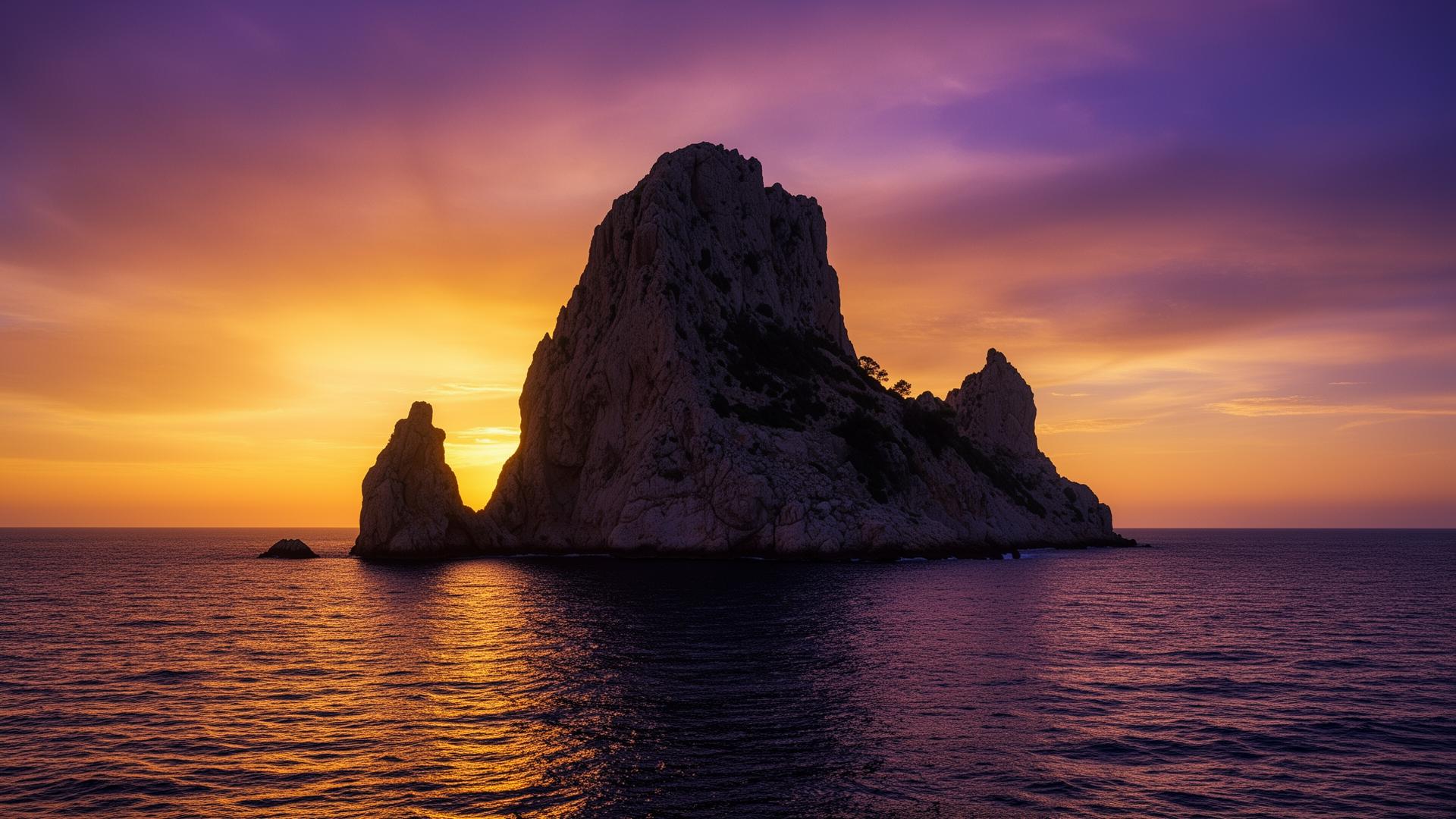
- Es Boldadó: Perched on a cliff overlooking the impressive rock formation of Es Vedrà and the sea, just a short drive from the park's perimeter (near Cala d’Hort). This renowned restaurant specializes in fresh seafood, particularly their bullit de peix (fish stew) and paella. Book well in advance, especially for sunset tables. Expect to pay €50-€80 per person for a full meal with wine (2025/2026).
- Ca Na Vergera: A charming, traditional restaurant in the small village of Sant Francesc de s'Estany, very close to the salt flats. Known for hearty, authentic Ibicencan cuisine. A more rustic and local experience than the beach clubs. Great for lunch after visiting the Interpretation Centre. Prices are more moderate, perhaps €30-€45 per person.
- The Beach Clubs on Las Salinas and Es Cavallet: As mentioned, places like Jockey Club, Sa Trinxa, Guarana Salinas, El Chiringuito, and Chiringay offer a range of culinary experiences from casual snacks to upscale dining, all with stunning beachfront views. Prices vary widely, from €15 for a burger to €100+ for a gourmet meal and cocktails.
A Legacy of Nature and Industry Hand-in-Hand
The Ses Salines Natural Park is a unique testament to how human activity, even centuries-old industry like salt production, can coexist and indeed foster incredible biodiversity. It’s a place where history, ecology, and natural beauty intertwine, offering a profoundly different perspective on Ibiza than its famous nightlife. Take your time, breathe deeply, and allow yourself to be captivated by the quiet majesty of this extraordinary corner of the island. Its resilience, its vibrant wildlife, and its enduring connection to the past make it an essential pilgrimage for any visitor seeking to understand the true spirit of Ibiza.