Ibiza Weather: Rainfall, Wind and What to Pack
Everything you need to know about ibiza weather: rainfall, wind and what to pack in Ibiza — practical info, local tips and where to go next.
Decoding Ibiza's Atmospheric Nuances: Beyond the Sunshine Stereotype
Ibiza. The name conjures images of endless azure skies, sun-drenched beaches, and balmy nights. And while that's largely true, understanding the island's weather patterns, particularly rainfall and wind, is crucial for planning an optimal visit, whether you're chasing the last beats of closing parties, venturing into the quieter winter months, or simply trying to decide between a sarong and a light jacket. This isn't just about averages; it's about the microclimates, the unpredictable squalls, and the subtle shifts that differentiate a perfect beach day at Cala Comte from a blustery hike up Sa Talaia.
The Mediterranean Climate Framework: Arid, but Not Always Dry
Ibiza, like the rest of the Balearic archipelago, experiences a classic Mediterranean climate. This means hot, dry summers and mild, somewhat wetter winters. Rainfall is a noteworthy feature, despite the island's arid reputation. The majority of precipitation occurs between September and April, with October often being the wettest month. Average annual rainfall hovers around 450-500mm, significantly less than many parts of mainland Europe, but enough to transform the landscape.
Think of it this way: summer (June, July, August) sees almost negligible rain – you might get one or two isolated thunderstorms, often dramatic but fleeting. But step into October, and the chances increase significantly. A "rainy day" in Ibiza rarely means continuous, all-day downpours. It's more often intense, short-lived showers, sometimes accompanied by spectacular lightning, followed by clear skies and fresh air. These downpours are essential for replenishing the island's aquifers, especially vital for areas like the agricultural plains around Santa Gertrudis or the ancient olive groves near San Mateu d'Albarca. When the parched earth finally drinks its fill, the scents of rosemary, pine, and damp soil are incredibly potent – a sensory experience many summer visitors miss entirely.
Rainfall by Season: What to Expect and When
Summer Scarcity (June, July, August)
Forget your umbrella. Seriously. During these peak summer months, rainfall is a statistical anomaly. Average monthly precipitation often barely registers, typically less than 10-15mm across the entire season. If it does rain, it's usually a short, sharp shower, sometimes coupled with a thunderstorm, that clears the air beautifully and leaves a temporary sheen on the asphalt of the Sunset Strip in San Antonio or the cobbled streets of Dalt Vila. Even after one of these brief deluges, the ground often dries within an hour due to the high temperatures and strong sun.
- Packing tip: Focus on light, breathable fabrics. A light waterproof jacket is excessive; a simple poncho might be handy for an unexpected downpour if you're out hiking, but honestly, you're more likely to wish you had an extra swimsuit.
Autumn's Refreshment (September, October, November)
This is where the weather gets interesting and often, in my opinion, most beautiful. September can still feel like summer, but towards the latter half of the month, the air begins to cool, and the first significant rains can arrive. October is historically the wettest month, averaging around 70-80mm of rain. This doesn't mean it rains every day, or even most days, but rather that when it does rain, it can be substantial. Think of it as bursts of activity. You might have a week of glorious sunshine, followed by two days of intense, on-and-off showers. These rains bring the island back to life after the dry summer. The landscape turns from dusty ochre to vibrant green, and the air smells incredibly clean.
- Local insight: Many of the island's 'payeses' (farmers) eagerly await these autumn rains. They are vital for the almond groves, the carob trees, and the burgeoning winter vegetable crops in areas like the Pla de Sant Mateu.
- Packing tip: Layers are your friend. A light waterproof jacket or a sturdy umbrella is a wise inclusion. You'll still need swimwear and summer clothes for sunny days, but also jumpers, jeans, and closed-toe shoes for cooler evenings or blustery days. Consider a pair of stylish waterproof boots for navigating puddles in Ibiza Town.
Winter's Gentle Wash (December, January, February)
Winter in Ibiza is mild but still experiences rainfall. January and February typically see around 40-50mm of rain each. While more frequent than summer, it's still often intermittent. You'll get plenty of clear, crisp days with brilliant sunshine, perfect for hiking the coastal paths around Es Vedrà or exploring the deserted beaches of Cala d'Hort. However, you should be prepared for multi-day periods of overcast skies and occasional rain. These are the months when the island sheds its party façade and reveals its authentic, rugged beauty.
- Packing tip: Layers remain essential. A good quality waterproof and windproof jacket is highly recommended, especially for exploring the countryside or taking a winter ferry to Formentera. Sturdy walking shoes are a must. Don't forget hats, scarves, and gloves for cooler evenings. You’ll still see locals enjoying coffee outdoors on sunny winter mornings, but often wrapped up.
Spring's Unpredictability (March, April, May)
Spring is a glorious, but sometimes temperamental, transitional period. March still retains some of winter's chill and rainfall (around 30-40mm), but April often sees a significant drop in precipitation, averaging closer to 20-30mm. May heralds the return of summer, with rainfall usually dipping below 20mm and many days feeling distinctly summery. However, spring showers can be particularly unpredictable. You might have a week of perfect beach weather in early April, followed by a surprisingly chilly, wet period.
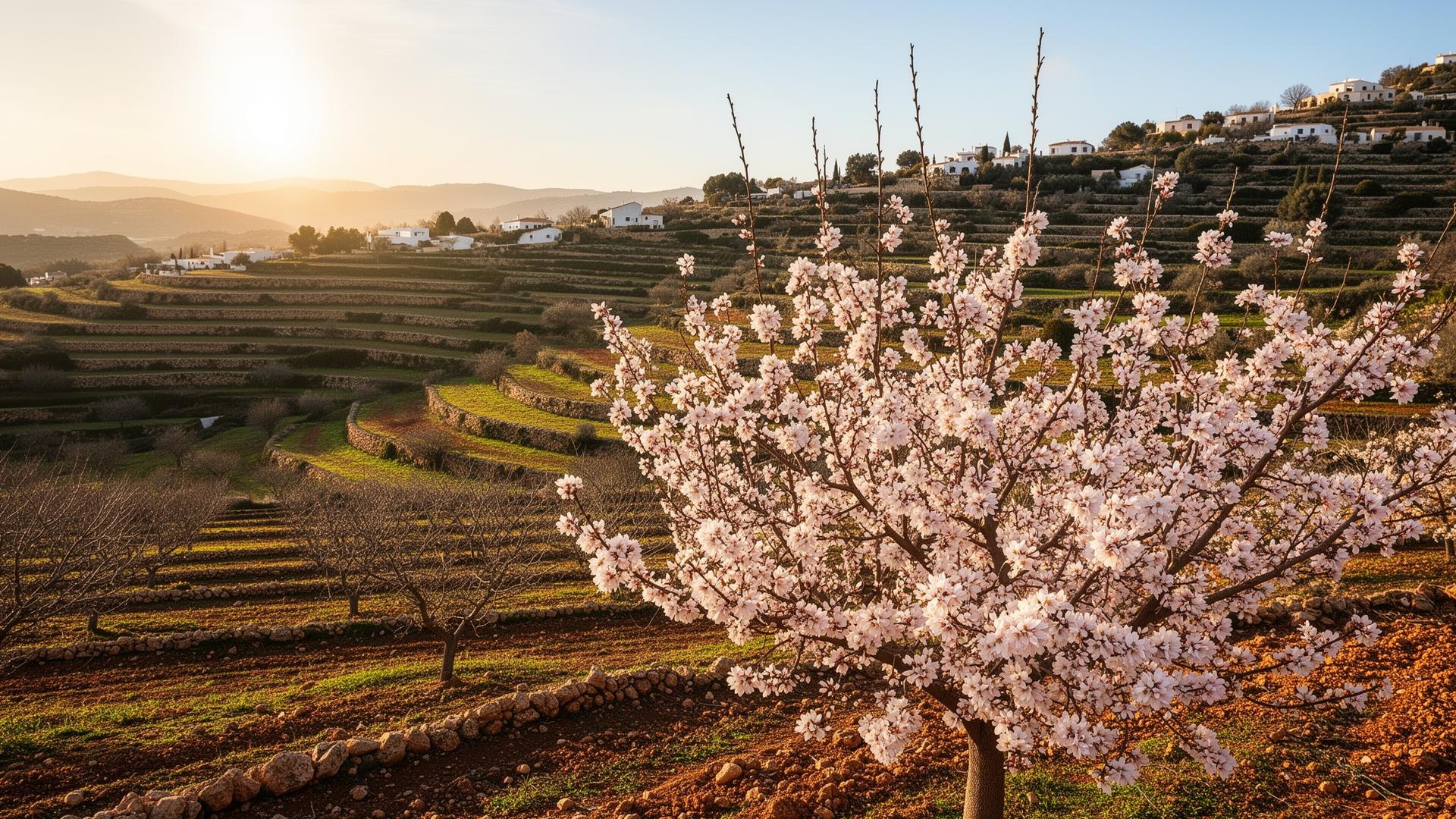
- Local insight: The flowering almond trees in late January/early February (particularly stunning around Santa Agnès de Corona) are a unique winter spectacle, often enjoyed under crisp, clear skies, sometimes followed by rain that nourishes the emerging blossoms.
- Packing tip: Again, layers are vital. A light jacket that offers some protection from both rain and wind is perfect. Think versatile items: a denim jacket, a light cardigan, long-sleeved tops, and a few pairs of shorts and dresses for warmer days.
Understanding the Winds: The Unsung Sculptor of Ibiza
While rainfall is seasonal, wind is a more constant, albeit variable, atmospheric presence on Ibiza. The island's topography, particularly its jagged coastline and central hills, creates microclimates where wind can be a significant factor.
Dominant Wind Directions
The most common winds affecting Ibiza are:
- Tramuntana (North Wind): This is a cold, often strong, dry wind originating from the Pyrenees/Mediterranean system. It can make winter days feel significantly colder and create choppy seas, particularly on the north coast beaches like Benirràs or Port de Sant Miquel. When the Tramuntana blows, you'll feel it, and it can bring dramatic skies.
- Levante (East Wind): Originating from the east or southeast, the Levante is often a milder, more humid wind, sometimes bringing fine dust from the Sahara (the 'calima') and increasing the chance of rain, particularly in autumn and spring. It affects beaches facing east, like Cala Llonga or Platja d'en Bossa, leading to choppier waters.
- Poniente (West Wind): This warm, dry wind from the west brings clear skies and often calm seas to the eastern side of the island. Conversely, beaches like Cala Vadella or Cala Tarida on the west coast might experience more significant waves.
- Migjorn (South Wind): Less frequent but can bring warmth and sometimes humidity, again with the potential for rain.
Wind's Impact on Your Ibiza Experience
- Beach Choice: This is perhaps the most critical practical application of understanding wind. If the wind is blowing strongly from the north, head to the sheltered south-facing beaches like Sa Caleta or Salinas. If the Levante is making Platja d'en Bossa choppy, escape to the west coast havens like Cala Bassa or Cala Comte. Locals instinctively know this and will often check wind direction before planning a beach day. Websites like Ventusky.com or Windguru.cz are excellent for real-time wind forecasting and are often consulted by local sailors and beach-goers.
- Watersports: Wind is a boon for watersports enthusiasts. Stronger winds transform the bay of Sant Antoni into a windsurfer's paradise, while Es Figueral is a known spot for kitesurfing when conditions are right. Conversely, very calm days are perfect for paddleboarding or kayaking in secluded coves.
- Temperature Perception: Even on a sunny day, a brisk Tramuntana can make the ambient temperature feel significantly cooler, especially out of direct sunlight or in the shade of a pine tree at a beach bar like Es Xarcu.
- Air Quality: While generally excellent, strong winds can occasionally bring the aforementioned Saharan dust (calima), which can give the sky a hazy, orange tint and can be a minor irritant for those with respiratory sensitivities. This is usually more prevalent in spring.
Packing Strategically: From Beach Bags to Blustery Day Essentials
Your packing list will be dramatically different depending on the season and your planned activities.
Summer (June - August)
- Clothing: Endless swimwear, light cotton dresses, linen shirts, shorts, t-shirts, flip-flops, sandals.
- Evening: For going out to places like Pacha or a nice dinner at Jondal, think stylish but still light – a chic jumpsuit, a light blazer or shawl for cooler air-conditioned venues in the Marina of Ibiza Town.
- Footwear: Primarily sandals and light trainers.
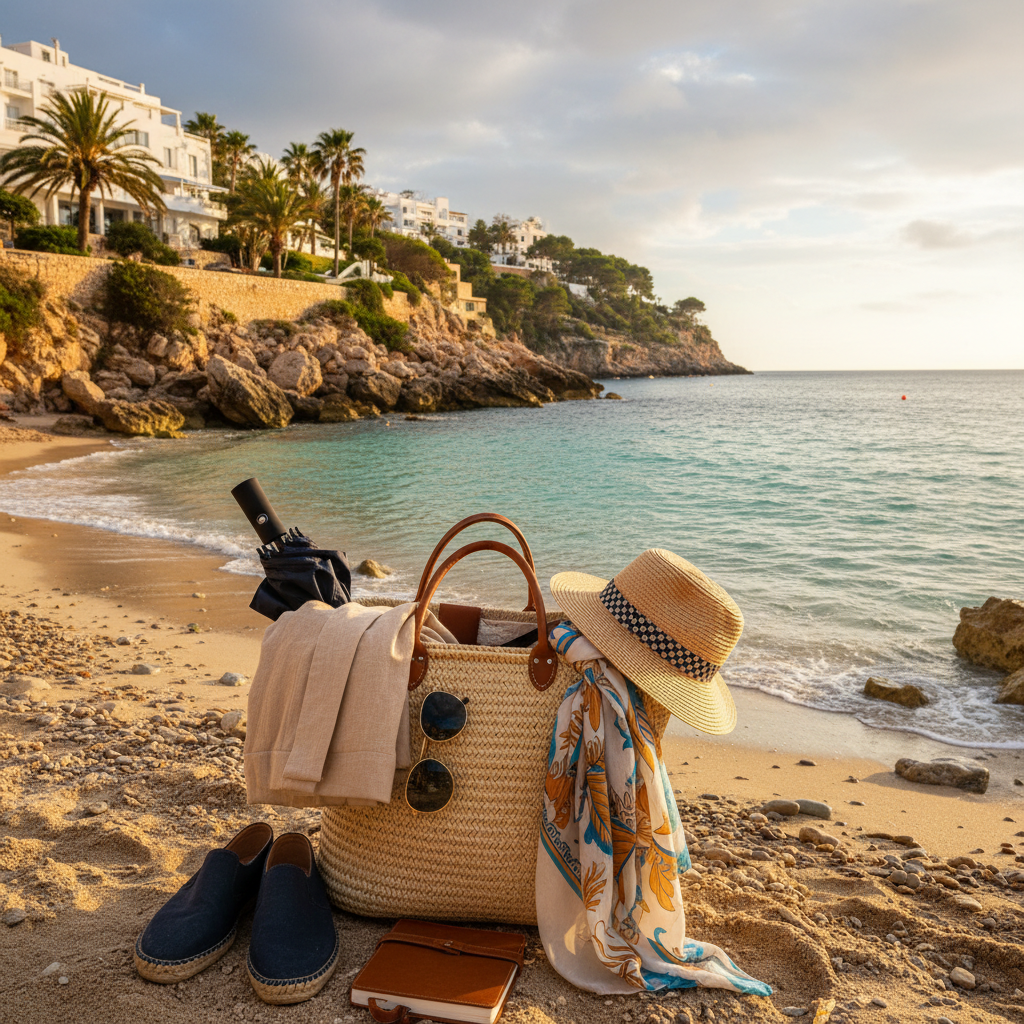
- Essentials: High SPF sunscreen (factor 50 is not overkill!), sunglasses, wide-brimmed hat, insect repellent (especially important for evenings in mosquito-prone areas inland), a large beach towel.
- Insider tip: Even in summer, a very light scarf or pashmina can be useful for air-conditioned restaurants or unexpected evening breezes on a rooftop bar like Up! at TRS Ibiza Hotel.
Autumn (September - November)
- Clothing: Mix of summer attire and warmer layers. Jeans, long-sleeved tops, light sweaters, hoodies.
- Outerwear: A trustworthy waterproof and windproof jacket. This is non-negotiable.
- Evening: Smart casual for most places. A nice dress for women, smarter trousers and a shirt/jumper for men.
- Footwear: Comfortable walking shoes, closed-toe shoes (ankle boots are popular), and waterproof options. Sandals for residual warm days.
- Essentials: Umbrella, sunscreen (sun can still be strong!), hat, sunglasses.
- Local knowledge: Autumn is closing party season. If you're attending Ushuaïa or Hï Ibiza's closings, be prepared for potentially cool nights, especially if there's a breeze. A stylish jacket rather than just a t-shirt will serve you well.
Winter (December - February)
- Clothing: Jeans, warm trousers, sweaters, fleeces, thermal tops (if you're particularly susceptible to cold).
- Outerwear: A proper winter coat – waterproof and windproof is key. A light puffer jacket or a well-insulated waterproof shell.
- Evening: Smart casual, leaning towards warm. Think wool jumpers, nice trousers. Many restaurants like La Paloma will have log fires, but getting to and from them requires warmth.
- Footwear: Waterproof walking boots are ideal for hiking or just navigating the island. Warm socks.
- Essentials: Hat, scarf, gloves. Sunscreen and sunglasses (winter sun can be bright but not warm!). A sturdy umbrella.
- Practical consideration: Many of the island's smaller, more rustic restaurants and agroturismos are open and thriving in winter. You'll want to be dressed for comfort and warmth to fully enjoy a long lunch at, say, Can Berri Vell in San Agustín.
Spring (March - May)
- Clothing: A mixed bag. Shorts and t-shirts for warm days, but definitely bring jeans, long-sleeved tops, and light sweaters.
- Outerwear: A light, packable waterproof jacket. A denim jacket or light bomber is also versatile.
- Evening: Similar to autumn – smart casual with layers.
- Footwear: Trainers, comfortable walking shoes, and sandals for warmer days.
- Essentials: Sunglasses, sunscreen. An umbrella that can be easily tucked away.
- Activity focus: Spring is fantastic for hiking and cycling before the heat kicks in. Ensure your footwear and clothing are suitable for these activities. Check out routes around the beautiful Las Salinas Natural Park area for stunning spring colours.
Long-Range Forecasting vs. Local Wisdom
While apps like AccuWeather or your phone's default weather app offer decent short-term forecasts, remember they are based on algorithms and regional models. For Ibiza, microclimates are significant. A predicted shower for the whole island might only manifest as a brief sprinkle over San Juan, leaving Santa Eulalia sunny.
- Local tip: Always look at the sky! The clouds over Es Vedrà can often signal upcoming weather changes for the southwest, while those gathering over the hills in the centre of the island can indicate rain for inland areas. Chatting with locals at a morning coffee spot in Santa Gertrudis or a bar in Jesús often provides the most accurate, ground-level insight into the day's likely weather surprises. They'll tell you if it's "aire de migjorn" (south wind) or if the "boira ha entrat" (fog has rolled in).
Beyond Averages: Preparing for the Exceptional
While the averages are good guidelines, Ibiza, like any Mediterranean island, can experience extreme weather events. These are rare but worth noting:
- Gota Fría (Cold Drop): This phenomenon, typically in autumn, involves a detached pocket of very cold air in the upper atmosphere interacting with warm, humid air at sea level. The result is exceptionally heavy, sometimes torrential, rainfall over a short period, potentially causing flash floods. While not an annual occurrence, it can happen and can temporarily disrupt roads and services. These events are often forecast a few days in advance.
- Heatwaves: Mid-summer can see periods where temperatures soar into the high 30s°C (95°F+). During these times, staying hydrated, seeking shade, and limiting strenuous activity during the hottest part of the day (1 pm - 4 pm) are crucial. Some restaurants, like Can Domingo, will have excellent cooling systems, or you might prefer places with a sea breeze.
- Saharan Dust (Calima): As mentioned, particularly in spring, easterly winds can bring fine dust from the Sahara, creating hazy skies and sometimes coating surfaces with a fine layer of reddish-brown dust. While usually harmless, it can affect air quality.
Embracing Ibiza's Atmospheric Personality
Ibiza's weather is an integral part of its charm. The sunshine is legendary, but the occasional rain showers bring lushness, and the shifting winds sculpt its coasts and influence its mood. By understanding these patterns, you're not just preparing for your trip; you're gaining a deeper appreciation for the island's unique ecological rhythms and its nuanced beauty. Whether you're seeking the unwavering heat of July or the refreshing, quieter charm of an autumn day, knowing what to expect from the skies will ensure your Ibiza experience is as perfect as you envision.
For more on planning your packing, check out our guide on [/articles/ibiza-packing-list]. If you're considering a trip during the shoulder seasons, our hub on [/hubs/seasons-weather] has more detailed information on specific months. For navigating the island, especially during variable weather, see our [/hubs/transport] section. And to truly appreciate the island's natural beauty, exploring its hiking trails after a refreshing rain can be magical; find inspiration in our [/hubs/hiking-nature] hub.