Hierbas Ibicencas: The Island's Herbal Liqueur
Everything you need to know about hierbas ibicencas: the island's herbal liqueur in Ibiza — practical info, local tips and where to go next.
The Green Elixir: Unveiling Hierbas Ibicencas
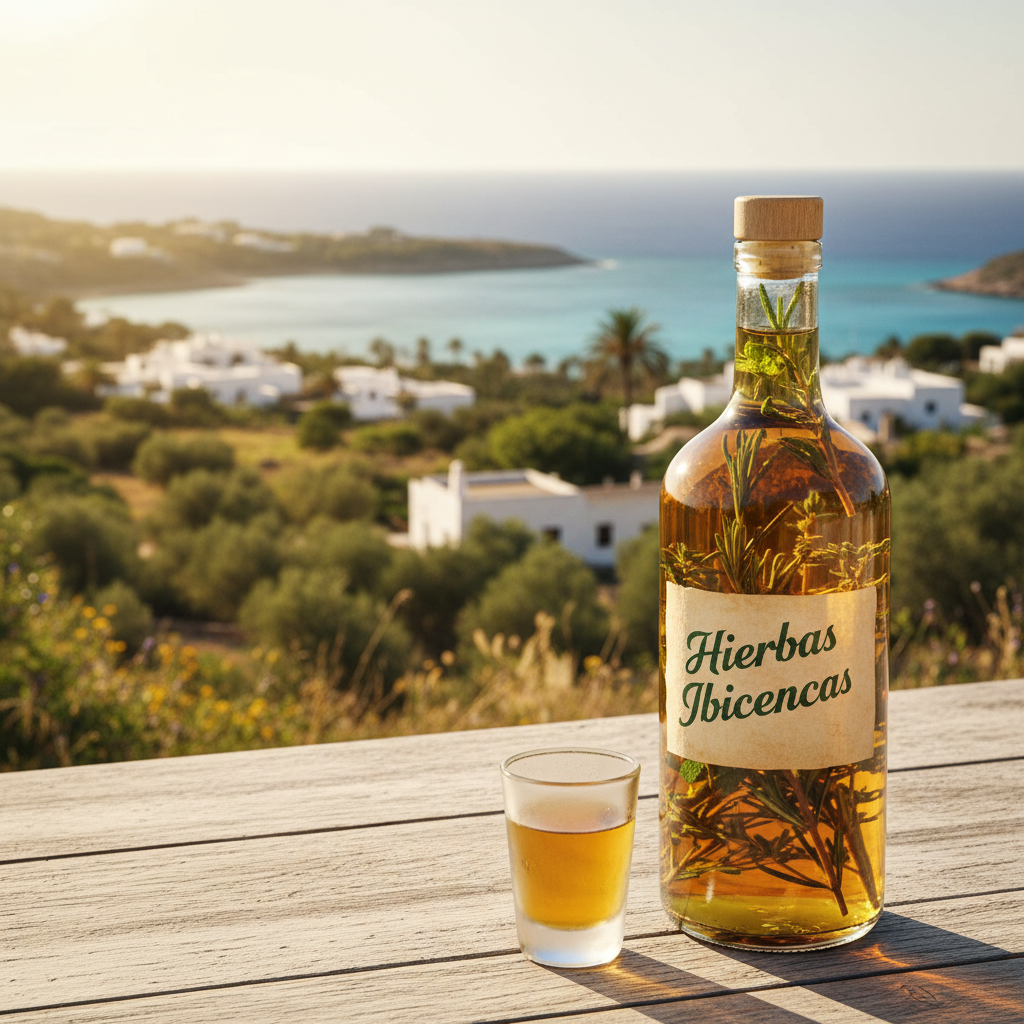
Forget what you think you know about island liqueurs. Hierbas Ibicencas isn't some saccharine, mass-produced concoction designed solely for tourist appeal. It's a deeply ingrained cultural artifact, a testament to Ibiza’s rich botanical heritage and a liquid embodiment of its spirit. From ancient curative remedies to an essential digestivo after a long Ibizan meal, this herbaceous elixir, often simply called "Hierbas" (pronounced YAIR-bas), is a microcosm of the island itself – complex, natural, and utterly captivating.
At its core, Hierbas Ibicencas is an anise-based liqueur infused with a carefully selected blend of herbs, leaves, fruits, and roots, all typically endemic to the Balearic Islands. The exact recipe is often a closely guarded family secret, passed down through generations. While regulations now dictate a minimum alcohol content of 24% and a maximum of 35% by volume, and specific production methods, the tradition far predates any official decree. It’s a story of monks and farmers, of intuition and tradition, and a celebration of the abundant wild flora that carpets the island.
A Tapestry of Flavors: The Botanical Heart of Hierbas
The magic of Hierbas lies in its botanical symphony. While the precise blend varies between producers and family recipes, a core collection of ingredients forms the backbone. Wild rosemary (Rosmarinus officinalis), thyme (Thymus vulgaris), lavender (Lavandula angustifolia), and mint (Mentha piperita) are almost universally present, contributing their characteristic aromatic notes. Lemon verbena (Aloysia citrodora) adds a bright, citrusy lift, while juniper berries (Juniperus communis) – sometimes even the local juniper, Juniperus phoenicea or savina – introduce a piney, slightly peppery complexity.
Beyond these common players, things get interesting. Some distillers incorporate sage (Salvia officinalis) for its earthy, slightly bitter undertones, or eucalyptus leaves for a refreshing, almost medicinal quality. Orange peel, both bitter and sweet varieties, adds further citrus dimensions, while fig leaves impart a subtle, green sweetness. Even the local wild artichoke, Cynara cardunculus, might find its way into certain blends for a distinct, slightly bitter finish. The anise element is crucial, often derived from star anise or green anise, providing that distinctive licorice-like warmth that carries and unifies the various herbal notes.
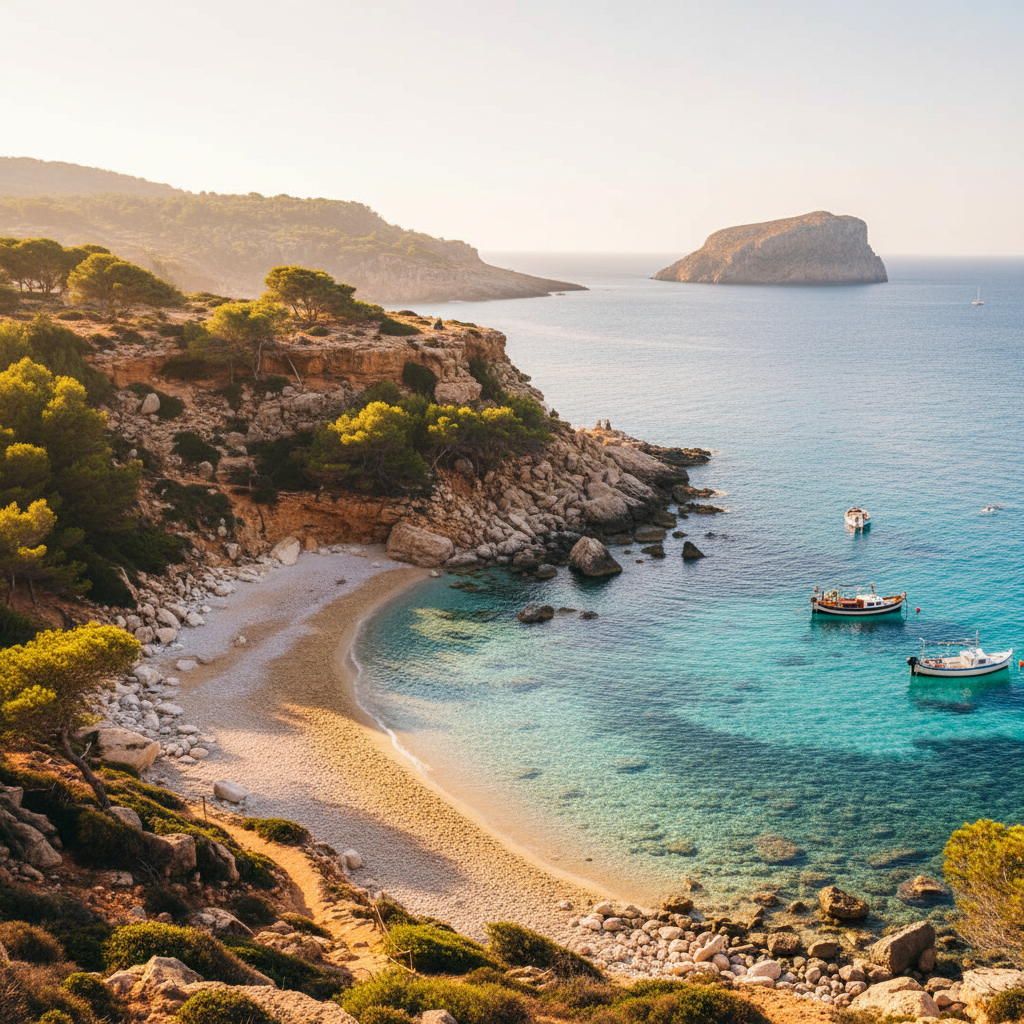
Imagine walking through the campo (countryside) near Santa Gertrudis or Sant Joan in late spring. The air is thick with the scent of wild herbs warmed by the sun. Hierbas captures that essence, concentrating it into a potent, yet surprisingly delicate, liquid. It’s this intimate connection to the island’s natural landscape that truly sets Hierbas apart. It’s not just a drink; it’s a bottled landscape.
A Legacy Steeped in Time: Hierbas Through the Ages
The origins of Hierbas Ibicencas stretch back centuries, far predating the island's modern reputation as a party destination. Its roots are firmly planted in the traditional herbal medicine practices of the Iberian Peninsula, particularly among agrarian communities and religious orders. Monasteries, with their extensive knowledge of botany and distillation techniques, were instrumental in codifying and refining these herbal infusions.
While documentation is sparse from those early centuries, it's widely believed that the Franciscan friars, who had a significant presence on Ibiza during the medieval period, played a key role. Their gardens and apothecaries would have been brimming with the same herbs still found in Hierbas today. These concoctions were primarily valued for their medicinal properties – as digestives, carminatives (to aid in expelling gas), and even tonics. The anise acted as a palatable base, masking the more bitter characteristics of some herbs, while alcohol served as an excellent solvent for extracting active compounds and as a preservative.
Fast forward to the 19th century, and the production of Hierbas moved beyond monastic walls and into family homes. Farmers and their wives would gather wild herbs from the hillsides, infusing them in alcohol, often grape alcohol (brandy or aguardiente) produced locally. Each family would have their own secret blend, adjusted to personal taste and the availability of specific herbs in their particular locality. This cottage industry tradition continued for generations, with Hierbas being brewed and consumed primarily within families and local communities.
The Modern Revival: From Farmhouse Kitchens to Global Recognition
The commercialization of Hierbas Ibicencas, as we know it today, is a relatively recent phenomenon, largely emerging in the 20th century. The story of Hierbas Mari Mayans is emblematic of this transition. Founded in 1880 by Juan Mari Mayans, a pharmacist by trade, this distillery in Sant Rafel de Sa Creu (just off the C-731 road between Ibiza Town and Sant Antoni) was one of the first to systematically produce and bottle Hierbas for wider distribution. Mari Mayans’ pharmaceutical background gave him a unique advantage in understanding the properties and precise proportions of different herbs, elevating the traditional farmhouse recipe to a more refined, consistent product. Today, Mari Mayans remains the dominant force, producing millions of bottles annually.
However, they are not alone. Other commercial producers have emerged, often with their own distinct interpretations. For example, Familia Marí Gallego, based inland near Santa Eulàlia, offers a Hierbas with a slightly different character, often perceived as having a more pronounced citrus and herb profile by locals. Smaller producers, sometimes operating as agro-tourism ventures, also contribute to the market, though their distribution is often limited to local shops and restaurants.
In 1997, Hierbas Ibicencas was granted a Geographical Indication (GI) by the European Union. This recognition was a crucial step in protecting its authenticity and ensuring quality standards. The GI specifies that the liqueur must be produced on the island of Ibiza, adhere to a traditional recipe, and use a defined minimum quantity of specific botanicals. This designation safeguards Hierbas from imitations and elevates its status alongside other protected European specialties.
The Ritual of Enjoyment: How to Drink Hierbas Like a Local
Drinking Hierbas isn't just about consumption; it's a ritual, deeply embedded in Ibizan social fabric. While it can be enjoyed at any time, its primary role is as a digestivo, a post-meal cordial believed to aid digestion.
The Traditional Serve: The most authentic way to enjoy Hierbas is solo, neat, and chilled. After a hearty meal at Es Boldadó near Es Vedrà or a long lunch at Can Pilot in San Rafael, a shot glass of cold Hierbas is almost obligatory. The cold temperature tames the alcohol’s bite and allows the complex herbal aromas to unfurl beautifully on the palate. Many restaurants, especially traditional fincas like Sa Capella, will offer a complimentary shot at the end of your meal. Don't refuse!
On the Rocks: For those who find the neat version too potent, serving Hierbas over a single large ice cube is perfectly acceptable. The slow melt of the ice cube will gradually dilute the liqueur, softening its intensity while still preserving its core flavors. This is a popular choice during warmer evenings, perhaps on the terrace of a bar in Dalt Vila.
The Hierbas "Coffee": A lesser-known but delightful local custom is to add a splash of Hierbas to your post-dinner coffee. A small measure, around 15-20ml, stirred into a strong espresso creates a surprisingly harmonious blend, adding an aromatic, anise-tinged sweetness to the coffee’s bitterness. Perfect for extending that after-dinner conversation at a cafe in Santa Gertrudis.
Cocktail Creations (Approach with Caution!): While Hierbas is traditionally enjoyed neat, its unique flavor profile has slowly started to pique the interest of mixologists. However, a word of caution: its distinct herbal character can easily overpower other ingredients. Simplicity is key. A refreshing highball with Hierbas, a good quality tonic water, and a slice of lemon or orange can be surprisingly good. Some bars, particularly those embracing a more modern, artisanal approach to cocktails – think places like Experimental Beach or Paradise Lost in Sant Antoni – might experiment with Hierbas in more complex concoctions, perhaps alongside gin or vermouth. But for the quintessential Hierbas experience, stick to tradition.
Where to Find Your Perfect Hierbas: From Supermarkets to Specialist Shops
Finding Hierbas on Ibiza is incredibly easy. It's truly ubiquitous.
Supermarkets: Every major supermarket chain on the island – from Mercadona and Eroski to smaller local shops like Es Rebost – will stock a range of Hierbas Ibicencas. Mari Mayans is the most prevalent brand, available in various bottle sizes. Expect to pay around €12-€18 for a 70cl bottle of Mari Mayans, depending on the retailer. Look for the "Hierbas Ibicencas" designation on the label to ensure authenticity.
Liquor Stores and Delicatessens: For a wider selection and potentially more artisanal options, visit dedicated liquor stores (licorerías) or gourmet food shops (delicatessen). Places like La Bodega de Ibiza Town (near the port) or Bodegas Can Rich (a winery that often stocks local products) might carry smaller, less commercially distributed brands, offering a chance to compare different interpretations. Prices for these niche brands might range from €20-€30 for a 70cl bottle.
Direct from the Producer: The most immersive experience is to visit a distillery. The Mari Mayans factory in Sant Rafel de Sa Creu (Carretera Ibiza-San Antonio, Km 7.5) offers tours and a shop where you can purchase their products directly. Similarly, Familia Marí Gallego in Santa Eulàlia (located on the C-733, near the turn-off for Sant Carles) often welcomes visitors to their small shop. Call ahead to check opening hours; these are typically Monday to Friday, 9:00-14:00 and 16:00-19:00. This is an excellent opportunity to learn about the production process firsthand and taste samples.
Restaurants and Bars: As mentioned, most traditional restaurants will offer Hierbas as a digestivo, often complimentary. Many bars, especially those catering to a local clientele, will also have it available. Don't hesitate to ask for "una Hierbas, por favor" after your meal.
Beyond the Bottle: Hierbas in Local Culture
Hierbas isn't just a drink; it's a social lubricant, a symbol of hospitality, and a thread woven into the fabric of Ibizan life.
Family Gatherings: No significant family meal – be it a Sunday lunch, a birthday celebration, or a Christmas feast – is complete without a bottle of Hierbas making an appearance. It signals the transition from eating to relaxed conversation, a leisurely winding down of the gathering. It's often brought out alongside coffee, signifying a moment of shared conviviality.
Festivals and Fiestas: During village festivals (fiestas) in towns like Sant Antoni, Santa Eulàlia, or Sant Joan, you’ll find Hierbas freely flowing. It’s part of the celebration, a way to mark special occasions and forge connections. Local associations often set up stalls offering homemade Hierbas, sometimes even inviting passersby to sample their unique family recipes. You'll often see elderly women selling small, rustic bottles of their own concoctions at craft markets or along the roadside, especially in the north around Sant Carles.
A Taste of Home: For Ibicencos living abroad, or even those who’ve moved to the mainland, a bottle of Hierbas is a highly cherished reminder of home. It evokes memories of sunshine, family, and the unique scent of the island. Many visitors find themselves bringing home a bottle or two as a souvenir, a liquid memory to uncork and savor later.
A Culinary Secret: While less common than its role as a drink, Hierbas can also be found in some traditional Ibizan recipes. A very small dash can be added to certain desserts, particularly those featuring citrus or almonds, to impart a subtle aromatic complexity. Think almond cake (flaó) or even some local honey-based sweets. However, this is more of an expert touch than a common practice, so don't expect to find it on many restaurant menus.
A Perfect Pairing: Hierbas and Local Produce
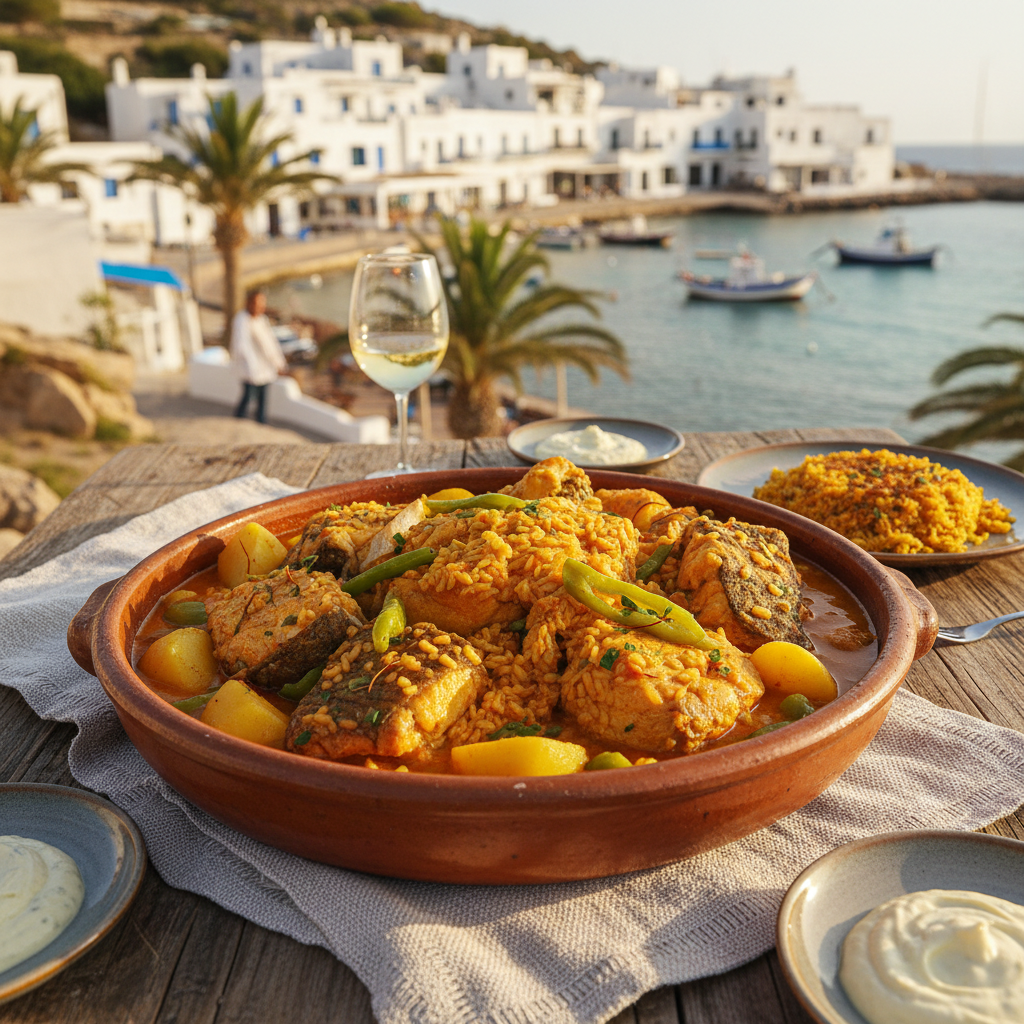
Hierbas, particularly as a digestivo, pairs wonderfully with the rich, often rustic flavors of traditional Ibizan cuisine. After indulging in a hearty bullit de peix (fish stew) near Cala Pescador or a generous platter of arròs de matances (pork and rice dish) at a countryside restaurant in Sant Mateu, the herbal notes of Hierbas cut through the richness and cleanse the palate beautifully.
Consider finishing a meal with Hierbas after enjoying local cheeses – perhaps a sharp formatge de cabra (goat cheese) from a farm near Buscastell – accompanied by dried figs (figues seques) and local honey. The complex flavors of the cheese and the sweetness of the fruit and honey are perfectly complemented by the herbal freshness of the liqueur. It’s a quintessential Ibizan end to any dining experience.
The Future of Hierbas: Preserving Tradition, Embracing Innovation
Hierbas Ibicencas faces the dual challenge of preserving its deep-rooted traditions while also evolving to appeal to new generations and a broader, international market. The Geographical Indication has been instrumental in safeguarding its authenticity. Efforts by tourism boards and local producers are focused on educating visitors about its history and cultural significance, moving it beyond a mere "shots" drink.
There's a growing appreciation for craft and artisanal products, which bodes well for smaller, traditional Hierbas makers. As the island itself becomes more sophisticated in its culinary offerings, there's potential for Hierbas to find its way into more refined cocktail programs and even innovative culinary applications. The key will be to strike a balance: honoring the centuries of tradition that give Hierbas its soul, while subtly adapting its presentation and perception to ensure its longevity.
So, the next time you're enjoying a meal on Ibiza, resist the urge to immediately reach for an espresso. Instead, ask for a chilled Hierbas. Take a moment to savor its intricate flavors, to appreciate the centuries of history and the unique botanicals of the island encapsulated within that small glass. It's more than just a drink; it's a taste of Ibiza's very essence.
For more on Ibiza's culinary treasures, explore our guide to the Essential Dishes of Ibiza. If you're keen to delve deeper into the island's natural bounty, our section on Hiking and Nature Trails might inspire you to discover the very herbs that make this liqueur so special. And to fully embrace the island's unique culture, don’t miss our articles on Hippie Markets and Bohemian Flair. To navigate the island's gastronomic landscape like a seasoned local, check out our insights on Dining like a Local: Ibiza's Best-Kept Culinary Secrets.