Kitesurfing in Ibiza: Schools and Spots
Everything you need to know about kitesurfing in ibiza: schools and spots in Ibiza — practical info, local tips and where to go next.
Ibiza's Wind-Whipped Secret: Kitesurfing on the White Isle
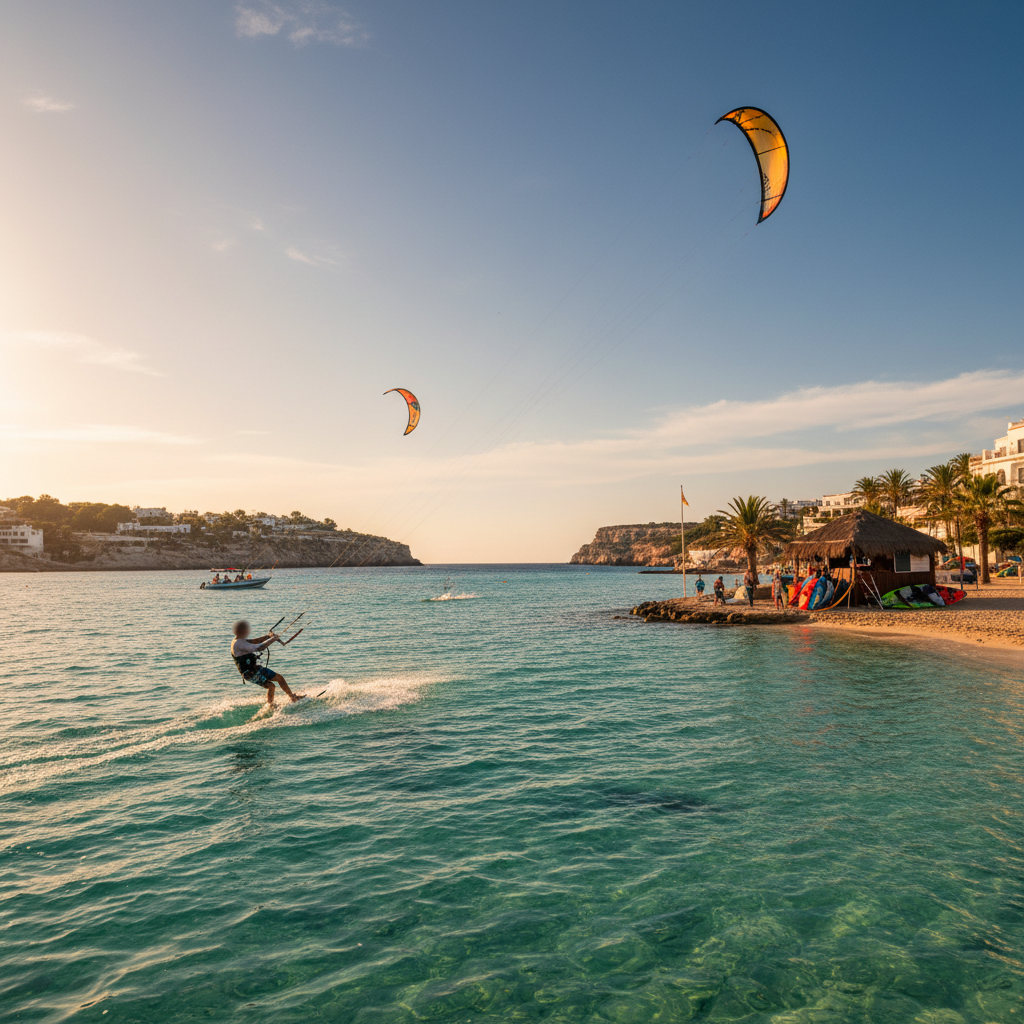
Forget for a moment the superclubs and the sun-drenched beaches brimming with Bossa beats. Look closer at Ibiza’s coastline, especially when the wind picks up, and you’ll see a different kind of energy: the vibrant dance of kitesurfers. While not as universally renowned for kiting as, say, Tarifa or Fuerteventura, Ibiza offers a surprisingly robust and rewarding experience for both seasoned riders and eager beginners. The island’s unique wind patterns, diverse coastline, and a growing community of dedicated instructors make it a prime, albeit somewhat under-the-radar, destination for slicing through the Mediterranean swells. This isn't just a fleeting trend; kitesurfing here is a committed passion, attracting those who crave the thrill of harnessing the wind against a backdrop of unparalleled Balearic beauty.
Understanding Ibiza's Kitesurfing Seasons and Winds
Timing is everything when it comes to kitesurfing in Ibiza. The island experiences two primary wind seasons that dictate optimal conditions:
Spring (April-May) and Autumn (September-October): These are arguably the sweet spots. The thermal winds are less dominant, replaced by more frequent and stronger frontal systems. You’ll often find good WNW or SW winds here. Average wind speeds during these periods can comfortably range from 15 to 25 knots. The water is still warm enough for a shorty wetsuit, or even just board shorts on sunnier days in late spring/early autumn. Crucially, the beaches are less crowded, offering more space to launch, land, and ride without obstruction from bathers. This is also when many of the seasoned local kiters are out in force.
Summer (June-August): While popular for tourism, summer presents a different challenge for kitesurfing. The prevailing wind is often a light, consistent thermal wind from the South-East (known locally as the Embat), typically clocking in at 10-15 knots. This makes it ideal for hydrofoiling or larger kites (12m+), and perfect for beginners learning to body drag or master water starts. However, the biggest hurdle during summer is beach access. Many of Ibiza’s best kiting beaches are heavily frequented by swimmers and sunbathers, leading to strict local regulations and designated summer zones or even outright bans during peak daytime hours (typically 10:00 to 19:00). Early mornings or late evenings become your best bet. Always check with local schools or authorities regarding specific beach regulations before heading out.
Winter (November-March): While possible, winter kitesurfing is best left to experienced riders. Winds can be strong and unpredictable, often accompanied by colder temperatures and choppier seas. However, if you're chasing serious waves and don't mind a full wetsuit, winter can offer some exhilarating sessions on the right swell.
A key piece of local knowledge: many of the best kiting spots are heavily dependent on specific wind directions. A spot that shines in a westerly might be completely unsuitable in an easterly. This is where local insight from schools or experienced riders becomes invaluable.
Top Kitesurfing Spots on the Island: Where the Wind Sings
Ibiza doesn’t have the vast, open bays of some global kitesurfing meccas, but it compensates with diverse, sheltered coves and stretches that, with the right wind, come alive.
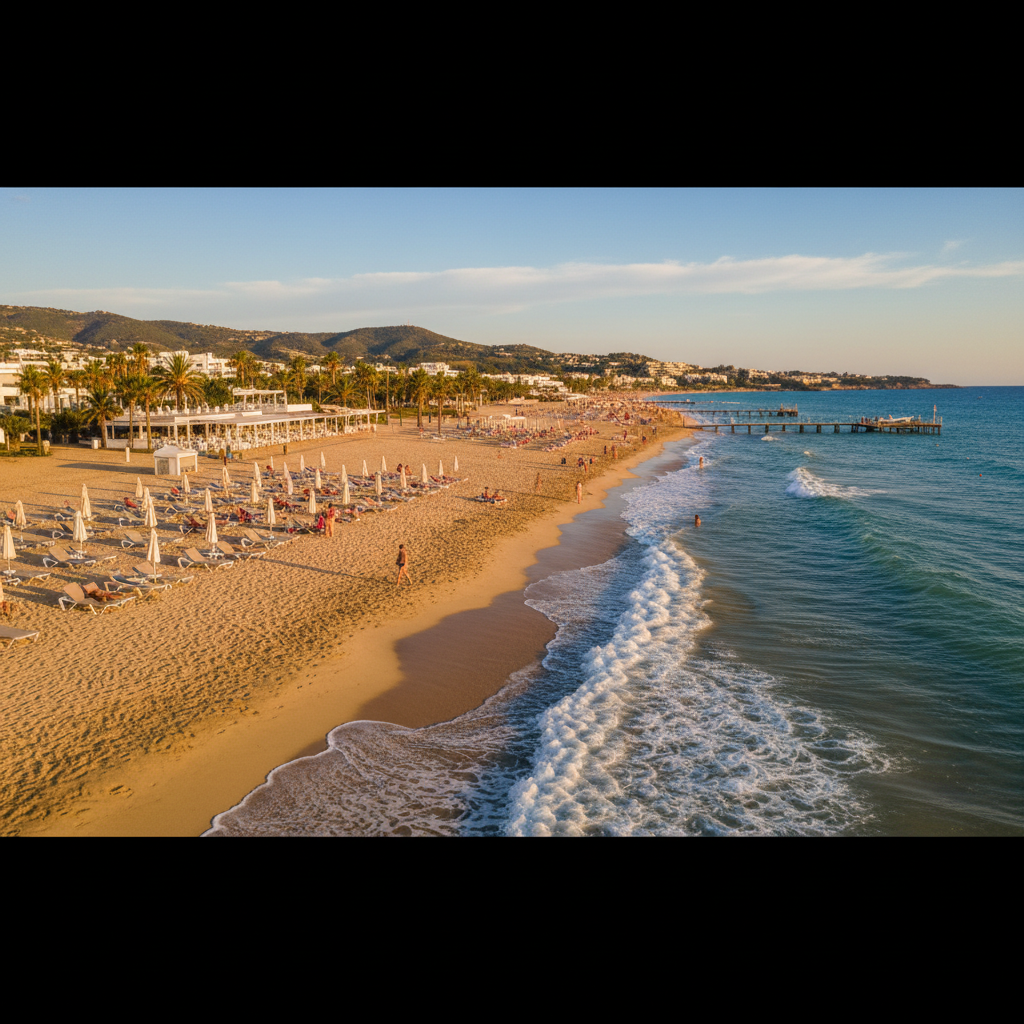
Playa d'en Bossa: Yes, the island's longest and most famous beach, usually associated with clubs like Ushuaïa and Hï Ibiza, occasionally transforms into a kitesurfing playground. During the off-season (October to April), when the beach clears of bathers, Playa d'en Bossa becomes a prime spot, particularly with southerly and south-easterly winds. The long, sandy stretch offers ample room for launching and landing, and the relatively shallow, calm waters close to shore are excellent for learning. Schools often operate here during these quieter months for lessons. During summer, it's largely off-limits due to crowds, but keep an eye out for very early morning sessions if the Embat is strong. You’ll often see schools operating from discreet locations, requiring careful navigation around beach umbrellas. For post-kiting rehydration, you’re spoilt for choice – perhaps a fresh juice from Passion Café or a seafood paella from Nassau Beach Club.
Las Salinas (Es Cavallet – Southern End): This iconic, protected salt flat area, famous for its stunning natural beauty and vibrant salt pans, offers a gem for kitesurfing, specifically at the southern end towards Es Cavallet. With strong southerly or south-westerly winds, conditions can be exceptional. The water is often a mesmerising turquoise, and the backdrop of the nature reserve is truly stunning. However, this is a protected area, and regulations are strict. Kitesurfing is generally permitted during the off-season. In peak summer, access is heavily restricted, and it's mostly for experienced riders who know the specific launch spots and respect the environmental guidelines. Parking can be challenging, especially closer to Es Cavallet. A short walk from the Salines parking area often leads to the less crowded kiting zones. Consider a post-session sundowner at Sa Trinxa on Es Cavallet, a classic Ibizan beach bar.
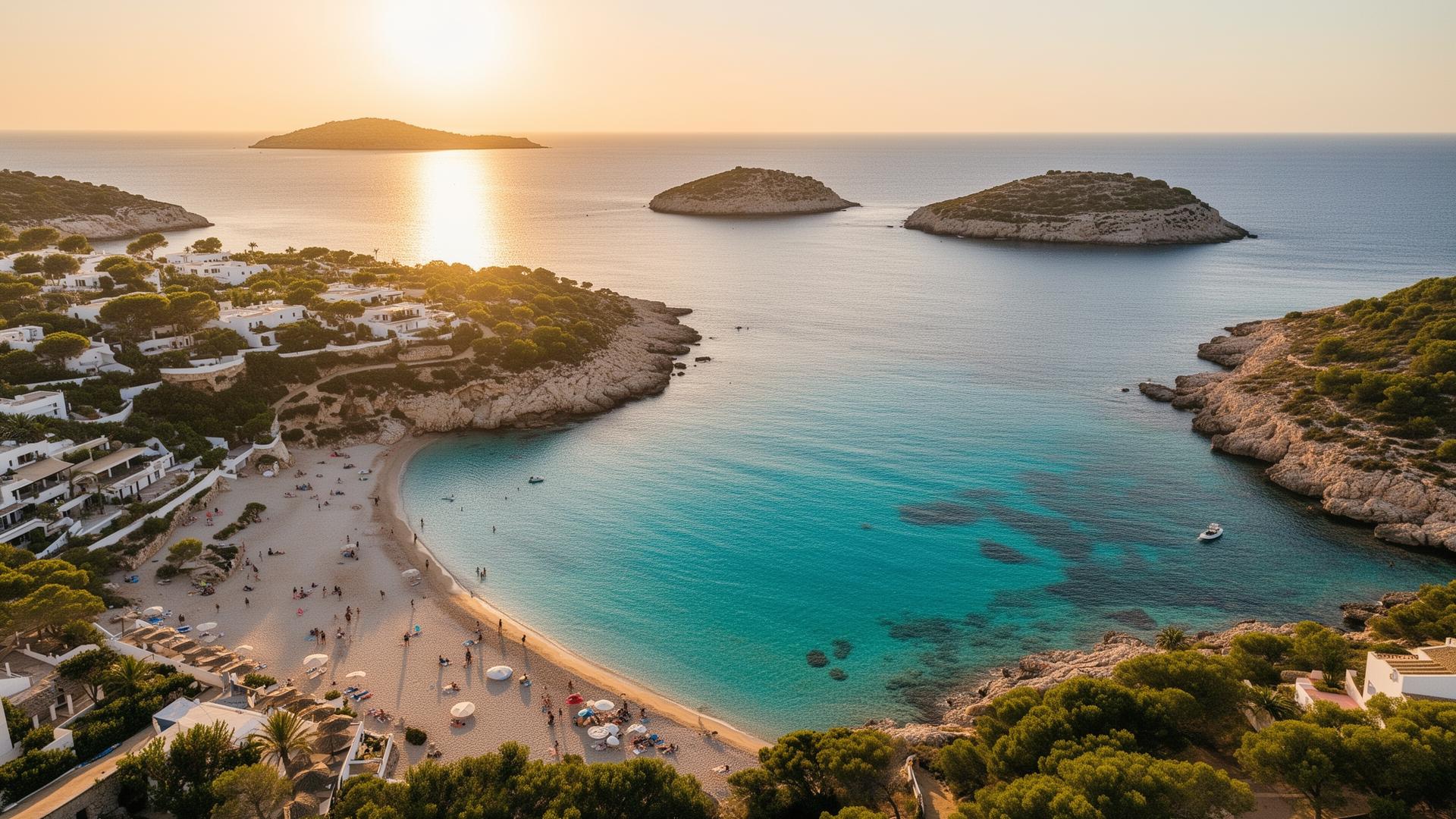
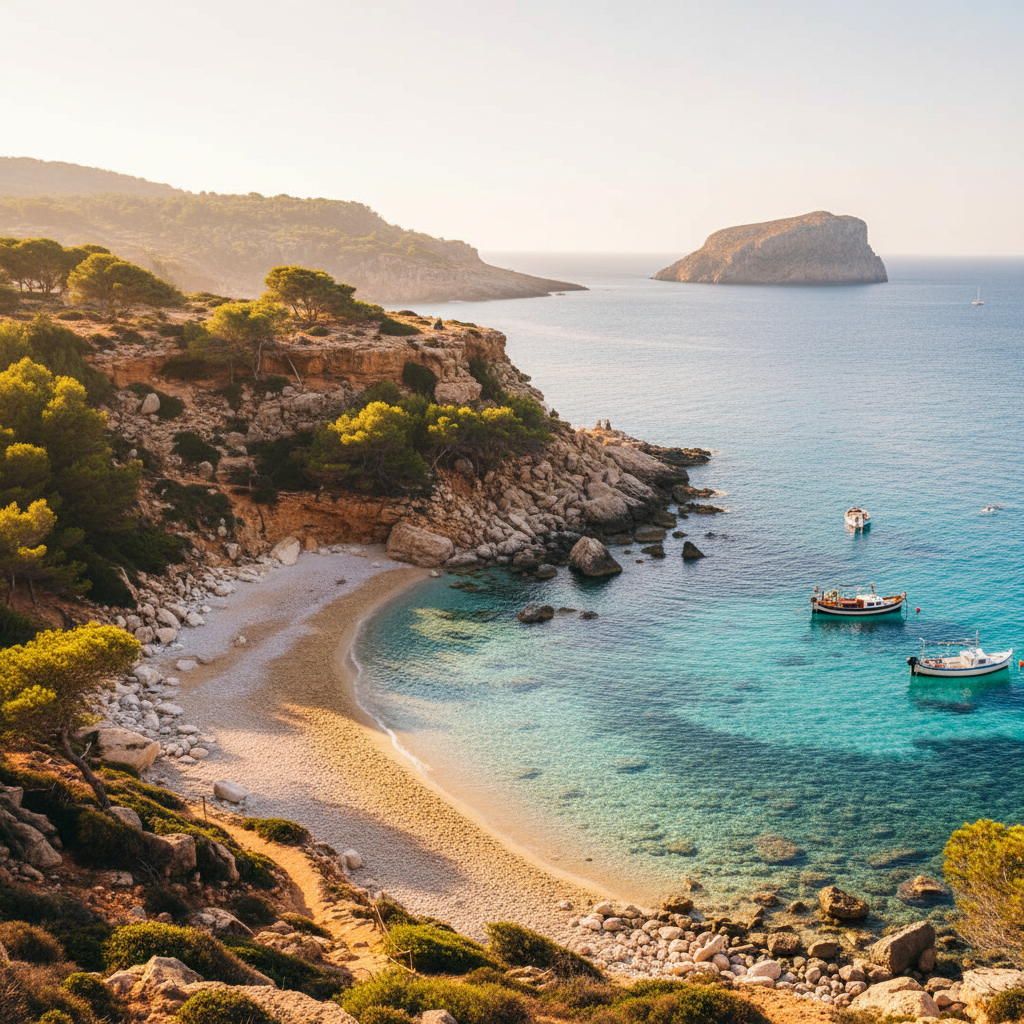
Cala Conta (Cala Conta Nord): More of a secret spot and definitely for experienced riders. When a strong westerly or north-westerly wind blows, Cala Conta Nord (the northernmost bay, often less crowded than the main beach) can offer exhilarating, choppy conditions and even some small waves. The launch area is small and rocky, requiring precise kite handling. The scenery, however, is absolutely breathtaking, with crystal-clear waters and rocky islets. This is not a beginner's spot, and it’s critical to be aware of any submerged rocks. Parking is available, but space is limited. There are a few excellent restaurants nearby like Sunset Ashram, perfect for watching the sun dip below the horizon after a gnarly session.
S’Estanyol: This small, picturesque cove near the village of Santa Eulalia is another off-season favourite, especially with easterly or north-easterly winds. It's often quieter than the more mainstream beaches and offers a more intimate kiting experience. The launch area is compact, and there can be some submerged rocks, so local knowledge or a spot check is essential. The water is often flat, making it good for freestyle. The charming Restaurant Cala Es Portitxol is right on the beach, offering excellent, fresh seafood, a great reward after a session.
Port des Torrent (West Coast): During specific wind conditions (often WNW or NNW), Port des Torrent, a sheltered bay on the west coast, can provide some rideable conditions. It's generally a calmer bay, but the exposed part can offer good swell. Limited space for launching and landing means it's usually only suitable in very low traffic periods.
Finding Your Wings: Kitesurfing Schools in Ibiza
For anyone keen to learn or refine their skills, Ibiza has dedicated, professional kitesurfing schools. These aren't just fly-by-night operations; they are typically IKO (International Kiteboarding Organization) affiliated, ensuring high standards of safety and instruction. They'll provide all the necessary gear, from kites and boards to wetsuits and safety equipment.
Ibiza Kitesurfing Club (IKC): Location: While they operate island-wide, their primary base and teaching grounds in the shoulder seasons are centered around Playa d'en Bossa and occasionally Salinas, depending on wind conditions. They have a mobile setup to chase the best wind. Offerings: They offer everything from taster sessions (€90 for 2 hours) to comprehensive IKO Level 1, 2, and 3 courses (e.g., a 9-hour beginner course over 3 lessons for €450-€550, including all gear), as well as advanced coaching and hydrofoil lessons. Their instructors are multilingual and highly experienced. Ethos: Known for their friendly approach and deep local knowledge of wind patterns and optimal spots. They place a strong emphasis on safety and adapting lessons to individual progress. Booking in advance, especially during the shoulder seasons, is highly recommended.
Kiteexperience Ibiza: Location: Similar to IKC, Kiteexperience is mobile and flexible, often operating from Playa d'en Bossa or other suitable spots determined by the day's wind forecast. Offerings: They provide private and semi-private lessons, ensuring focused instruction. A 3-hour private lesson might cost around €190-€220, while semi-private (2 students, 1 instructor) is closer to €130-€150 per person. They also offer equipment rental for experienced riders (€70-€90 for a full day, kite and board). Ethos: Emphasises personalised coaching and small group sizes for faster progression. They are very responsive and flexible with scheduling, often able to adapt to last-minute wind shifts.
What to Expect from a Lesson:
- Safety First: You'll start with fundamental safety protocols, understanding wind windows, and self-rescue techniques, often on the beach using a trainer kite.
- Theory & Practice: You’ll learn about kite dynamics, setup, launching, and landing.
- Body Dragging: Moving into the water, you'll master body dragging – using the kite's power to propel you through the water without the board.
- Water Start: The holy grail for beginners – getting up onto the board and riding your first meters.
- Independent Riding: With progression, you'll learn to ride consistently, change direction, and potentially even attempt your first jumps.
Remember, kitesurfing is a skill that takes time to develop. Patience and persistence are key. Most schools will suggest a minimum of 6-9 hours of instruction to get you to the point of independent riding in ideal conditions.
Gear Up: Rentals and Retailers
While most schools include equipment in their lesson packages, seasoned kiters who travel light or those who've completed courses might be looking for rentals or even new gear.
Rentals: Both Ibiza Kitesurfing Club and Kiteexperience Ibiza offer full equipment rental packages for experienced riders. Pricing typically ranges from €70-€100 per day for a complete set (kite, board, harness). Availability can be limited, especially for specific kite sizes, so always book ahead. You’ll need to prove proficiency (e.g., IKO card Level 3) before being allowed to rent independently for safety reasons.
Retailers: Ibiza doesn't have a large, dedicated kitesurfing pro shop with rows of fresh gear. Most sales of new equipment happen directly through the schools, who often have demonstration models or can order specific brands. For smaller accessories, wetsuits, harnesses, or quick repairs, you might find some surf shops in Santa Eulalia or San Antonio carrying a limited selection, but for serious gear investments, ordering online or coordinating with the schools is the most practical approach.
Beyond the Beach: Complementary Activities for Kitesurfers
Kitesurfing might be the main draw, but Ibiza offers plenty to keep you engaged both on and off the water, enhancing your kitesurfing holiday.
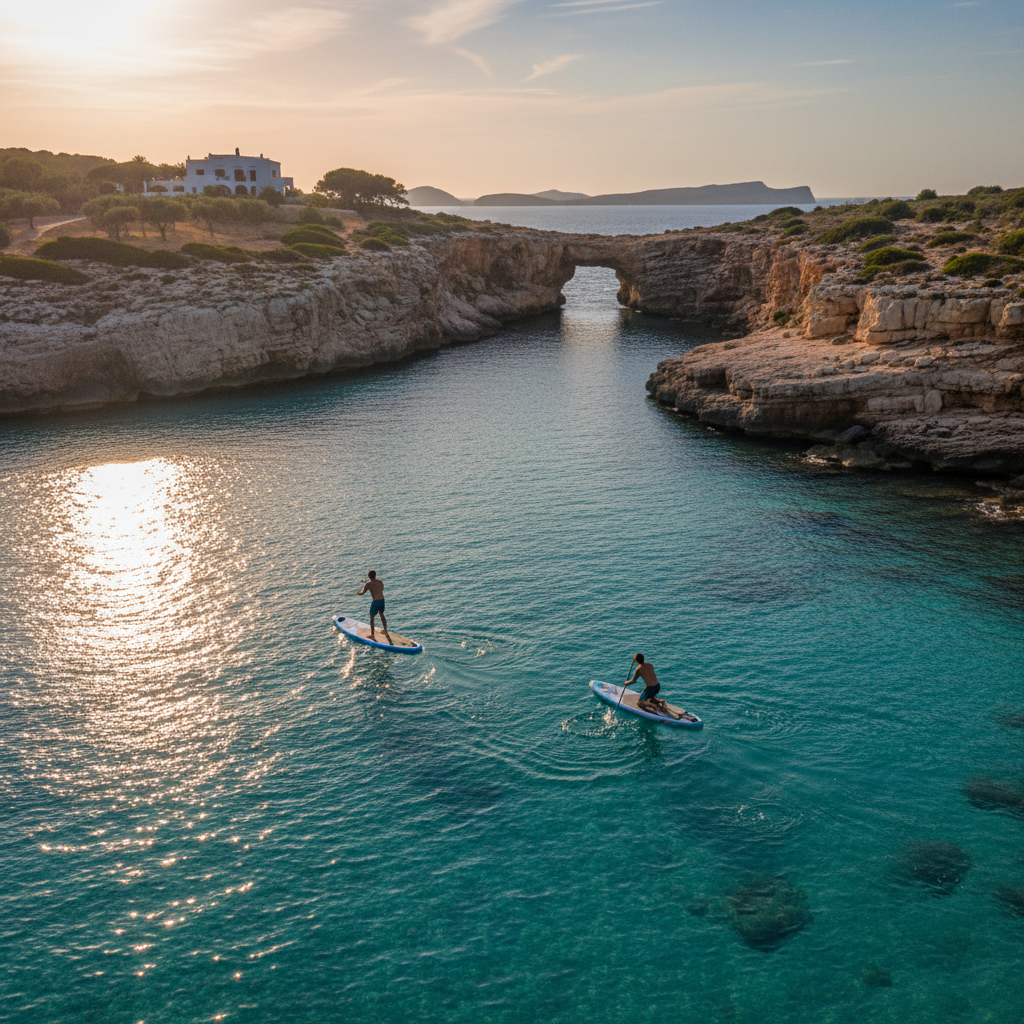
- SUP and Kayaking: On no-wind days, exploring Ibiza’s hidden coves and pristine waters by stand-up paddleboard or kayak is a fantastic alternative. Many beaches and watersports centers offer rentals. Try Cala Llonga or Portinatx for calmer waters. [Link: /articles/ibiza-kayaking-paddleboarding]
- Hiking and Biking: The island's rugged interior and coastal paths offer spectacular views and a great way to stay fit. Explore the trails around Santa Agnès de Corona or the cliffs near Es Vedrà. [Link: /hubs/hiking-nature]
- Yoga and Wellness: Ibiza is a global hub for wellness. Many hotels and dedicated centers offer yoga, Pilates, and massage, perfect for stretching out those kiting muscles. Consider a restorative session at a studio in Santa Gertrudis or a beachfront class in Cala Llonga. [Link: /hubs/wellness-yoga]
- Culinary Delights: Refuel with Ibiza’s diverse culinary scene. From fresh seafood bullit de peix in a traditional chiringuito to modern Mediterranean fusion, the island caters to all tastes. Don't miss a sundowner cocktail and fresh fish at an establishment like Es Boldado above Cala d'Hort. [Link: /hubs/food-drink]
- Explore Formentera: A short ferry ride (approx. €30-€40 return from Ibiza Town, 30 minutes) to Formentera opens up even more kitesurfing potential, especially in the Estany Pudent lagoon, which is very shallow and ideal for learning, though again, strict regulations apply during peak season. [Link: /hubs/formentera]
Accommodations for the Kitesurfing Enthusiast
While there aren't dedicated "kitesurfing hotels," certain areas offer strategic advantages for easy access to the best spots and schools.
- Playa d'en Bossa: If you're a beginner or planning lessons during the shoulder seasons, staying here makes logistical sense. Hotels like Hard Rock Hotel Ibiza or Ushuaïa Ibiza Beach Hotel are right on the beach, though more budget-friendly options exist slightly further back. You'll be within walking distance of many schools' summer bases and off-season kiting zones.
- Santa Eulalia: For a more relaxed base with good access to S’Estanyol (a 10-15 minute drive), Santa Eulalia offers a range of hotels from family-friendly resorts to boutique stays. The W Ibiza offers stylish beachfront accommodation, while the Argos Hotel is a reliable mid-range option.
- Rural Stays (Agroturismos): For those with a rental car seeking tranquility and a central base to reach various wind-dependent spots, an agroturismo in the heart of the island like Sa Talaia or Can Lluc offers a beautiful retreat. You’ll be 15-30 minutes from most kiting beaches, enjoying peace and quiet after an exhilarating day on the water. This also puts you in prime position to explore different beach options depending on the wind forecast.
Respecting the Island: Regulations and Etiquette
Ibiza is a beautiful, ecological sensitive island, and its authorities are keen to protect its natural resources and ensure the safety of all beach users.
- Summer Restrictions: Be acutely aware of the "no Kitesurfing" zones and hours during summer (typically 10:00-19:00 in crowded areas). Fines can be significant (€300+). Always check with local schools or the Guardia Civil (Marine Unit) for the most up-to-date information.
- Protected Areas: Areas like Salinas and Es Cavallet are natural parks (Parc Natural de ses Salines). Stick to designated launch zones, avoid riding over seagrass beds (posidonia oceanica, vital for marine ecosystems), and leave no trace.
- Right of Way: Familiarize yourself with international kitesurfing right-of-way rules to avoid collisions.
- Local Community: Be friendly, respectful, and integrate with the local kiting community. They are a wealth of knowledge and often the best source for current conditions and spot advice.
Kitesurfing in Ibiza is more than just a sport; it's an immersive experience that connects you with the raw, elemental beauty of the island. While it demands adaptation to regulations and wind conditions, the reward is an unparalleled sense of freedom and exhilaration, often shared with a tight-knit community, against a postcard-perfect backdrop. Pack your kite, check the forecast, and prepare to discover a powerful, wind-swept side of Ibiza you never knew existed.