3 Classic Sailing Routes Around Ibiza
Everything you need to know about 3 classic sailing routes around ibiza in Ibiza — practical info, local tips and where to go next.
Charting the Balearic Jewels: Three Iconic Sailing Routes from Ibiza
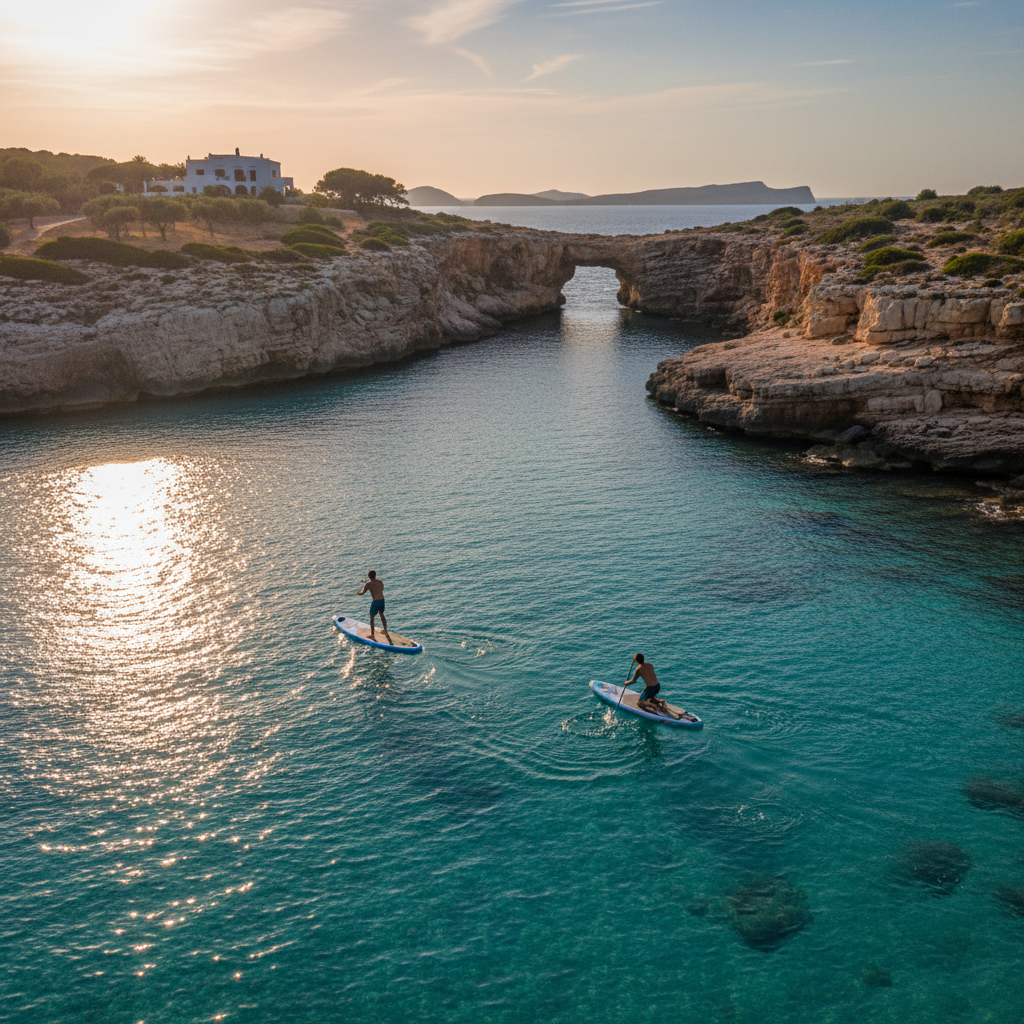
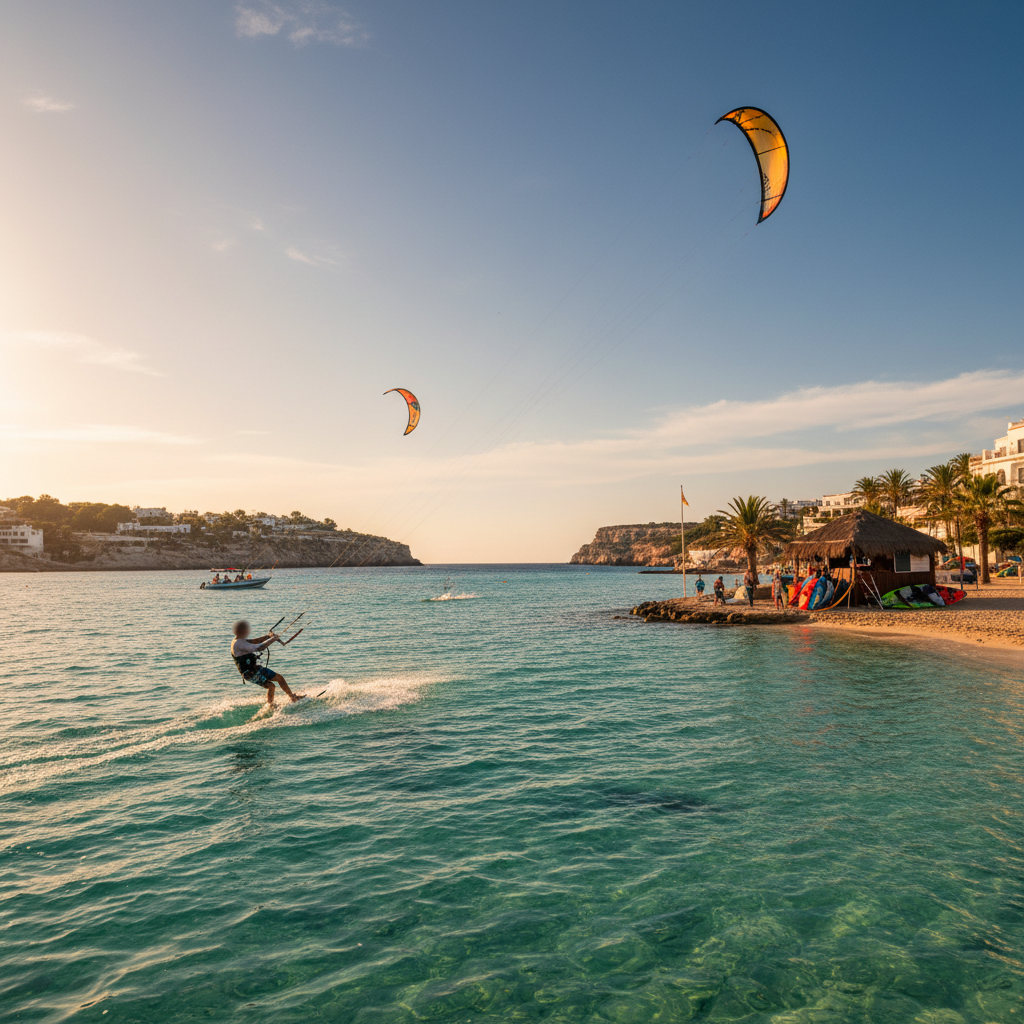
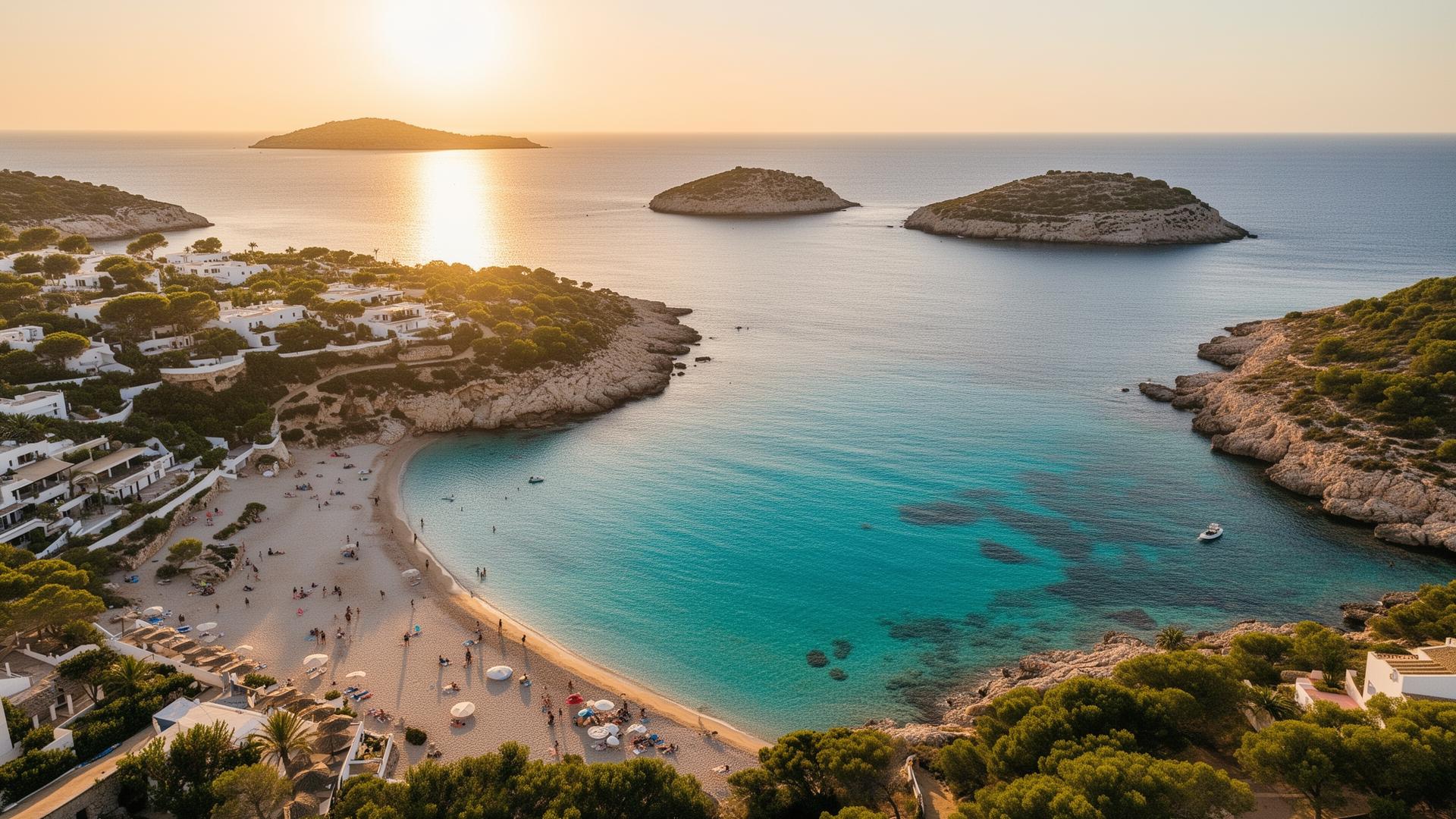
Ibiza, an island renowned for its vibrant energy and breathtaking natural beauty, truly reveals its soul when viewed from the shimmering turquoise canvas of the Mediterranean. Beyond the well-trodden shores, a world of secluded coves, ancient islets, and mesmerizing sunsets awaits those who choose to explore by sail. This isn't just about reaching a destination; it's about the journey itself – the rhythm of the waves, the thrill of the wind in your sails, and the discovery of hidden gems accessible only by boat.
As an islander deeply intertwined with the sea, I've spent countless hours navigating these waters, uncovering the nuances of its currents, winds, and secret anchorages. Forget the pre-packaged excursions; these are three classic, in-depth sailing routes designed for those with a true appreciation for maritime exploration, offering a blend of iconic sights and secluded tranquility. We'll delve into each, providing practical details, local insights, and recommendations to ensure your journey is not just memorable, but truly authentic.
Route 1: The Southern Seaboard Escape – Es Vedrà & Cala d'Hort Mystique
This route is quintessential Ibiza, offering a mesmerizing blend of iconic landmarks, profound natural beauty, and inviting anchorages. It’s perfect for a day trip or a leisurely two-day adventure, appealing to sailing enthusiasts and those seeking the island’s spiritual heart.
Starting Point & Initial Bearing: We'll typically depart from San Antonio Bay (Sant Antoni de Portmany), capitalising on its excellent marina facilities (/hubs/watersports) and often favourable morning breezes. From San Antonio, set a course south-southwest. The initial leg is a delightful open sea sail, allowing you to get accustomed to the rhythm of the Balearics.
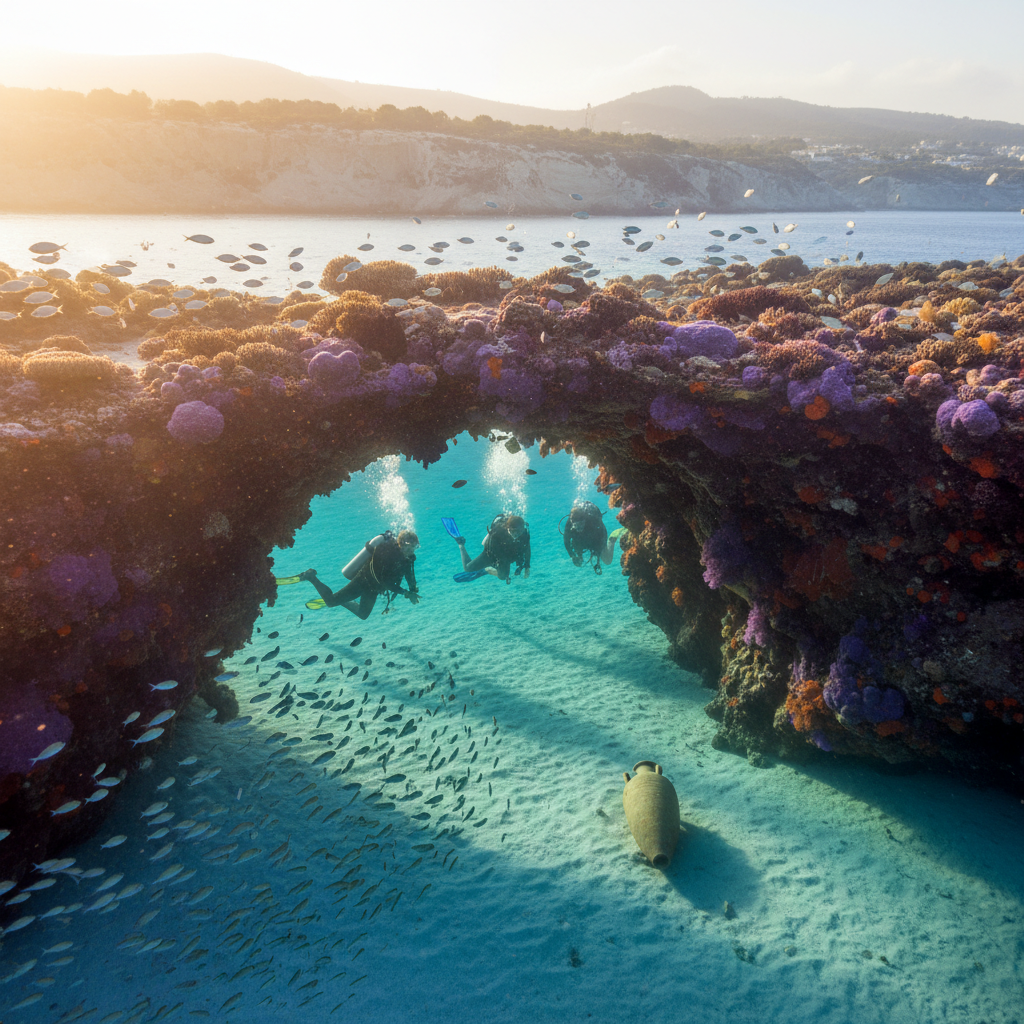
Leg 1: Cala Conta & Cala Bassa – A Taste of Aquatic Perfection Your first major landmark, roughly 7-8 nautical miles (approx. 13-15 km) from San Antonio, will be the stunning trio of Cala Conta (Platges de Comte). Anchorage here is relatively straightforward in settled summer conditions, with sandy patches at 5-10 meters depth. Find a spot just off the main beach or, for a quieter experience, a bit further west towards the small islets of Illa des Bosc and s'Espartar. The water here is undeniably some of the clearest you’ll find anywhere, perfect for a refreshing dip or snorkeling amongst schools of damselfish.
Local Insight: If you're planning on dining ashore, Sunset Ashram at Cala Conta, while popular, offers incredible views and surprisingly good, albeit slightly pricey, Indian-fusion cuisine. Expect to pay around €30-€40 per person for lunch with a drink. For a more relaxed, but equally scenic alternative, consider anchoring further round into Cala Bassa, where the famous CBbC Restaurant offers beach club vibes and excellent fresh seafood. Dinghy ashore is easy here.
Leg 2: Rounding Cala Tarida & Cala Vedella – Hidden Coves and Serenity Continue south past Cala Conta, hugging the coastline towards Cala Tarida. This stretch offers numerous small, unnamed coves ideal for a quick, private swim stop, though most are rocky. Cala Tarida itself is a larger, more developed bay, popular with families, with excellent sandy anchorage at 6-8 meters. It's a convenient spot for provisioning small items or grabbing an ice cream from one of the beachfront kiosks.
Further south, Cala Vedella (Cala Vadella) unfolds as a picturesque, deep cove, sheltered from most winds. This is a favorite overnight anchorage for many local sailors due to its protection and charming vibe. The holding is excellent on sand, typically 5-10 meters. The small village ashore has a few low-key, family-run restaurants. Maria Luisa is a classic choice for traditional Ibizan fish dishes, where dinner might cost €25-€35 per person. Don't miss the chance to catch the sunset from the boat here; it's often overlooked but truly beautiful.
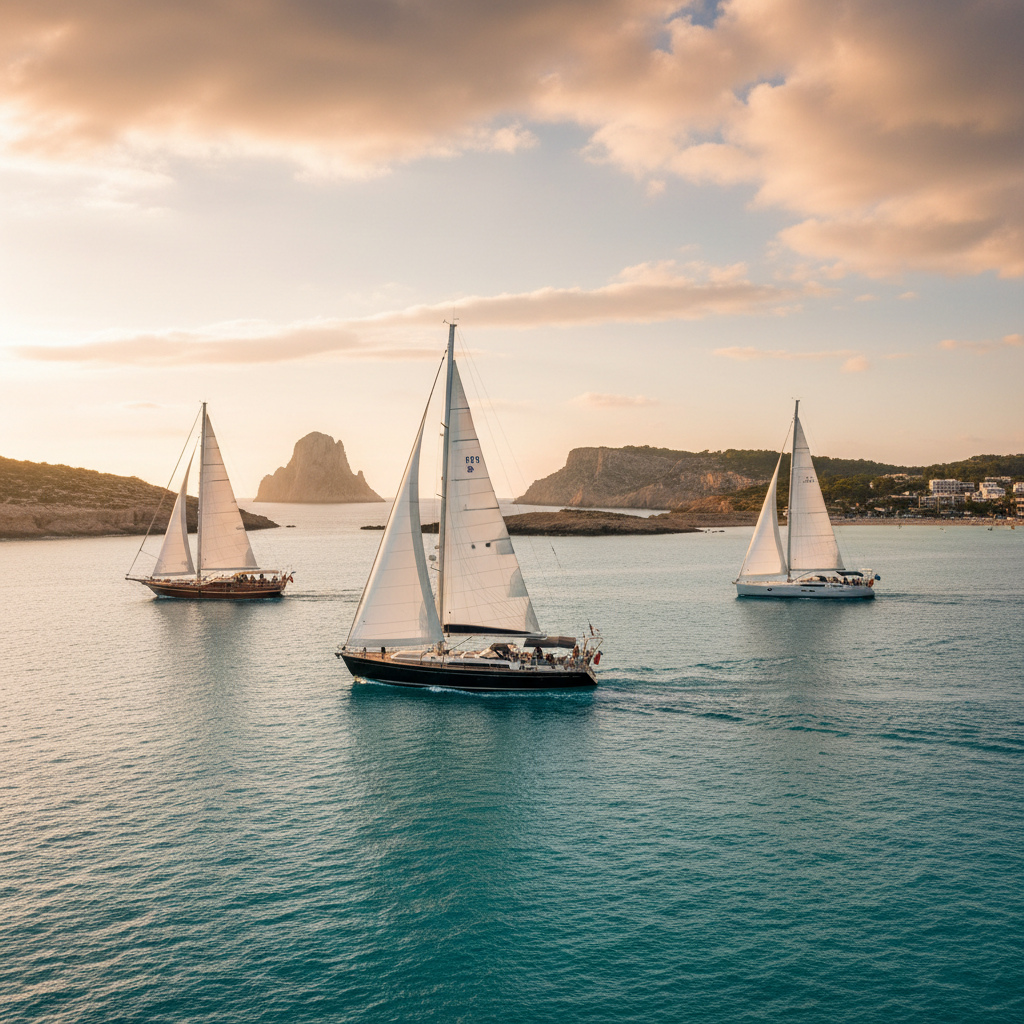
Leg 3: The Es Vedrà Enchantment – Mysticism and Grandeur This is the highlight of the route. From Cala Vedella, set a course towards the southwest, and the imposing silhouette of Es Vedrà will soon dominate the horizon. This iconic, uninhabited rock island, soaring almost 400 meters out of the sea, is steeped in myth and legend. Legend has it that it's the third most magnetic spot on Earth, a UFO landing site, and home to sirens. Regardless of belief, its sheer presence is awe-inspiring.
Sailing Strategy: As you approach Es Vedrà, respect the currents, which can be quite strong around the rock. Maintain a safe distance of at least 100-200 meters. There are no safe anchorages directly at Es Vedrà due to the depth and exposed nature. Instead, sail slowly around its base, taking in its majestic cliffs and sparse vegetation. Keep an eye out for peregrine falcons nesting on its ledges.
Final Anchorage: Cala d'Hort – The Perfect Vantage Point After circumnavigating Es Vedrà, head northeast a short distance to Cala d'Hort. This is the quintessential anchorage for experiencing Es Vedrà's magic at sunset. Find your spot on sand at 6-12 meters, ensuring you have enough swing room. The bay can get busy in high season, so arrive by late afternoon.
The views of Es Vedrà and its smaller sibling, Es Vedranell, from Cala d'Hort are legendary. Ashore, Es Boldadó Restaurante is a higher-end option with spectacular views and excellent seafood (expect €50-€70+ per person for dinner). For a more rustic, classic experience, Restaurante Cala d'Hort offers similar fare in a more casual setting, typically €35-€50 per person. Watching the sun dip behind Es Vedrà from your cockpit, with a glass of local wine, is an unforgettable experience.
Return Journey: From Cala d'Hort, it’s approximately 10 nautical miles (18.5 km) back to San Antonio, typically a pleasant downwind sail in the evening breeze.
Route 2: Northern Serenity & Ancient History – Portinatx to Benirràs
This route peels back the layers of Ibiza’s wild north, revealing a rugged coast, pine-clad hills, and a more bohemian, untouched vibe. It’s ideal for those seeking tranquility, unspoiled nature, and a connection to more traditional Ibizan culture. This is best enjoyed over 2-3 days to fully appreciate the slower pace.
Starting Point & Initial Bearing: We'll usually recommend starting this route from Santa Eulalia del Río, which boasts a modern marina with excellent facilities and is well-positioned for exploring the northern coast. From Santa Eulalia, set a generally northbound course, keeping the island on your port side.
Leg 1: Tagomago & Cala San Vicente – Offshore Isle and Secluded Bay Your first significant landmark after a pleasant 6-7 nautical mile (11-13 km) sail will be Tagomago, a private island off the northeast coast. While you can't land here, sailing around its western side offers stunning views of its dramatic cliffs and the lighthouse. The waters in this area are famously clear and deep.
From Tagomago, head west towards Cala San Vicente (Cala Sant Vicent). This large, well-protected bay is one of the more developed on the north coast, but retains a charm. Anchorage on sand here, typically 6-10 meters. It's a great spot for a swim and a walk ashore. Can Gat is a local favorite, renowned for its fresh fish grilled simply on wood fire – a true taste of traditional Ibiza. Dinner here can be around €30-€45 per person.
Local Insight: While sailing past the northeast tip, keep an eye out for the ancient Phoenician settlement of Sa Caleta (/hubs/culture-history) on the headland, though it's not directly accessible by dinghy from this route, its historical significance permeates the coastline.
Leg 2: Portinatx & the Northernmost Reaches – Wild Beauty Continue westward along the northern coast. This stretch is characterized by dramatic cliffs, inaccessible coves, and dense pine forests tumbling down to the sea. Portinatx emerges after another 5-6 nautical miles (9-11 km). This is the largest resort in the north, offering good provisioning options and several decent restaurants.
There are three main bays in Portinatx: Cala Portinatx, Cala s'Arenal Gros, and Cala s'Arenal Petit. For anchorage, Cala Portinatx offers the best shelter in most southerly or westerly winds, with good sandy patches at 8-12 meters. Take your dinghy ashore and explore the small lighthouse walk, offering panoramic views of the rugged coastline stretching up to the northernmost point of Cap des Moscarter with its distinctive spiraling lighthouse.
Leg 3: Cala Xuclar & Cala Xarraca – Untouched Coves and Tranquility Moving south-west from Portinatx, you’ll encounter some of Ibiza’s most pristine and undeveloped coves. Cala Xuclar is a tiny, incredibly charming bay, often overlooked. It's an ideal spot for a secluded lunch stop and swim, with decent anchorage in 4-6 meters on sand, though it can feel a bit exposed in strong northerlies. There's a single, rustic chiringuito here (often only open in high season) serving simple, honest fare.
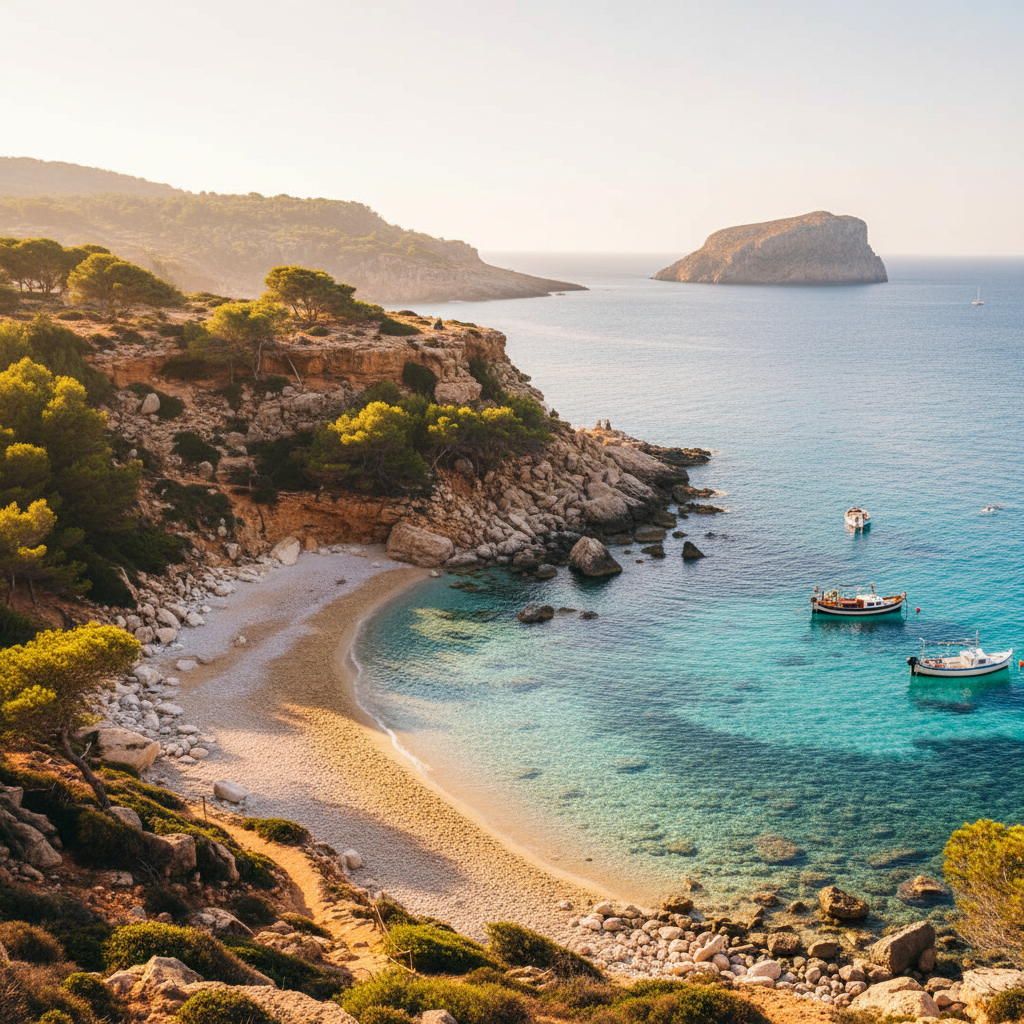
Just south of Xuclar lies Cala Xarraca, another breathtaking cove, renowned for its crystal-clear waters and rocky outcrops perfect for snorkeling. Similar to Xuclar, anchorage is possible on sand in 5-8 meters. This area is a snorkeler's paradise, with abundant marine life around the rocks. Neither of these coves offers much in the way of shore facilities, which is precisely their charm. They embody the wild, untamed spirit of northern Ibiza.
Leg 4: Benirràs – Sunset Drums and Bohemian Vibes The final destination on this route is the iconic Cala Benirràs, approximately 7-8 nautical miles (13-15 km) from Portinatx. Approach with caution: the bay itself is quite deep and anchorage can be tricky, often requiring anchoring in 10-15 meters on a mixed sand and rock bottom. Be mindful of swing room, especially if staying overnight.
Benirràs is famous for its Sunday sunset drumming sessions, a tradition that draws hundreds. While the beach can be crowded, experiencing the drumming from your boat, with the sun setting behind the "Finger of God" rock formation, is a truly magical and less-crowded alternative. Ashore, Elements Ibiza offers a more upscale dining experience for €40-€60 per person, while the rustic Chiringuito Benirrás serves simpler seafood and salads.
Return Journey: From Benirràs back to Santa Eulalia is approximately 10 nautical miles (18.5 km), a straightforward sail, often with a favorable evening breeze.
Route 3: The Formentera Enchantment – Pure Turquoise and Secluded Coves
This route is obligatory for any serious sailing itinerary from Ibiza. Formentera, Ibiza’s pristine little sister, is a jewel of the Mediterranean, famous for its impossibly turquoise waters and untouched feel. This route focuses on experiencing the best of Formentera's natural beauty by sea, ideally over 2-3 days.
Starting Point & Initial Bearing: The most logical departure point for Formentera is Ibiza Town (Eivissa), specifically Marina Botafoch or Marina Ibiza. This positions you perfectly for the short, but often exhilarating, 10-12 nautical mile (18.5-22 km) crossing to Formentera.
Leg 1: The Espalmador Passage & Ses Illetes – Azure Perfection From Ibiza Town, set a course south-southeast. Your first breathtaking sight will be the narrow channel between Ibiza and Formentera, leading into Espalmador. This privately owned, uninhabited island is a nature reserve and a sublime anchorage. The passage itself can have strong currents, so navigate carefully.
Anchor in the incredibly shallow, crystal-clear waters between Espalmador and Formentera (the Pas de s'Espalmador), or find a spot on the western side of Espalmador, near the famous mud baths (though now discouraged for environmental reasons, they are still a landmark). Depths here range from 2-6 meters over pure white sand. Take your dinghy ashore and walk along the pristine white sands of Platja de s'Alga on Espalmador.
Immediately south of Espalmador lies the internationally acclaimed Ses Illetes, arguably one of the most beautiful beaches in the world (/hubs/beaches). Its waters are a kaleidoscope of blues and greens. While incredibly popular, anchoring your boat here gives you a front-row seat to its splendor. Expect numerous other boats. There are a few famous beach restaurants like Es Molí de Sal (reservations essential, €70-€100+ per person for lunch) or the slightly more casual Juan y Andrea (also premium pricing). Both can get crowded; consider picking up a mooring buoy if available, or anchoring further out to avoid the ferry traffic.
Local Insight: Ferry services run frequently between Ibiza and Formentera (/hubs/formentera). While sailing is infinitely better, it's good to be aware of the ferry routes, especially in the channel and around Ses Illetes.
Leg 2: Cala Saona & Cap de Barbaria – Rugged Cliffs and Famous Lighthouse From Ses Illetes, sail south-west, passing the bustling port of La Savina (useful for provisioning or refueling, but not an aesthetic anchorage). Continue along the western coast of Formentera towards Cala Saona, approximately 5-6 nautical miles (9-11 km) from Ses Illetes.
Cala Saona is a sheltered, picturesque bay with vibrant orange-red cliffs and clear, sapphire waters. It offers excellent sandy anchorage at 5-10 meters, often protected from prevailing easterly winds. It's a perfect spot for an overnight stay. Ashore, Restaurante Cala Saona offers traditional fresh fish with lovely views, expecting to pay €35-€50 per person.
From Cala Saona, a short sail-by further south will take you past the striking cliffs leading to Cap de Barbaria. While there's no safe anchorage directly at the cape, sailing past allows you to admire the dramatic coastline and the iconic lighthouse perched precariously at the edge, a backdrop to numerous films and photo shoots.
Leg 3: Migjorn Beach & Es Caló des Mort – The Authentic South Turn east and continue along Formentera’s long southern coast, which is dominated by the sprawling, undeveloped Platja de Migjorn. This immense beach is a patchwork of stunning coves and smaller, less crowded stretches. You'll find numerous opportunities for secluded anchoring along its length, typically in 5-10 meters of sand.
One particular gem along Migjorn is Es Caló des Mort, a tiny, postcard-perfect cove with traditional fishermen's huts carved into the rocks. It’s too small for anchorages, but you can anchor nearby along Migjorn and dinghy in. Alternatively, the area around Es Cupina offers good anchorage and access to a few beloved beach kiosks. Lucky (a classic Italian-run shack) and Kiosko 62 are legendary for their laid-back vibe and simple, delicious food. Expect around €20-€30 for a super casual lunch.
Local Insight: For a truly authentic experience, skip the famous Illetes restaurants for dinner and head into the charming fishing village of Es Caló de Sant Agustí on the south-east coast. There's a small, protected harbor for dinghy access. Can Rafalet is a local institution, famed for its bullit de peix (traditional fish stew) and paellas. Reservations are essential, and a memorable meal might run €50-€70 per person. Overnight anchorage is possible just outside the harbor in steady conditions, or head towards the deeper, more protected waters south of La Mola.
Return Journey: From Formentera's southern coast, depending on your final anchorage, it’s approximately 12-18 nautical miles (22-33 km) back to Ibiza Town. The crossing is typically pleasant in the evening, often with a steady thermal breeze assisting your return.
Practical Considerations for Ibiza Sailing
- Best Time to Sail: May, June, September, and early October offer the best conditions – fewer crowds, pleasant temperatures, and often more stable wind patterns. July and August can be very busy, with higher mooring/marina fees and hotter temperatures.
- Permits & Regulations: No special permits are generally required for recreational sailing in Balearic waters for EU-flagged vessels. For non-EU flags or charter boats, ensure all vessel documentation is in order. Anchor responsibly; some areas are designated as Posidonia (seagrass) protection zones, where anchoring is strictly prohibited to preserve this vital marine ecosystem. Look for blue buoys or consult up-to-date charts and local advice.
- Boat Rental: Numerous reputable charter companies operate out of Ibiza Town and San Antonio. Expect to pay €350-€800 per day for a bareboat monohull (30-40ft) in low season, rising to €600-€1500+ in peak season. Catamarans are generally more expensive. If you’re not an experienced sailor, consider a skippered charter (€150-€250 per day extra) – it's worth every penny for local knowledge and relaxation.
- Provisions: Major supermarkets (Lidl, Mercadona, Eroski) are found in Ibiza Town, San Antonio, and Santa Eulalia. Many marinas have small shops at a premium. Stock up well before departure, especially for the northern routes or if planning to spend several days at sea.
- Weather: Check forecasts diligently. The Tramuntana (north wind) and Llebeig (south-west wind) can kick up significant seas, especially on the exposed north and west coasts. The Embat (a thermal sea breeze) often develops in the afternoon in summer, providing pleasant sailing.
- Charts & Navigation: Always have up-to-date paper charts and electronic navigation (a good yachting app like Navionics or C-MAP on a tablet is excellent). GPS is invaluable, but don't rely solely on it.
- Safety: Always have enough life jackets for everyone onboard, a well-stocked first-aid kit, and flares. Know how to use your VHF radio.
Embracing the sea is to embrace the true spirit of Ibiza. These routes are more than just paths on a map; they are invitations to discover the island’s profound beauty, its hidden rhythms, and the unique alchemy that makes this corner of the Mediterranean so endlessly captivating. Fair winds and following seas!