Ibiza Medieval Fair: A Visitor's Guide
Everything you need to know about ibiza medieval fair: a visitor's guide in Ibiza — practical info, local tips and where to go next.
Stepping Back in Time: A Journey into Ibiza's Medieval Fair
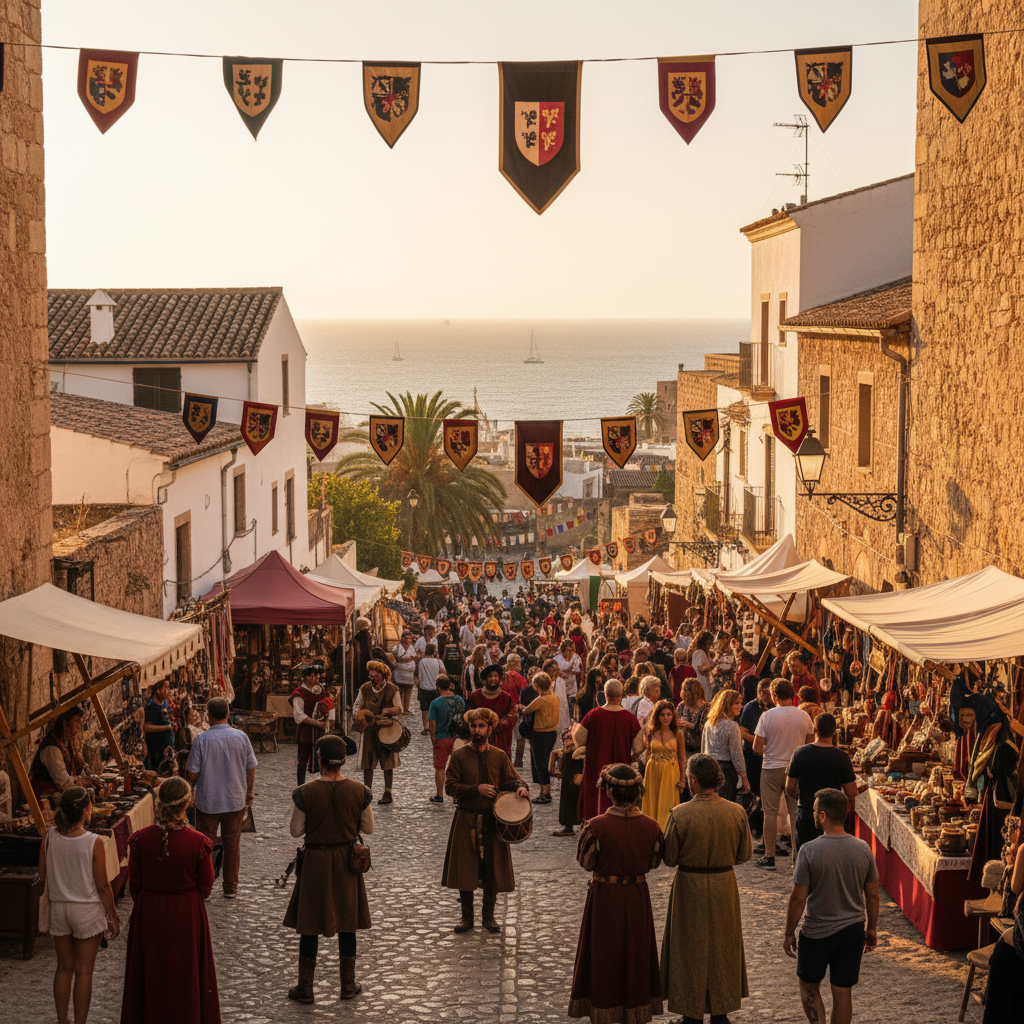
Forget strobe lights and superstar DJs for a moment. Once a year, usually in the second weekend of May (mark your calendars for May 9th-11th, 2025, though always confirm the exact dates on the official Ayuntamiento de Ibiza website), the ancient ramparts of Dalt Vila transform into a vibrant, bustling tapestry of medieval life. The Ibiza Medieval Fair, or “Fira Medieval d’Eivissa,” is an unmissable spectacle, drawing nearly 100,000 visitors over three days. This isn't just a market; it's an immersive experience that transports you back to a time when knights jousted, troubadours sang, and artisans plied their ancient trades within the very walls that once protected the island from invaders. For those seeking to peel back the layers of Ibiza's rich history beyond its contemporary allure, this fair is a profound and genuinely magical gateway.
Navigating the Labyrinth: Understanding the Fair's Layout
The heart of the Medieval Fair beats within the UNESCO World Heritage site of Dalt Vila. It's a sprawling affair, encompassing the entire walled city. You'll enter through the main portal, the Portal de Ses Taules, which itself is a monumental archway flanked by Roman statues – an immediate immersion into history. From here, the fair unfurls upwards through a network of cobblestone streets and plazas. The Plaça de Vila and Plaça del Sol are typically central hubs for performances and larger artisan stalls, while the steeper, narrower lanes leading to the cathedral house more intimate craft exhibitions and food vendors. Don't expect a linear path; part of the charm is getting delightfully lost, stumbling upon a puppet show in a hidden courtyard or the evocative scent of woodsmoke from a traditional forge. The fair extends beyond Dalt Vila too, spilling into the area directly outside the walls, particularly around the Mercat Vell and the Portal Nou, where you might find larger stages or even a medieval encampment demonstration. Wear comfortable shoes – you'll be doing a lot of walking, much of it uphill on ancient, uneven terrain. Think practical, not fashionable, footwear. A small backpack for purchases and water is also highly recommended.
A Feast for the Senses: Culinary Delights Beyond Tapas
While Ibiza is renowned for its modern gastronomy, the Medieval Fair offers a unique opportunity to sample traditional flavours that harken back centuries. Forget your usual bocadillo; here, the air is thick with the aromas of roasted meats, artisanal breads, and spiced wines. You'll find numerous food stalls scattered throughout Dalt Vila. Look out for the roasted suckling pig (cochinillo asado), often prepared on a spit, its crackling skin a tempting sight. Traditional empanadas, savory pastries filled with meat or vegetables, are a portable and delicious option. For something sweet, seek out crepes cooked over open flames, often drizzled with local honey or fruit preserves. And no historical fair would be complete without mead (hidromiel) or spiced wine (vino especiado), served in earthenware mugs. Expect to pay around €8-€12 for a generous portion of roasted meat, €4-€6 for an empanada, and €5-€7 for a cup of mead or wine. Many vendors still operate on a cash-only basis, so ensure you have some euros handy. Don't miss the opportunity to try some of the artisanal cheeses and cured meats from regional producers, a testament to the island's agricultural heritage. For a slightly more substantial sit-down experience, some of the regular restaurants within Dalt Vila, like La Bodega or El Zaguan, often offer special medieval-themed menus during the fair, though reservations might be wise.
Artisans and Alchemy: Unearthing Unique Treasures
The Medieval Fair is a treasure trove for anyone seeking authentic, handcrafted souvenirs – a refreshing change from the usual tourist trinkets. Hundreds of stalls line the streets, each manned by artisans demonstrating traditional crafts. You’ll find exquisite leather goods – belts, bags, and pouches – often made using centuries-old techniques. Jewelers display intricate silver and bronze pieces, many inspired by ancient designs. Observe glass blowers shaping molten sand into delicate ornaments, or potters meticulously crafting earthenware. Look for stalls selling handmade soaps, natural cosmetics, and essential oils derived from local herbs, harking back to a time before industrial production. Textile artists showcase hand-woven fabrics and intricate embroidery. Parents will find delightful wooden toys and traditional games, offering a nostalgic alternative to modern plastics. Prices vary widely, from small trinkets for €5-€10 to significant pieces of art or weaponry (yes, you’ll find blacksmiths forging swords and armor!) that can run into several hundred euros. Bargaining, while not expected to the same aggressive degree as in some other markets, can sometimes yield a small discount, especially if you're purchasing multiple items. This is not just shopping; it's a chance to witness dying arts being kept alive. For more on Ibiza's artistic heritage, see our article on [/hubs/culture-history].
A Spectacle of Sound and Sight: Performances and Parades
The air during the Medieval Fair is constantly alive with the sounds of live entertainment. Wandering minstrels, often playing lutes, flutes, and percussion, serenade passersby. There are regular performances by jugglers, acrobats, and fire-eaters in various plazas. Keep an eye out for dynamic falconry displays, where majestic birds of prey showcase their incredible skills against the backdrop of the ancient walls. Puppet shows delight younger visitors, often recounting age-old fables. One of the highlights is often the medieval parade, where actors in elaborate costumes march through the streets, accompanied by drummers and flag-twirlers. These parades usually take place at scheduled times, often once in the late morning and again in the early evening. Check the fair's official program (usually available as a leaflet at the entrance or online) for exact timings and locations of individual performances. Don't be afraid to stop and watch; these street artists are masters of their craft, and their passion for medieval re-enactment is infectious. You might even stumble upon a mock jousting tournament or a re-enactment of an ancient skirmish in one of the larger open areas. For a deeper dive into the island's cultural offerings, explore [/hubs/events-festivals].
Kids and Chivalry: Family-Friendly Fun
The Medieval Fair is an absolute paradise for families, offering a stark contrast to Ibiza’s often adult-centric image. Children’s imaginations run wild as they encounter knights, princesses, and mythical creatures around every corner. Beyond the captivating performances mentioned above, many stalls offer interactive experiences. Kids can try their hand at archery, paint their own shields, or get their faces painted like mythical beasts. There are often dedicated play areas with traditional wooden games and small merry-go-rounds. Look for the "children's kingdom" areas, typically located in one of the flatter squares within Dalt Vila. Pony rides are sometimes available just outside the main walls. The entire atmosphere is one of innocent wonder, and it’s a fantastic way to introduce children to history in a fun, engaging way. Remember to keep a close eye on little ones in the crowded narrow streets. For more family-focused activities on the island, check out our guide to [/hubs/family-travel].
Photography and Perspectives: Capturing the Moment
Dalt Vila is always stunning, but during the Medieval Fair, it reaches new heights of photogenic charm. The vibrant colours of the stalls, the elaborate costumes, and the dramatic backdrop of the ancient fortifications create endless opportunities for breathtaking photographs. Early mornings, just as the fair is opening, offer softer light and thinner crowds, perfect for capturing the intricate details of the stalls and quiet moments. Late afternoons and evenings, as the sun begins to set over the port, cast a golden glow on the walls, creating a truly magical atmosphere. Experiment with different angles – shoot from below the walls looking up, or from within the labyrinthine streets. Don't forget to capture the candid moments of performers and artisans at work. If you're a keen photographer, consider a wide-angle lens for capturing the expansive views and a prime lens for intimate portraits of the performers and crafts. Remember to be respectful when taking photos of people, and always ask permission before taking close-up shots of individual vendors or performers.
Practicalities and Planning: Making the Most of Your Visit
Getting There: Dalt Vila is centrally located in Ibiza Town. If you're staying in Ibiza Town, it's an easy walk. From surrounding areas like Santa Eulalia or San Antonio, public buses (e.g., L3 from San Antonio, L13 from Santa Eulalia) will drop you at the main bus station, from where it's a 15-20 minute walk to the Medieval Fair entrance. Parking in Ibiza Town during the fair is notoriously difficult. We highly recommend using the designated public car parks outside the old town, such as the Parking Es Pratet (€3-€5 for a few hours, though prices can vary) or Parking Avenida de España, and then walking. Better yet, consider a taxi or public transport to avoid parking entirely.
Opening Hours: The fair typically runs from 10:00 AM to midnight each day, though some artisan stalls may close slightly earlier in the evening. Performances often continue late into the night.
Best Times to Visit: Saturday and Sunday are the busiest days. If you prefer smaller crowds, Friday is a good option, or try visiting in the early morning shortly after opening. The atmosphere fundamentally shifts from a bustling market in the day to a lively, almost mystical celebration in the evening, with more fire shows and musical performances. We recommend experiencing both if your schedule allows.
Accessibility: Dalt Vila is a historic site with steep, uneven cobblestone streets. While efforts are made to make it as accessible as possible, it can be challenging for those with mobility issues or strollers. Stick to the wider main streets and lower plazas for easier navigation.
What to Bring: Comfortable walking shoes are paramount. Carry a reusable water bottle (refill points are scarce, but you can buy bottled water). Small cash notes are useful for many smaller vendors. Sunscreen and a hat are a good idea for daytime visits, and a light jacket for evenings, even in May.
Beyond the Gates: Dalt Vila Year-Round
While the Medieval Fair offers a unique lens through which to experience Dalt Vila, remember that this ancient citadel is a marvel year-round. After the fair concludes, the stalls are packed away, and the streets return to their usual, quieter charm. You can still explore the Cathedral of Santa Maria de les Neus, wander through the archeological museum, or simply enjoy a coffee with breathtaking views from one of the many terraces. Visiting Dalt Vila outside of the fair gives you a different, perhaps more serene, perspective on its enduring history, allowing for deeper reflection on its Phoenician, Roman, Moorish, and Catalan past. For those who fall in love with the historic charm, consider booking accommodation within Dalt Vila itself, perhaps at boutique hotels like Hotel Mirador de Dalt Vila or El Hotel Pacha, which, despite its name connection to the renowned club, offers elegant rooms within a historic building at the foot of Dalt Vila. This allows you to truly immerse yourself in the ambiance of this architectural gem, even when the medieval magic recedes.
Embrace the scent of woodsmoke, the clang of the blacksmith's hammer, and the joyous strains of a medieval lute. The Ibiza Medieval Fair is more than just an event; it's a testament to the island's deep-rooted history, a vibrant celebration that reminds us that there's far more to Ibiza than its contemporary reputation suggests. It truly is a journey through time, right in the heart of the Mediterranean.