Sant Joan Bonfires: Midsummer in Ibiza
Everything you need to know about sant joan bonfires: midsummer in ibiza in Ibiza — practical info, local tips and where to go next.
The Primal Pulse of Sant Joan: Ibiza's Midsummer Fire Rituals
Forget the often-trodden narrative of Ibiza as solely a clubbing paradise or a haven for spiritual retreats. While both are undeniably true, the island's soul is deeply rooted in ancient traditions, none more primal and exhilarating than the celebrations surrounding Sant Joan (St. John the Baptist) on June 23rd. This isn't just another summer party; it’s a visceral, community-driven spectacle marking the summer solstice, a cleansing fire ritual that transcends generations and offers a profound connection to the island's cultural bedrock. If you’re visiting Ibiza in late June, missing Sant Joan is akin to skipping the Sagrada Familia in Barcelona – it’s that central to the island’s authentic spirit.
The night of Sant Joan is the shortest night of the year, a celestial turning point where the sun's power is at its peak. Across the Balearics, and indeed much of Spain, this power is harnessed and celebrated through fire. In Ibiza, this tradition takes on a unique texture, blending ancient pagan rites of purification and renewal with Catholic reverence for St. John the Baptist. It’s a captivating dichotomy: sacred and wild, traditional and joyously communal. You'll find families gathering, friends huddling, and strangers sharing in a collective, almost hypnotic energy as the flames dance against the inky Mediterranean sky.
The Epicentre of Sant Joan: Sant Joan de Labritja Village
While bonfires will speckle beaches and private properties across the island, the heart of the official Sant Joan celebrations beats strongest in the picturesque village of Sant Joan de Labritja, nestled in the island's wild north. This is where the festivities are most deeply ingrained and orchestrated, offering the most authentic and vibrant experience. The village itself, normally a tranquil haven of whitewashed farmhouses and a charming main square dominated by its imposing 18th-century church, transforms dramatically on June 23rd.
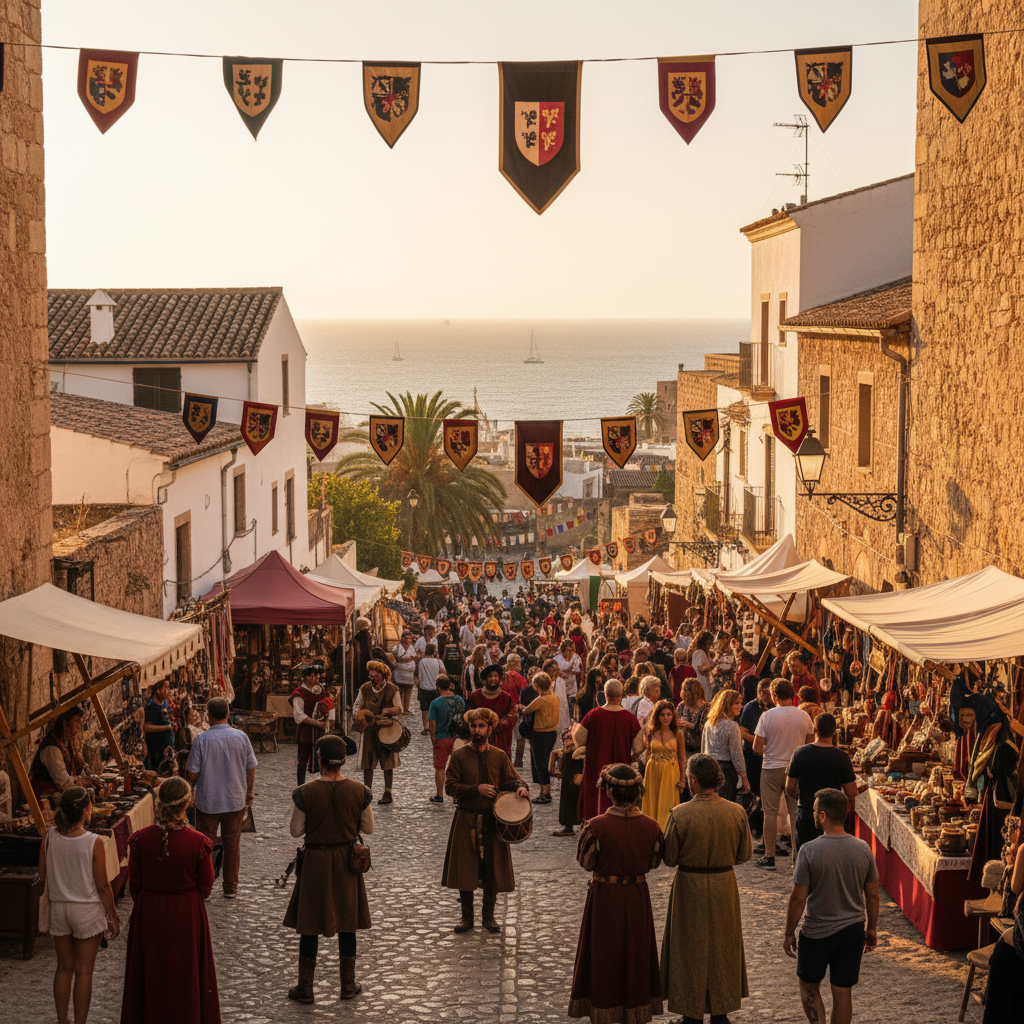
The main plaza, Plaça de l'Església, becomes the focal point. Expect it to be buzzing from late afternoon, long before dusk. Local families set up picnic blankets, children run wild with sparklers (under supervision, of course), and the air fills with the aroma of grilling meats and the chatter of excited voices. It’s an incredibly family-friendly atmosphere during the early evening, a stark contrast to the thumping bass of summer club nights. Local artisan stalls, often set up a day or two prior, will offer handmade crafts, traditional Ibicencan sweets, and perhaps even some flaó (a local mint and cheese tart) or orelletes (sugar-dusted pastries).
The true magic begins after sunset, usually around 9:30 PM to 10:00 PM, when the main bonfires are lit. These aren't just small backyard affairs; in Sant Joan de Labritja, they are often impressive structures of olive branches, pinecones, and discarded wood, meticulously stacked for maximum impact. The sheer heat radiating from them is palpable, drawing you in. The culmination of the evening is typically the "Nit de Sant Joan" concert and, most famously, the "Correfoc" or "Fire Run." Imagine a troupe of people dressed as devils, brandishing spark-emitting pitchforks and firecrackers, dancing through the streets to the rhythmic beat of drums. It’s loud, it’s intense, and it’s electrifying. Be prepared for sparks – wear old clothes, preferably long sleeves and trousers, and definitely no flammables. It's exhilarating chaos, a complete sensory overload, and deeply embedded in Catalan culture. This is precisely why Sant Joan de Labritja is the place to be for this night; nowhere else on the island will you experience the full, untamed spectacle of the Correfoc with such fervour.
Travel to Sant Joan village on this night can be tricky. Parking is extremely limited, and the narrow village roads quickly become gridlocked. Your best bet is to arrive early (by 6 PM) to secure a spot, or consider taking a taxi or the limited special bus services that may operate from Ibiza Town or Santa Eulària. If you are staying in nearby rural hotels like the Agroturismo Can Fuster or Can Curreu, consult them for transfer options, as they often arrange dedicated shuttle services for guests.
The Beaches: A More Intimate Fire Experience
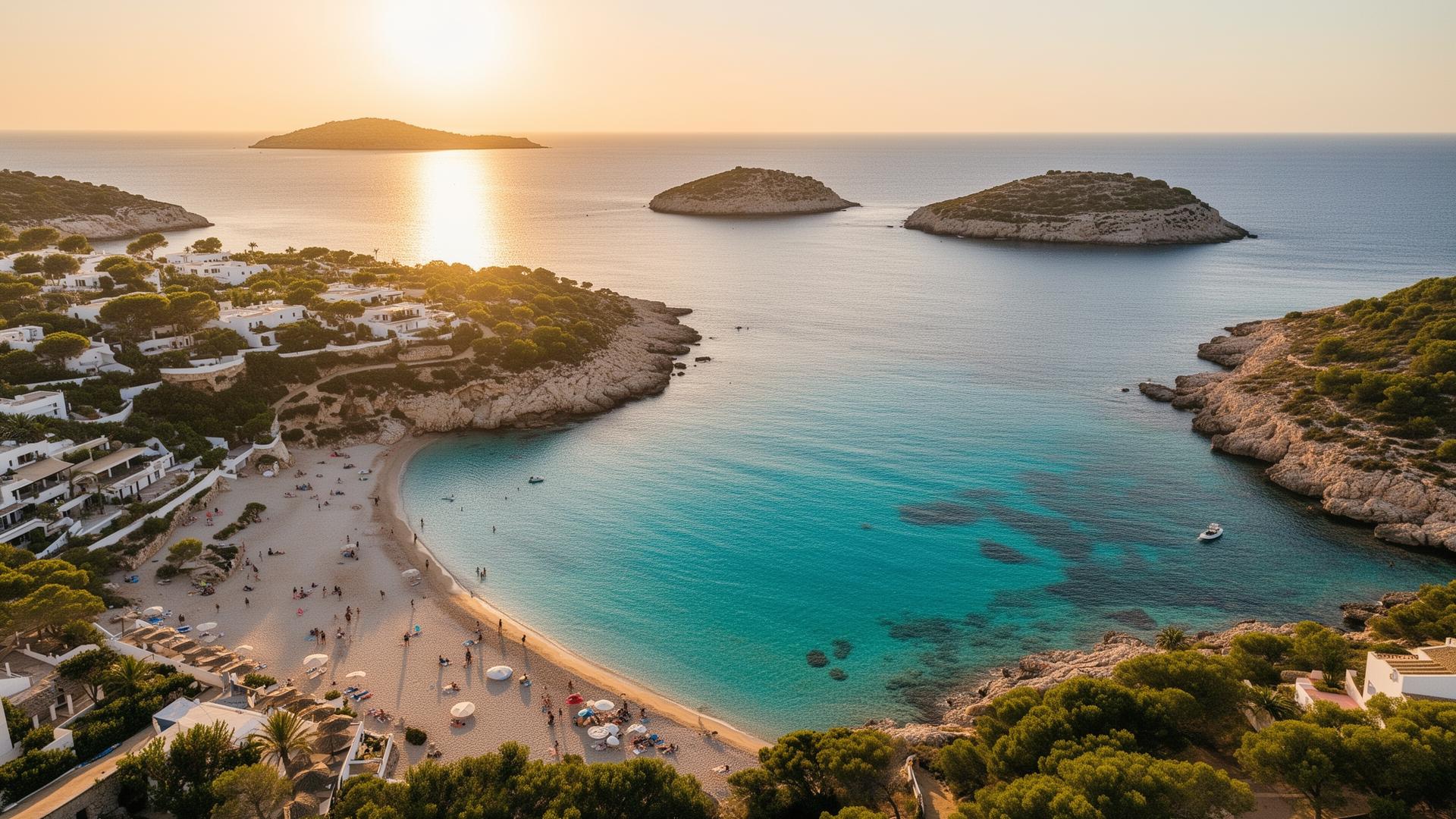
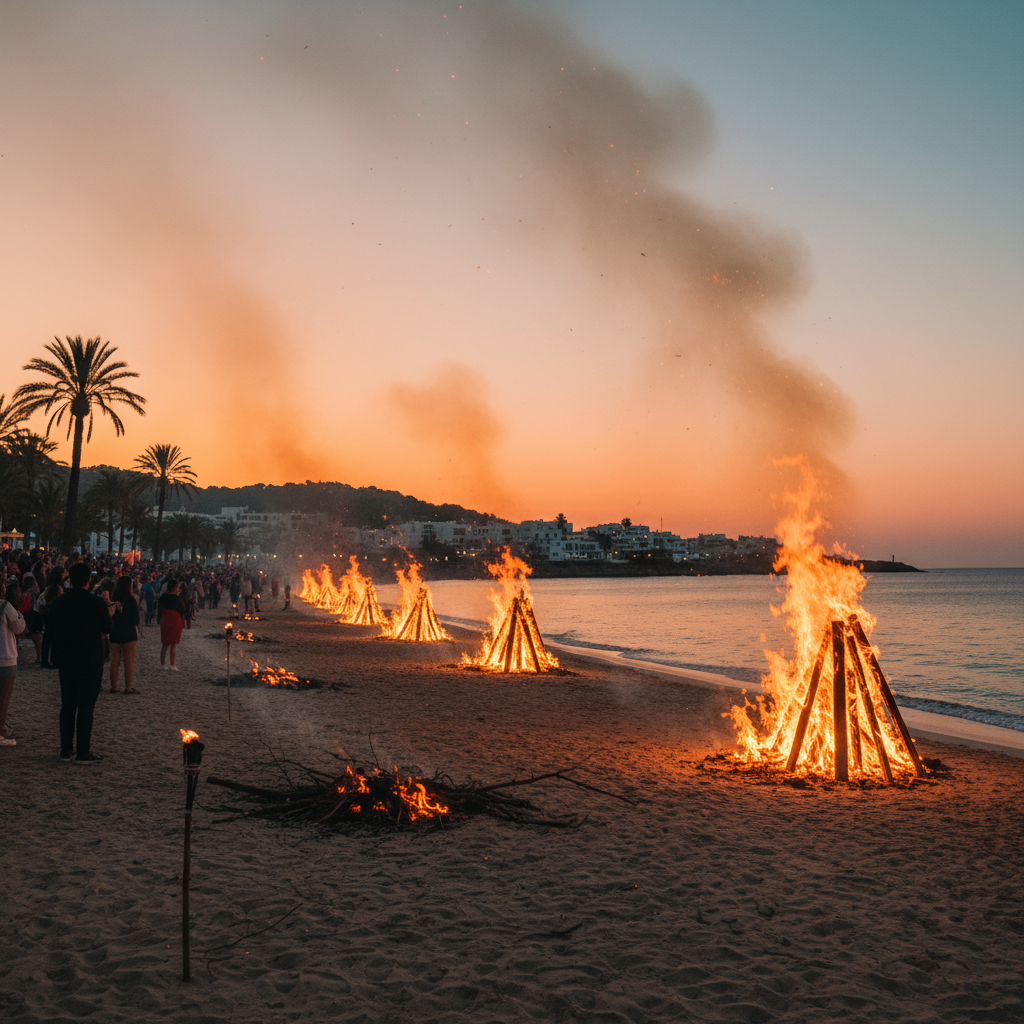
While the village bonfires are grand and ceremonial, many locals opt for a more intimate, reflective Sant Joan celebration on the beaches. This offers a different, but equally powerful, experience. Picture small groups huddled around crackling fires, the gentle lapping of waves providing a natural soundtrack, and the stars – often incredibly bright in Ibiza’s less light-polluted areas – twinkling overhead.
The ritual here often involves jumping over small bonfires a symbolic number of times (three or seven are common, representing purification and good luck for the coming year). As you leap, you're meant to make wishes or cast away negative energies. It's incredibly cathartic. Many bring paper or small wooden effigies to burn, symbolically releasing worries or making new intentions.
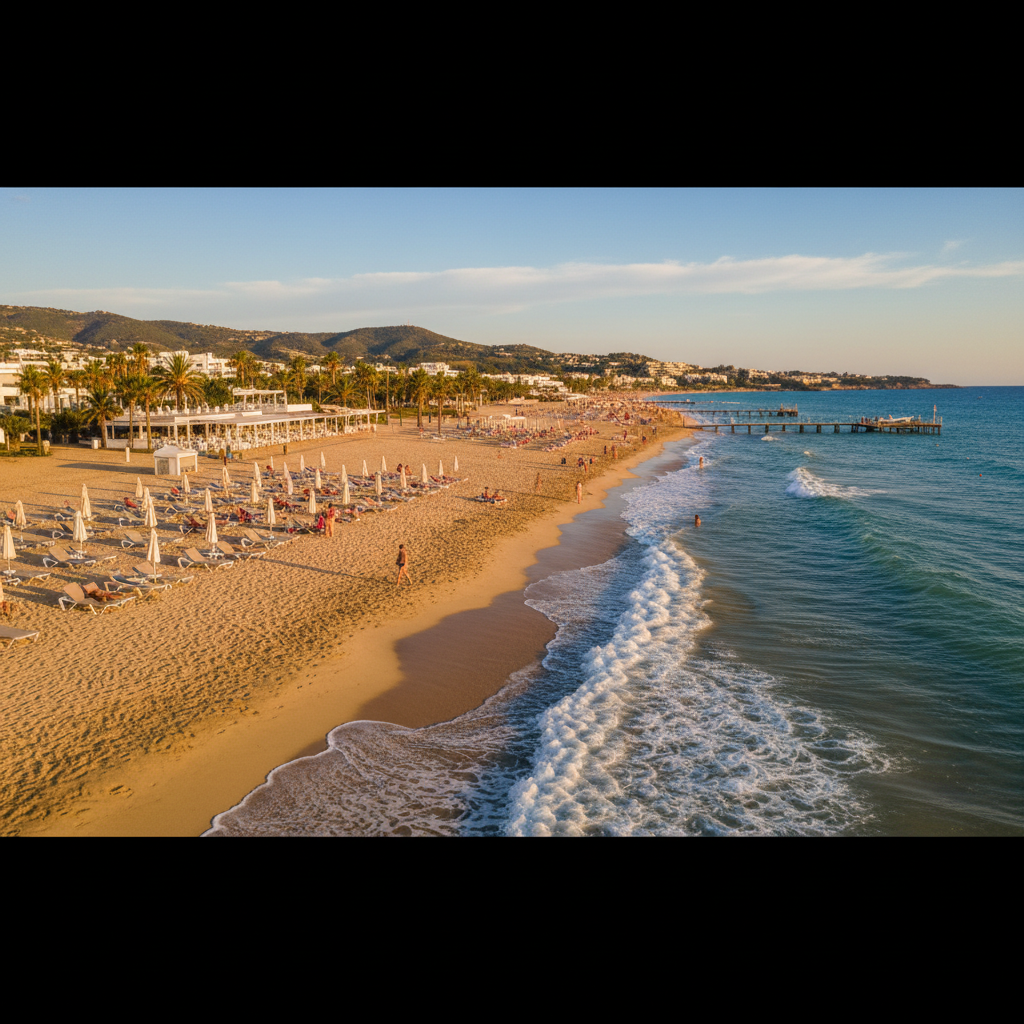
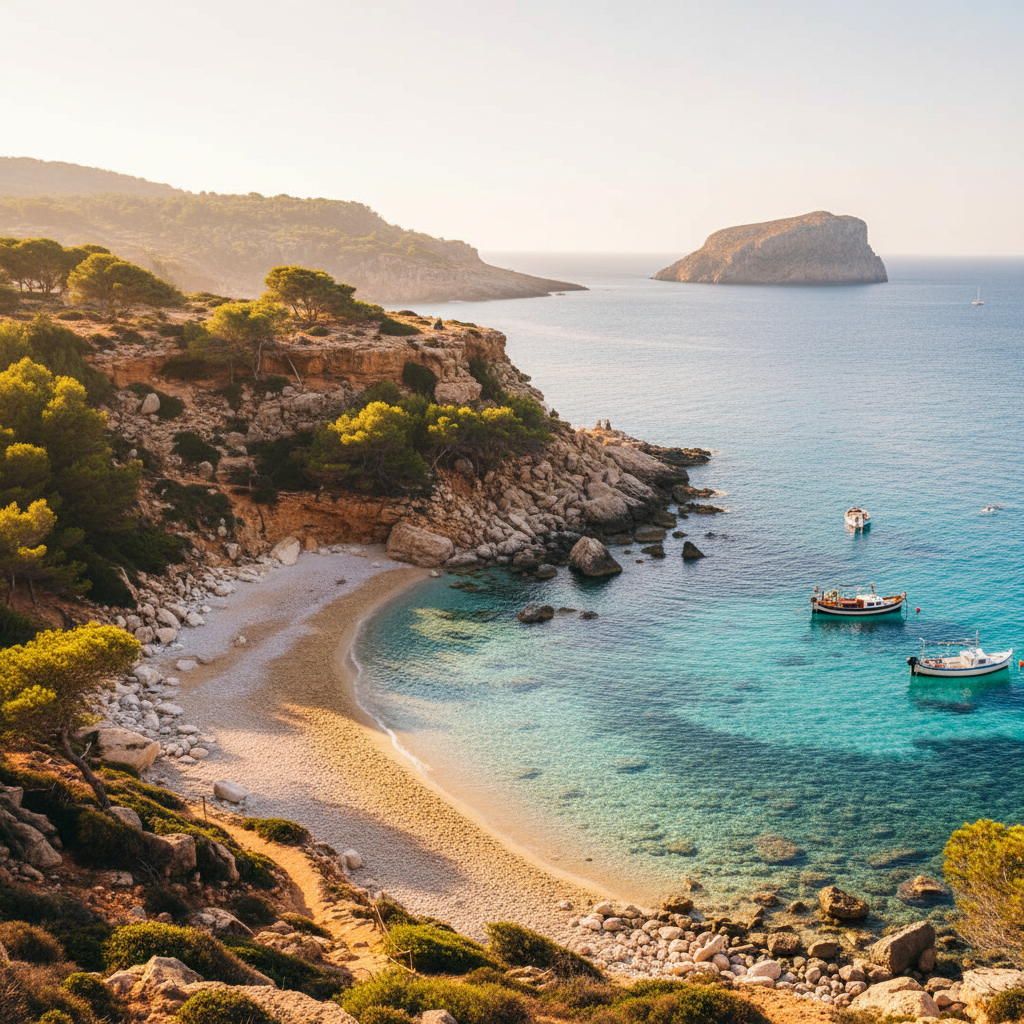
Popular beaches for these gatherings include the more accessible ones like Playa d'en Bossa, where smaller, more discreet fires can sometimes be found near the quieter ends. However, for a truly atmospheric experience away from the crowds, head to the north or west coasts. Cala Benirràs, famed for its Sunday drum circles, offers a wonderfully bohemian vibe for Sant Joan. The fires here tend to be smaller, interspersed with drums and impromptu music. Cala Xuclar and Cala Mastella, two smaller, more secluded coves, offer even more tranquility, perfect for a deeply personal fire ritual. Expect to share these spaces with a mix of local families and those drawn to a quieter, more spiritual interpretation of the night.
Practical tip for beach fires: While common, always be mindful of local regulations. Some beaches have restrictions on lighting fires, particularly inland or close to pine forests, due to fire hazard. Stick to established fire pits if available, keep fires small, contained, and well away from dry vegetation, and always ensure they are completely extinguished with water and sand before you leave. Leave no trace of your visit. Bring water, a small spade, and a bucket for this purpose. Do not burn plastics or anything that leaves toxic residue.
Food and Drink: Fueling the Festivities
No Ibicencan festival is complete without an abundance of delicious food and drink, and Sant Joan is no exception. While coques de Sant Joan (Sant Joan cakes, often a sweet flatbread adorned with candied fruit and pine nuts) are traditional across Catalonia, in Ibiza, the focus often shifts to a more general celebratory spread.
On the beach, barbecues are commonplace. Expect wafts of butifarra (Ibicencan sausage), sobrasada (spicy cured sausage), and locally caught fish grilling over open flames. Families often bring elaborate picnics, laden with ensalada payesa (traditional Ibicencan salad), tortilla de patatas, and platters of jamón serrano and local cheeses. Don't be surprised to see bottles of Hierbas Ibicencas, the island's traditional anise-flavored liqueur, being passed around after dinner, often homemade and intensely aromatic. This is a spirit deeply rooted in Ibicencan culture, perfect for celebrating. Learn more about local gastronomy here: [/hubs/food-drink].
In Sant Joan de Labritja village, street food vendors will be set up, offering everything from paella to grilled corn. Local restaurants in the village, like Can Sulayetas or Vista Verde, will likely offer special menus, but booking well in advance (weeks, even a month, ahead) is absolutely essential. These places fill up fast with locals who celebrate this night wholeheartedly.
For drinks, besides the Hierbas, anticipate copious amounts of local wine, refreshing Cava, and ice-cold beers. Often, the vibe is potluck-style, with everyone contributing something to the communal feast. This collective sharing is a fundamental part of the Sant Joan experience.
The Symbolic Rituals: Cleansing and Renewal
Beyond the dazzling fires and delicious food, Sant Joan is deeply symbolic. It represents a powerful moment for purification and renewal, for letting go of the old and embracing the new.
- Jumping the Fire: As mentioned, this is the most iconic ritual. Leaping over the flames three or seven times is believed to cleanse the spirit, ward off evil, and bring good luck. It's a thrilling, slightly daring act, and watching others do it (or perhaps trying it yourself, if the bonfires are small and safe enough) truly communicates the underlying meaning of the night.
- Washing in the Sea: At midnight, it’s traditional for some to take a dip in the sea. The water at this precise moment is said to be particularly potent, charged with the summer solstice energy, and capable of washing away sins and bad luck. For many, this is a very personal, almost sacred moment. If you participate, remember to be safe – only swim in well-lit areas and ideally with others.
- The Sant Joan Herbs: The night before and the morning of Sant Joan, many Ibicencans gather specific wild herbs. These often include rosemary, thyme, lavender, and St. John's Wort (Hypericum perforatum), which is particularly powerful on this day, traditionally believed to have protective properties. These herbs are then dried, used to make infusions, or simply placed around the home for good luck throughout the year. You might see small bunches of these herbs for sale at local markets in the days leading up to the event. This tradition connects deeply with the island's rich hippie-culture and its respect for nature's bounty.
These rituals are not just quaint customs; they are living traditions that offer a window into the spiritual heart of Ibiza, connecting present-day celebrations with millennia of human observance of the summer solstice.
Music and Atmosphere: Beyond the Clubs
While Ibiza is synonymous with electronic music, the soundtrack to Sant Joan is markedly different, especially in the villages. In Sant Joan de Labritja, expect live traditional Ibicencan folk music, perhaps some contemporary Spanish pop, and the thunderous, primal drumming of the Correfoc. It’s an authentic, unamplified experience that speaks to the island’s roots.
On the beaches, the music is often self-made. Guitars, djembes, and other percussion instruments are common. The vibe is laid-back, communal, and often acoustic. It's a world away from the superclubs of Playa d'en Bossa or San Antonio, offering a chance to see a different, quieter side of Ibiza's musical soul.
Of course, some commercial venues will acknowledge Sant Joan. Beach clubs like Amante Ibiza or Elements Ibiza (at Cala Benirràs) might host special dinners or sunset gatherings, incorporating fire elements in a more refined way. However, these will be curated experiences, not the spontaneous, raw street parties of the village. If you’re looking for the authentic cultural immersion, steer clear of the commercial offerings on this specific night.
Logistical Considerations for Sant Joan Enthusiasts
Planning your Sant Joan experience requires a bit of foresight, especially for 2025/2026:
- Accommodation: Hotels in Sant Joan de Labritja village or nearby rural areas like Sant Llorenç de Balàfia (e.g., Agroturismo Ca Na Xica, Can Arabí) book up exceptionally fast for this period. If attending the village festival is your priority, aim to book at least 6-8 months in advance. Many top-tier hotels will be at their peak season pricing, so expect rates around €350-€700+ per night for a boutique rural hotel, and €150-€300 for a more standard apartment or guesthouse. Exploring options within villages-towns outside the main tourist hubs can yield unique stays.
- Transport: As noted, driving to Sant Joan de Labritja on the night of June 23rd is challenging. Taxis will be in high demand; pre-booking a taxi or private transfer is highly recommended if you’re staying further afield. The cost from Ibiza Town could be around €30-€40 each way. Public buses will likely run on a reduced holiday schedule, though special services for major events can sometimes be arranged. Check the Ibizabus website closer to the date.
- Clothing: Dress comfortably and casually. For the Correfoc, wear old clothes you don't mind getting singed or splattered with ash. Long sleeves and closed-toe shoes are a wise precaution against sparks. Layers are always a good idea for evenings as temperatures can drop after sunset.
- Safety: While generally very safe, crowds and fire require common sense. Keep a close eye on children. Do not get too close to large bonfires. Be aware of your surroundings, especially if participating in the Correfoc. And always drink responsibly.
- Respect Local Traditions: Remember, this is a deeply meaningful local festival. Be respectful of the rituals, the environment, and the community. Avoid excessive noise or disruptive behavior, especially on the more secluded beaches.
Beyond June 23rd: The Feast Day Itself
While the bonfires and celebrations peak on the evening of June 23rd, the actual Feast Day of Sant Joan Bautista is June 24th. This day is generally a public holiday across Spain. In Sant Joan de Labritja village, you’ll find a more sedate, religious celebration. There will be a special Mass at the church, often followed by a traditional procession through the village streets with the figure of St. John. This is a beautiful contrast to the previous night's revelry, offering insight into the dual nature of the festival. Expect locals dressed in their finest, and a slightly more formal, respectful atmosphere. Many shops and businesses, particularly in smaller villages, will be closed on the 24th.
A Must-Do for the Culturally Curious
Sant Joan bonfires are more than just an "event" on the Ibiza calendar; they are a direct conduit to the island's authentic soul, a testament to the enduring power of ancient traditions. For visitors seeking to peel back the layers of the island's international reputation and experience its vibrant local culture, this is an absolutely essential experience. It offers a profound sense of connection, shared joy, and a truly unforgettable memory of Ibiza at its most elemental. If you're fortunate enough to be on the island around the summer solstice, make an effort to immerse yourself in the magic of Sant Joan. You'll leave with a deeper appreciation for the island's rich heritage and a sense of renewal that mirrors the very spirit of the festival. This is Ibiza, undiluted and incandescent.