Using the Ibiza Bus Network
Everything you need to know about using the ibiza bus network in Ibiza — practical info, local tips and where to go next.
Navigating Ibiza’s Bus Network: Your Key to Accessible Adventure
Forget the preconceived notions of Ibiza as a solely taxi-dependent island or one requiring a rental car for every excursion. While private transport certainly has its place, the island’s surprisingly robust and incredibly affordable bus network is your golden ticket to unlocking Ibiza’s diverse landscapes, vibrant towns, and legendary nightlife, often with less stress and more local flavour than you might imagine. For savvy travellers, understanding this network isn’t just about saving euros; it's about experiencing Ibiza more authentically, from remote coves to bustling club entrances. We’re going to dive deep, dissecting routes, timetables, and insider tips to ensure you master island bus travel like a seasoned local.
Understanding the Systems: Regular Lines vs. Discobus vs. Airport Bus
Before we delve into specific routes, it’s crucial to distinguish between the three main categories of bus services operating on Ibiza. Each serves a distinct purpose and operates under different schedules and fare structures.
-
Regular Lines (Líneas Regulares): These are your daily workhorses, connecting all major towns, many popular beaches, and some smaller villages from early morning until late evening (typically 7:00 AM to 10:00 PM, though this varies by route and season). These lines are run by a consortium of companies (like Sagalés, Vibasa) under the island’s transport authority, and their routes are designed for year-round service, albeit with reduced frequency outside the peak summer months (June-September). They are identifiable by their numerical designations (e.g., L3, L10, L24).
-
Discobus (Líneas Discobús): The legendary Discobus lines are the island's nocturnal lifelines during the peak clubbing season (roughly June to early October). Operating primarily from midnight until 6:00 AM or 7:00 AM, these routes connect major resort areas like San Antonio, Playa d'en Bossa, Santa Eulalia, and Ibiza Town with the superclubs such as Pacha, Hï Ibiza, Ushuaïa, and Amnesia. They’re a safe, cheap, and sociable way to get to and from the party without worrying about designated drivers or exorbitant taxi fares. You’ll spot them by their distinctive "Discobus" branding and D-prefixed route numbers (e.g., D3).
-
Airport Bus (L10): While technically a regular line, the L10 deserves its own mention due to its critical role. This service connects Ibiza Airport (IBZ) with Ibiza Town’s Estació Intermodal (main bus station) and the Port, extending to Playa d'en Bossa during peak season. It's the most economically sensible way to get to or from the airport, offering frequent departures and a direct journey.
Each of these services is integral to navigating the island, and understanding their individual operational parameters is your first step to becoming an Ibiza bus pro.
Fares and Ticketing: Keeping it Affordable
One of the most attractive aspects of Ibiza’s bus network is its affordability. Forget the €30-€40+ taxi rides for short distances – bus fares are a fraction of that.
- Single Tickets: For most regular lines, a single journey within a town or to an adjacent destination will cost between €1.50 and €3.50. Longer routes, such as Ibiza Town to San Antonio, typically cost around €2.50 to €4.00. The L10 Airport Bus usually charges around €4.00 for a one-way trip. Discobus fares are slightly higher, generally ranging from €3.00 to €5.00 per journey, due to their late-night operation and specific club routes.
- Payment: All bus services accept cash payments directly to the driver. It's always best to have small denominations (coins or €5/€10 notes) as drivers may not always have change for larger bills (€20+). Contactless card payment is becoming more common on some routes, particularly the newer buses, but cash is universally accepted and recommended as a backup. There are no pre-purchase tickets or online booking systems for individual bus journeys; it's all pay-on-board.
- Multi-journey Cards (Tarjeta Multiviaje): While not widely advertised to tourists, those staying for an extended period or planning extensive bus travel might consider purchasing a "Tarjeta Multiviaje" (multi-journey card). These rechargeable cards offer a discount on each journey (typically 15-20% off the cash fare). You can purchase and recharge them at the Estació Intermodal in Ibiza Town or some major bus stations like San Antonio. The card itself has a small purchase price (€2-€3 usually) and then you top it up with credit. This is a local’s secret for saving money and avoiding fumbling for change.
Insider Tip: While there isn't a comprehensive day pass equivalent for tourists, the low cost of individual journeys often makes it unnecessary. If you're doing more than two or three significant bus journeys in a day, then a multi-journey card might be worthwhile. Otherwise, simply paying cash works perfectly well.
Key Routes and Strategic Hubs: Connecting the Island dots
Ibiza’s bus network is designed around its major population centres. Understanding these hubs and the routes connecting them is key.
Main Hubs:
- Ibiza Town (Eivissa): The Estació Intermodal in Ibiza Town (Parque de la Paz area, near the old town walls) is the island’s primary bus hub. Almost all major routes originate or terminate here, making it an excellent point to transfer or start your journey. Buses to the airport (L10), San Antonio (L3), Santa Eulalia (L13), and Playa d'en Bossa (L14) are particularly frequent.
- San Antonio (Sant Antoni de Portmany): Located by the main fountain roundabout, the San Antonio bus station is the western hub, connecting to Ibiza Town (L3), Santa Eulàlia (L19), and many popular western beaches like Cala Bassa and Cala Conta (L7). It’s also a major Discobus departure point.
- Santa Eulalia (Santa Eulària des Riu): The bus station on the main Passeig S'Alamera is the eastern hub, offering connections to Ibiza Town (L13), San Antonio (L19), and northern villages like Sant Carles (L16). It also serves as a crucial stop for the Discobus en route to Pacha and Amnesia.
- Playa d'en Bossa: While not a dedicated station, there are numerous key bus stops along the main strip (especially near Ushuaïa and Hï Ibiza) with frequent connections to Ibiza Town (L14) and the Airport (L10).
Essential Regular Lines:
- L3: San Antonio <> Ibiza Town: A high-frequency route, especially popular for those staying in San Antonio and wishing to explore the capital. Operates roughly every 15-30 minutes during peak season.
- L10: Ibiza Airport <> Ibiza Town <> Formentera Ferry Port: Your direct link to the airport. During peak summer, it extends its route to Playa d'en Bossa, making it incredibly convenient for airport transfers to that area. Frequency is excellent, often every 15-20 minutes.
- L13: Ibiza Town <> Santa Eulalia: Another busy route connecting the capital with the charming, family-friendly town of Santa Eulalia. Very frequent service.
- L14: Ibiza Town <> Playa d'en Bossa: The lifeline for clubbers and beach-goers alike, connecting Ibiza Town directly to the bustling Playa d'en Bossa strip. Very frequent, especially in summer.
- L7: San Antonio <> Cala Bassa / Cala Conta: A hugely popular route for accessing two of Ibiza’s most stunning beaches. Check the timetable carefully as frequency can vary, but it's an absolute must for West Coast beach exploration.
- L24: Santa Eulalia <> Cala Nova / Es Canar <> Sant Carles: This route takes you to the famous hippie markets of Las Dalias (Sant Carles) and Punta Arabí (Es Canar), and also connects to beautiful eastern beaches like Cala Nova. An essential route for exploring Ibiza’s more bohemian side. You can learn more about these markets in our guide to /hubs/hippie-culture.
Embracing the Night: The Discobus Experience
The Discobus network is an indispensable part of Ibiza’s nightlife infrastructure. It’s not just a means of transport; it's a pre-party atmosphere on wheels.
-
Key Discobus Routes:
- D3: San Antonio <> Pacha <> Ibiza Town <> Hï Ibiza / Ushuaïa (Playa d'en Bossa) <> Amnesia. This is the flagship Discobus route, linking all the major clubbing hotspots and resort areas. It's a continuous loop, allowing you to hop on and off as needed.
- D13: Santa Eulalia <> Ibiza Town <> Amnesia <> San Rafael. Primarily serving the east coast, this route provides a connection from Santa Eulalia to the superclub Amnesia and into Ibiza Town.
- D21: Santa Eulalia <> San Lorenzo <> San Carlos. A more localized Discobus, serving the northern villages and connecting to the main network in Santa Eulalia.
-
Operating Hours & Frequency: Typically from midnight to 6-7 AM, with buses every 20-45 minutes depending on the route and the time of night. They run most frequently at peak club entry and exit times (1-3 AM and 5-7 AM).
-
Safety and Convenience: The Discobus significantly enhances safety for party-goers, reducing drink-driving and offering a reliable alternative to often scarce and expensive taxis at peak club closing times. It’s also an excellent way to save money, especially when compared to a €35-€50 taxi ride from San Antonio to Playa d'en Bossa.
-
The Vibe: Expect a lively atmosphere! The Discobus is often filled with excited clubbers, making it a sociable part of the night out. Don't be surprised by impromptu singalongs or cheers as the bus passes a major club.
Insider Tip: If you're heading to a superclub which might be 20-30 minutes away, plan your journey to arrive a little earlier than you think. There might be queues to get on the bus, especially at peak times from major departure points like San Antonio bus station or outside Pacha. Allow plenty of time! For more on specific club locations and transport, check out our guide to /hubs/nightlife.
Practicalities and Insider Knowledge
Mastering the bus network involves more than just knowing routes; it’s about understanding the subtle nuances of island transport.
- Timetables: The most up-to-date timetables are always available on the official transport website, Consell d'Eivissa [www.eivissa.consolidat.org/transports/autobusos/]. Look for the "Horarios Líneas Regulares" (regular lines) and "Discobus" sections. You can also find printed timetables at major bus stations and tourist information offices.
- Seasonality: Be acutely aware that bus frequencies and even the operation of certain routes are highly seasonal. During the winter months (November-April), service is significantly reduced, with some routes becoming infrequent or even ceasing entirely. Always check the current timetable for your travel dates. The Discobus, for example, only runs during the peak summer clubbing season.
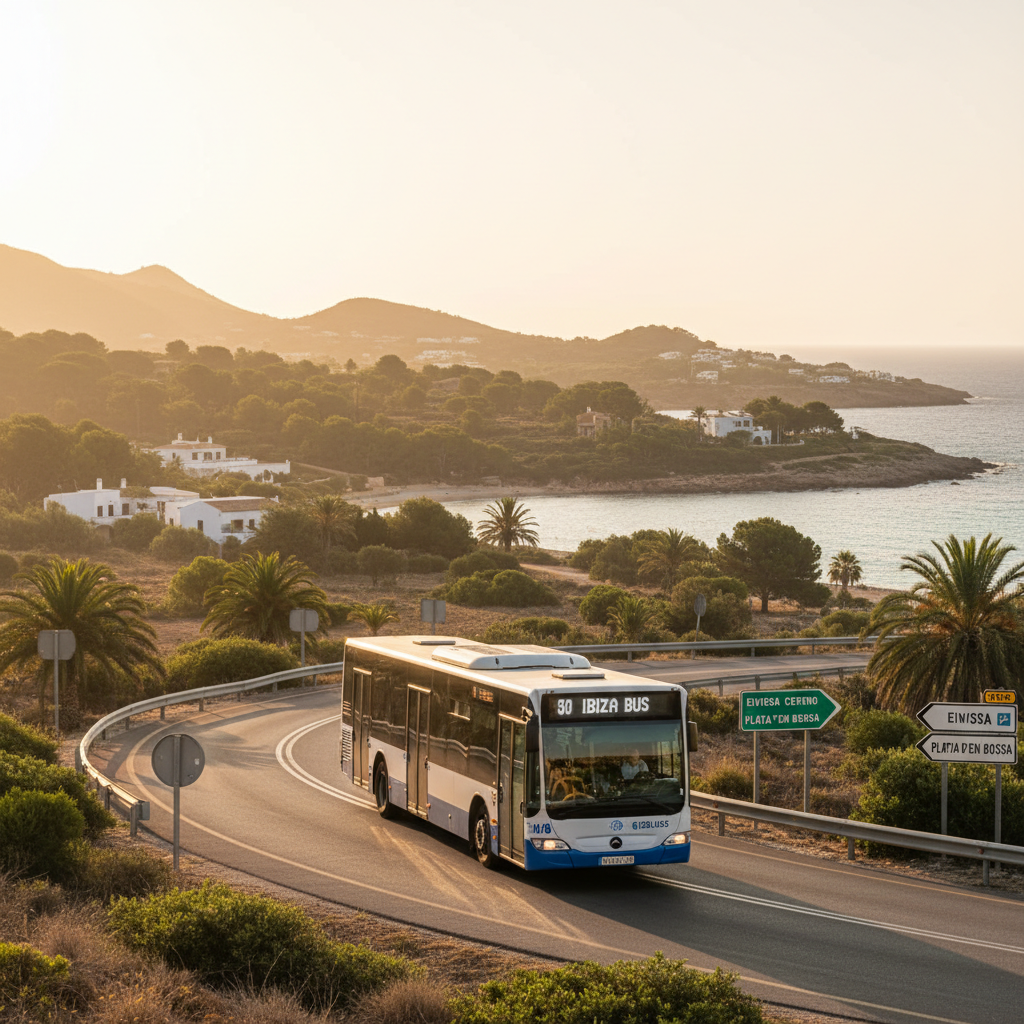
- Bus Stops: Bus stops are generally clearly marked with blue signs featuring a white bus symbol. In towns, they are frequent; in rural areas, they can be more spaced out. To signal a bus to stop, wave clearly as it approaches. To alight, press the "stop" button inside the bus.
- Punctuality: While generally reliable, especially on main routes, buses can sometimes run a little late, particularly during peak summer traffic or if there’s an event or festival. Build in a buffer if you have a tight schedule or a ferry to catch (see our tips for /articles/formentera-ferry-guide).
- Crowds: During peak summer and at prime times (e.g., afternoon beach departures, early evening commutes), buses can get very crowded, especially popular routes like L7 to Cala Conta or L14 to Playa d'en Bossa. If you have mobility issues or a lot of luggage, try to travel off-peak.
- Luggage: Standard luggage is generally allowed free of charge in the designated luggage areas or overhead racks. For excessive or oversized items, it’s best to check with the driver. On very crowded buses, large luggage can be inconvenient.
- Sunday Service: Sundays and public holidays often operate on a reduced timetable, similar to winter schedules. Always double-check.
- Lost and Found: If you leave something on a bus, your best bet is to contact the Consell d'Eivissa transport department or visit a major bus station (Ibiza Town or San Antonio) as soon as possible. Provide as much detail as you can about the route, time, and bus (if you recall its number).
Beyond the Usual: Exploring Remote Corners by Bus (with some planning)
While the main routes cover the popular areas efficiently, a little planning can unlock more secluded spots. Some routes, though less frequent, delve into the island's quieter corners.
- L2A: San Antonio <> Port des Torrent <> Cala de Bou: This local route is excellent for exploring the quieter beaches and resorts just south of San Antonio, including the various coves around Cala de Bou.
- L20A: Ibiza Town <> Sant Joan de Labritja <> Portinatx: For those looking to explore the beautiful north of the island, this route connects Ibiza Town to the charming village of Sant Joan and the northern resort of Portinatx, known for its serene beaches and family-friendly atmosphere. A great option for a day trip to explore Ibiza’s greener, more rugged side.
- L23A: San Antonio <> Benirrás: This route offers direct access to the iconic Benirrás Beach, famous for its Sunday sunset drumming circle. However, this route is often seasonal and can be incredibly busy on Sundays – check the timetable meticulously and aim to go early if you want a seat. There’s a distinct vibe that makes the journey part of the Benirrás experience.
- L25A: Ibiza Town <> San Miguel <> Port de San Miguel: Another northern route linking the capital to the picturesque bay of Port de San Miguel and the fortified church of San Miguel. Ideal for exploring quieter coastal areas.
Insider Tip: For truly remote beaches or hiking trailheads not directly served by a bus, consider a combination strategy: take a bus as far as possible, then use a short taxi ride or even walk (if feasible and safe, considering temperature and terrain) for the final leg. Always check your return bus times carefully, especially for less frequent routes, to avoid being stranded.
Why Choose the Bus? More Than Just Cost Savings
Opting for Ibiza’s bus network isn’t solely about the budget; it offers a unique and often superior travel experience:
- Environmental Impact: Reducing your reliance on taxis or rental cars is a more sustainable way to enjoy the island, lessening your carbon footprint and contributing to the preservation of Ibiza's natural beauty.
- Sociability: Especially on the Discobus, you’ll meet fellow travellers, share stories, and soak in the vibrant atmosphere. It’s part of the pre-club ritual for many.
- Stress-Free Navigation: No need to worry about parking (which can be a nightmare in peak season at popular beaches and towns), navigating unfamiliar roads, or designated drivers. Sit back, relax, and enjoy the scenery.
- Local Immersion: You'll see more of the island, mingle with locals on their daily commutes, and get a better sense of Ibiza beyond the tourist hotspots.
The bus network might not take you door-to-door to every villa or unaccredited chiringuito, but for accessing the heart of Ibiza – its towns, its principal beaches, and its legendary club scene – it is an unparalleled resource. Embrace it, consult those timetables, and prepare to unlock a whole new dimension of your Ibiza adventure.