Ferries from Mainland Spain to Ibiza
Everything you need to know about ferries from mainland spain to ibiza in Ibiza — practical info, local tips and where to go next.
Navigating the Azure: Your Definitive Guide to Mainland Ferries to Ibiza
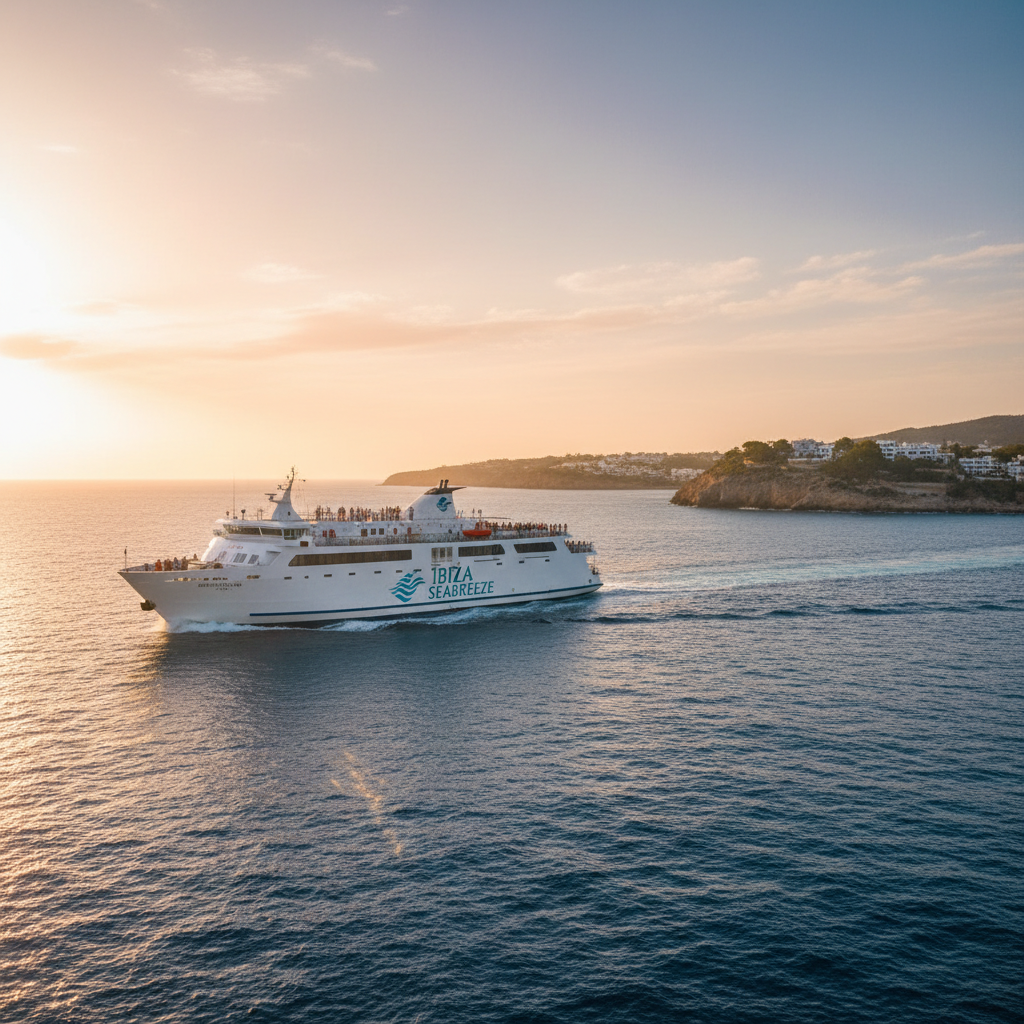
For many, the journey to Ibiza is as much a part of the adventure as the destination itself. While air travel offers speed, there's a certain romance, a palpable sense of anticipation, that only a ferry crossing from mainland Spain can deliver. Imagine the salty air, the shimmering expanse of the Mediterranean opening before you, and the distinctive silhouette of Ibiza slowly emerging on the horizon. This isn't merely transport; it's a transition, a deliberate shift into the island's unique rhythm. For those seeking to bring their own vehicle, avoid baggage restrictions, or simply savour a more leisurely arrival, the ferry is an indispensable and often preferred option. Whether you’re a first-timer or a seasoned island hopper, understanding the intricacies of ferry travel is key to a smooth and enjoyable start to your Ibiza experience.
The Mainland Departure Points: Choosing Your Gateway
Spain's eastern coast offers multiple primary departure ports for Ibiza-bound ferries, each with its own advantages in terms of location, journey time, and amenities. Your choice will largely depend on your starting point on the mainland and your preferred travel style.
Denia: The Swift Link
Strategically located in the Valencian community, Denia is unequivocally the fastest mainland port for reaching Ibiza. Its proximity to the Balearic Islands allows for crossings as short as 2 hours 15 minutes with some fast ferry services. This makes Denia an excellent choice for those coming from central or southern Spain who prioritize speed over all else. The port itself is vibrant, nestled beneath the imposing Denia Castle, and offers a pleasant pre-ferry atmosphere. There are numerous respectable independent restaurants like Els Magazinos on Carrer del Pont offering excellent paella or fresh seafood. Parking near the port can be tight during peak season, so pre-booking or arriving early is advisable, especially if you're not bringing a car on board.
Valencia: The Major Hub
As Spain's third-largest city, Valencia offers the most comprehensive array of services and infrastructure, making it a convenient departure point for those travelling from further afield or who wish to spend some time exploring a major Spanish city before their island escape. Ferry crossings from Valencia typically range from 5 to 7 hours, depending on the operator and vessel type. While not as swift as Denia, Valencia provides excellent rail and road links, connecting it effortlessly to Madrid, Barcelona, and other major Spanish cities. The port is extensive and well-organised, though reaching the ferry terminals from the city centre might require a short taxi or public transport ride. Consider staying near the Ciutat de les Arts i les Ciències for easy access to both city sights and the port.
Barcelona: The Northern Passage
For travellers originating from northern Spain, France, or even other parts of Europe keen on a long road trip, Barcelona serves as the most logical departure point. It offers the longest crossings, usually between 8 and 10 hours, often overnight. This can be a blessing for those looking to maximise their daylight hours on the island, arriving refreshed after a night’s sleep onboard. Barcelona's port is massive, reflecting its status as a major Mediterranean hub, and offers excellent public transport links (Metro L3, Drassanes or L2, Paral·lel stations are within reasonable distance, though a taxi to the specific terminal is common). The atmosphere of Poble Sec before boarding, perhaps with some pre-ferry tapas at Quimet & Quimet, adds to the quintessential Spanish experience.
The Ferry Operators: Your Choices on the Waves
Three main operators dominate the mainland-Ibiza route, each offering a distinct profile in terms of pricing, service, and vessel type. Understanding their nuances will help you choose the best fit for your travel needs.
Baleària: The Modern Innovator
Baleària is arguably the most prominent and innovative operator, known for its extensive network, modern fleet, and commitment to sustainability. They operate routes from Denia, Valencia, and Barcelona. Their fast ferries (like the 'Jaume II' or 'Cecilia Payne' from Denia) are sleek, catamaran-style vessels offering rapid crossings, typically with various seating classes including economy, first class, and sometimes even premium lounges. For longer journeys, their conventional ferries (such as the 'Hypatia de Alejandría' or 'Abel Matutes') provide more amenities, including cabins, restaurants, shops, and sometimes even swimming pools or cinemas on select routes. Baleària is often praised for its digital integration, with easy online booking, mobile boarding passes, and even onboard Wi-Fi (though often paid and sometimes intermittent). They also offer routes directly to San Antonio, which can be a game-changer if your accommodation is on the west side of the island. Their commitment to eco-friendlier travel, including LNG-powered vessels, is also a notable aspect for environmentally conscious travellers.
GNV (Grandi Navi Veloci): The Comfortable Crossing
GNV primarily operates from Barcelona, offering a more traditional ferry experience, often on larger, cruise-style vessels. While their crossings are longer, they focus on providing a comfortable and well-equipped journey. You'll typically find a wider range of cabin options, from basic internal cabins to luxurious suites, making them an excellent choice for overnight voyages. Onboard services usually include multiple restaurants (à la carte and self-service), bars, duty-free shops, and sometimes even entertainment for children. GNV aims to make the journey itself a pleasant part of the vacation, rather than just a means to an end. Their pricing can sometimes be more competitive for cabin bookings, especially when travelling as a family or group.
Trasmed (formerly Trasmediterránea): The Established Standard
Trasmed, now under the Grimaldi Group, is another long-standing operator with routes from Valencia and Barcelona. They offer a reliable service with a mix of fast and conventional ferries, though their focus is generally on larger, comfortable vessels equipped for longer crossings. Similar to GNV, Trasmed provides a good range of cabin options, restaurants, and common areas designed to make the journey relaxing. They have a solid reputation for punctuality and safety. Trasmed’s offerings are often seen as a reliable middle ground, balancing speed, comfort, and price. Their booking process is straightforward, and they cater well to passengers travelling with vehicles.
The Vehicle Factor: Beyond Just People
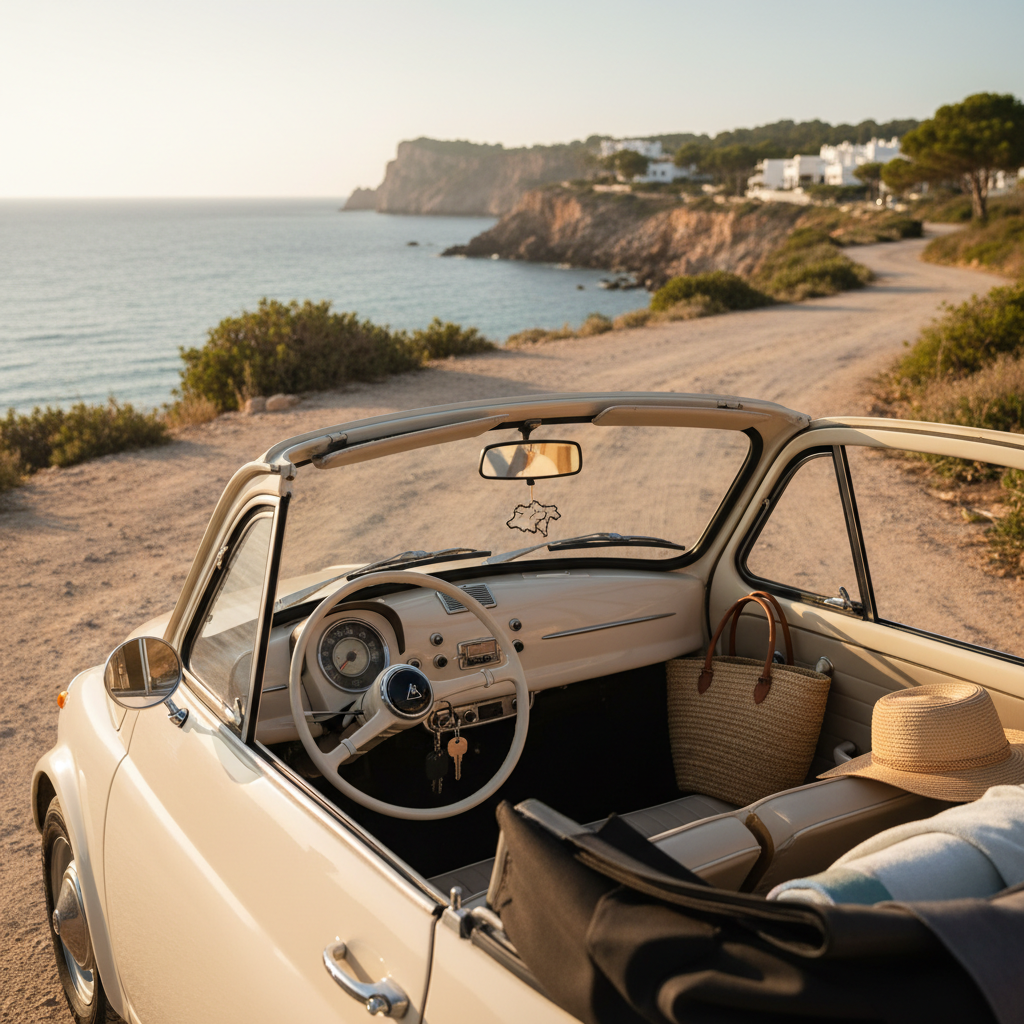
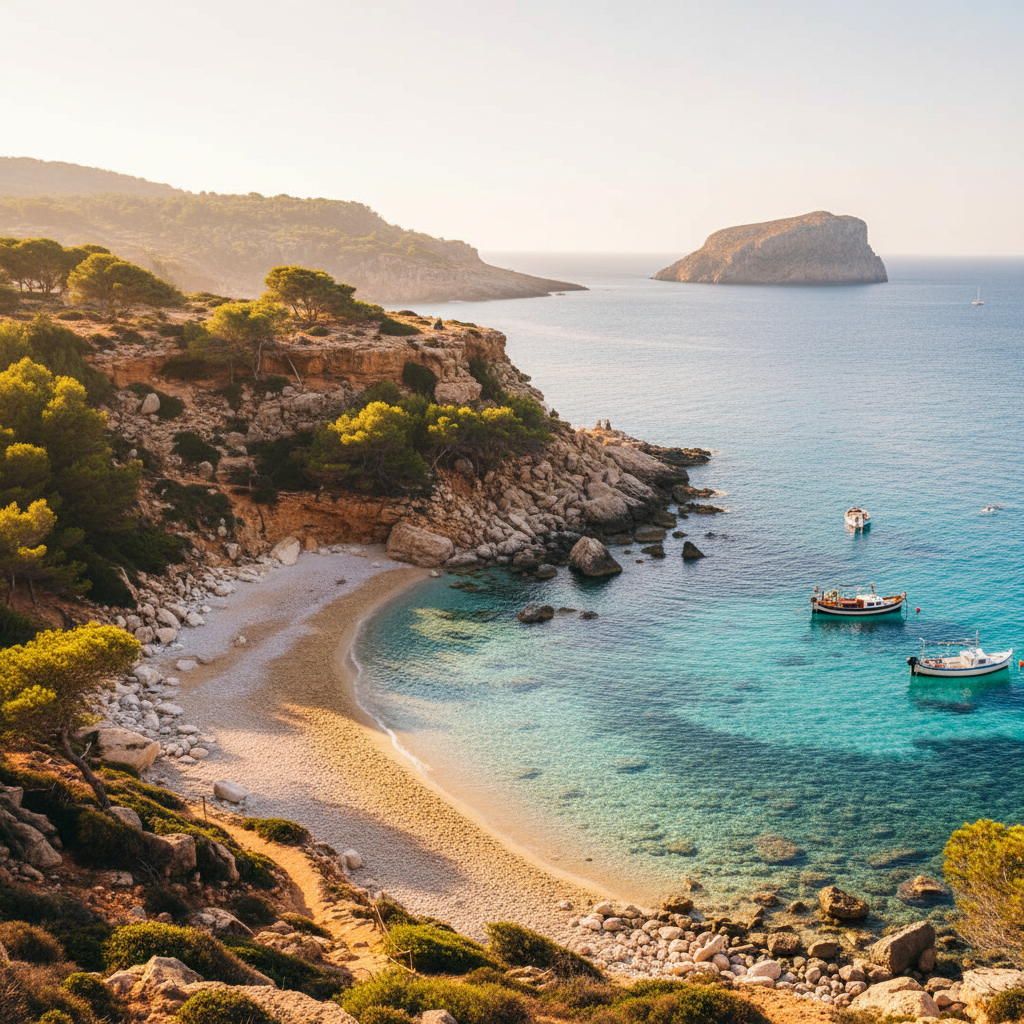
One of the most compelling reasons to choose a ferry is the ability to bring your own vehicle to the island. This offers unparalleled freedom and flexibility once you arrive, especially if you plan to explore remote beaches like Es Portitxol or venture into the rural heartland of San Juan. However, travelling with a car, motorbike, or even a campervan requires careful planning.
Why Bring Your Car?
Ibiza, while compact, is best explored with a vehicle. Public transport is decent for getting between major towns and some popular beaches, but it won't get you everywhere. Hiring a car on arrival can be pricey, especially in peak season (July-August), and availability can be limited. Bringing your own vehicle eliminates these concerns and the hassle of transfers between the port and your accommodation. For extended stays or specific requirements (e.g., carrying watersports equipment or multiple pieces of luggage), it’s often the most practical solution. Additionally, exploring the lesser-known, rugged parts of the island, like the hidden coves near Cala Vadella or the scenic routes around Santa Agnès de Corona, is significantly easier with your own transport.
Booking Your Vehicle Spot
Crucially, always book your vehicle's spot well in advance, particularly for summer travel (June-September). Vehicle spaces are finite and sell out quickly. When booking online, you'll need to specify the make, model, and dimensions of your vehicle, including any roof racks or trailers. Be precise, as discrepancies at check-in can lead to delays or even refusal of boarding. Prices vary significantly based on vehicle type (car, motorbike, campervan), size, and time of year. A standard car might cost anywhere from €60 to €200 each way, separate from passenger tickets.
Boarding and Disembarking
Vehicle boarding usually closes 60-90 minutes before the scheduled departure, so arrive early. Follow the clear signage at the port to the vehicle check-in lanes. Staff will direct you to your parking spot on the vehicle deck. Take note of your deck number and a distinctive landmark to help you find your car later. Once parked, you'll typically be asked to leave the vehicle deck and proceed to the passenger areas. Access to vehicle decks is usually restricted during the crossing for safety reasons, so ensure you have all your necessities (passport, medication, snacks) with you. Upon arrival, listen for announcements for vehicle deck access, usually 20-30 minutes before docking. Disembarking is generally a swift, organised process.
Ticket Types & What to Expect Onboard
Ferry tickets offer more flexibility than air travel, with various classes and amenities to choose from.
Seating Options
- Economy (Butaca Estándar): This is the most basic and common option, usually comfortable reclining seats in a communal lounge area. Perfectly adequate for shorter, daytime crossings. Expect basic airline-style seating.
- Superior/First Class (Butaca Superior/Clase Primera): Offers more spacious seating, sometimes with power outlets, and often in a quieter, less crowded lounge. Well worth the upgrade for longer daytime journeys or if you need to work or simply prefer more personal space.
- VIP/Premium Lounges: Some fast ferries or longer conventional routes offer dedicated lounges with even more comfort, complimentary snacks/drinks, and dedicated service. These often come with a significant price premium.
Cabins: For the Overnight Voyage
For overnight crossings (most common from Barcelona and sometimes Valencia), a cabin is a highly recommended investment.
- Internal Cabins: No window, but private, with beds, en-suite bathroom, and often air conditioning. Perfect for a restful night's sleep.
- External Cabins: Similar to internal but with a porthole or window, offering natural light and sea views. Generally slightly more expensive.
- Suites/Family Cabins: Larger, more luxuriously appointed cabins, sometimes with a separate sitting area or accommodating more people.
- All cabins typically include fresh linen and towels. Booking cabins well in advance is essential, especially during peak season, as they are limited.
Onboard Amenities
What’s available depends heavily on the operator and vessel.
- Restaurants & Cafeterias: Most ferries feature self-service cafeterias offering hot meals, sandwiches, and drinks. Larger conventional ferries might have à la carte restaurants, pizzerias, or snack bars. Prices are generally higher than on the mainland.
- Bars: Often found on multiple decks, serving alcoholic and non-alcoholic beverages.
- Shops: Duty-free shops sell perfumes, tobacco, alcohol, confectionery, and occasionally local crafts.
- Children's Play Areas: Some larger ships have dedicated spaces with games or even soft play areas for younger passengers.
- Outdoor Decks: Essential for enjoying the sea air and views. You'll find plenty of seating, and often sun loungers. This is where you'll want to be as Ibiza approaches!
- Wi-Fi: Often available, but usually for a fee and can be inconsistent due to satellite connection. Don't rely on it for critical work.
- Pet Facilities: Dedicated pet-friendly cabins or kennels are available on some routes. This is a crucial consideration if travelling with your furry companion. Always check the specific operator's pet policy meticulously when booking.
Pricing Realities & Booking Strategies
Ferry prices are dynamic, fluctuating based on demand, time of year, operator, and how far in advance you book. Consider these strategies to secure the best fares.
When to Book
- Early Bird Catches the Worm: For peak season travel (July-August) and popular weekend departures, book 3-6 months in advance. Prices can easily double or triple closer to the travel date.
- Shoulder Season Sweet Spot: If travelling in May, June, September, or October, 1-2 months in advance is usually sufficient for good prices.
- Off-Season Deals: In the quieter months (November-April), you can often find last-minute deals, though routes might be less frequent.
Understanding Price Components
- Passenger Fare: Based on age (adult, child, infant) and seating class.
- Vehicle Fare: Based on vehicle type, size, and sometimes weight.
- Cabin Fare: If selected, per cabin (not per person in the cabin).
- Extras: Pet tickets, special luggage (e.g., bikes not in a car), Wi-Fi packages.
- Dynamic Pricing: Be aware that prices can change even within a day. Clear your browser cookies or use incognito mode when comparing prices.
How to Book
- Operator Websites: Booking directly through Baleària, GNV, or Trasmed's official websites is generally the most straightforward and reliable method. This ensures you have direct access to their customer service in case of changes or issues.
- Comparison Sites: Websites like Ferryhopper.com or DirectFerries.com allow you to compare prices and routes across multiple operators. While convenient, always double-check the final price and terms on the operator's actual site before confirming.
- Travel Agents: Local travel agents in Spain can also assist with bookings, especially if you're combining the ferry with other travel arrangements.
Estimated 2025/2026 Prices (One-Way, Adult, Mid-Season)
- Denia to Ibiza (Fast Ferry): €50 - €90 (economy seat, no vehicle). If you add a standard car, expect the total to be €120 - €250.
- Valencia to Ibiza: €40 - €80 (economy seat, no vehicle). With a standard car, €100 - €220. Overnight cabin adds €60 - €150.
- Barcelona to Ibiza (Overnight): €60 - €100 (economy seat, no vehicle). With a standard car, €150 - €300. Overnight cabin adds €70 - €180.
These are indicative prices. Factors like promotions, specific sailing times (night voyages are often cheaper than day, but sometimes have a different perceived value), and how far in advance you book will heavily influence the final cost.
Arrival in Ibiza: Disembarking and Beyond
Your journey culminates with arrival at the vibrant port of Ibiza Town (Eivissa), a bustling entry point to the island. Fast connections from Denia sometimes arrive at San Antonio /hubs/villages-towns, offering an alternative disembarkation point if your accommodation is on that side of the island.
Ibiza Town Port (Eivissa)
The main port in Ibiza Town is efficient and well-organised.
- Location: Directly adjacent to the old town (Dalt Vila) and the modern marina areas.
- Vehicle Disembarkation: Once you retrieve your vehicle, you'll quickly find yourself on the main roads leading out of Eivissa. Pay careful attention to one-way systems, especially around the Marina Botafoch and Vara de Rey areas.
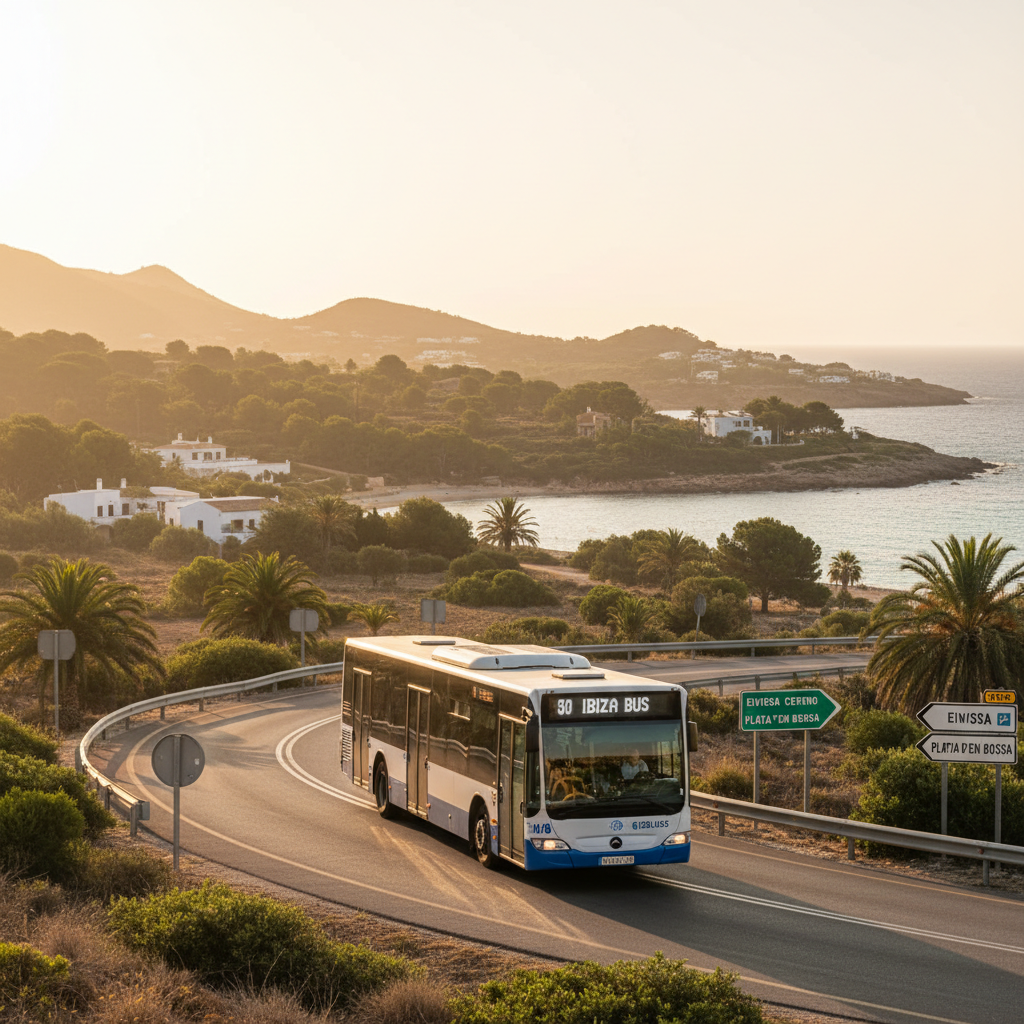
- Pedestrian Disembarkation: You'll exit directly into the port area. Taxis are usually waiting just outside the terminal. A taxi to Playa d'en Bossa might cost €15-€20, to San Antonio €25-€30, and to Santa Eulalia €20-€25. Local buses also serve the port, connecting to the main bus station (Estació d'autobusos de Eivissa) /hubs/transport, about a 15-minute walk or short bus ride away, from where you can connect to most parts of the island.
- Car Hire: If you're not bringing your own car, numerous car hire agencies have offices within walking distance or offer complimentary shuttle services from the port to their off-site pick-up points. Ensure you've pre-booked, especially for summer!
San Antonio Port
A convenient alternative, especially if staying in the west. Baleària operates some fast ferry services to San Antonio.
- Location: Directly in the heart of San Antonio, with easy access to the Sunset Strip, beaches like Caló des Moro, and the town's numerous hotels.
- Vehicle Disembarkation: Similar to Ibiza Town, you'll be directed off the ferry and onto the town's main roads.
- Pedestrian Disembarkation: Taxis and local buses are readily available. Bus connections to Ibiza Town, Sant Josep, and various west coast beaches are excellent from San Antonio's bus station.
Practical Tips for a Smooth Crossing
A little preparation goes a long way in ensuring your ferry journey is as enjoyable and stress-free as possible.
- Arrive Early: Especially if travelling with a vehicle. For vehicle check-in, aim for 90-120 minutes before departure. For foot passengers, 60 minutes is generally sufficient, but earlier allows for a relaxed boarding process and first pick of desirable seats.
- Identification: Keep passports or national ID cards readily accessible. All passengers, including children, require valid ID. Even for domestic Spanish routes, photo ID is essential.
- Motion Sickness: The Mediterranean can be calm, but it can also get choppy, especially on fast ferries. If you're prone to seasickness, take preventative medication an hour before departure. Opt for an outdoor deck or a central position in the vessel for less motion.
- Pack Smart: If you have a cabin, your luggage can stay there. If in a seat, consider a smaller carry-on with essentials like medication, a book, snacks, a refillable water bottle, and entertainment for kids. Larger luggage will be stored in designated areas, or in your vehicle if applicable.
- Food & Drink: While onboard catering is available, it can be expensive. Consider bringing your own snacks, sandwiches, and drinks (non-alcoholic) to save money.
- Staying Entertained: Charge your devices, download movies or podcasts, and bring physical books or games. The sea views are magnificent, but for longer voyages, having personal entertainment is key.
- Weather Watch: Keep an eye on the weather forecast. Extremely rough seas can occasionally lead to delays or, in rare cases, cancellations, particularly for fast ferries. Operators will usually notify passengers if this occurs.
- Sun Protection: If spending time on the outer decks, the Mediterranean sun is strong. Wear sunscreen, a hat, and sunglasses.
- Pet Travel: If bringing a pet, ensure they have sufficient water, food, and comfort. Respect rules regarding pet-designated areas.
- Flexibility: While ferries are reliable, sometimes schedules shift. Build a little buffer into your plans, especially if you have connecting flights or appointments.
The ferry journey to Ibiza is more than just a means of transport; it's an initiation. It’s a chance to decelerate, to absorb the magnitude of the sea, and to feel the island pull you in long before you set foot on its soil. From the diverse departure points to the variety of vessels and onboard experiences, choosing the right ferry can significantly enhance the beginning of your Balearic adventure. Embrace the sea, enjoy the views, and anticipate the magic that awaits in the White Isle. For further insights into navigating the island once you've arrived, remember to consult our detailed guide on /hubs/transport, which covers everything from bus routes to scooter rentals.