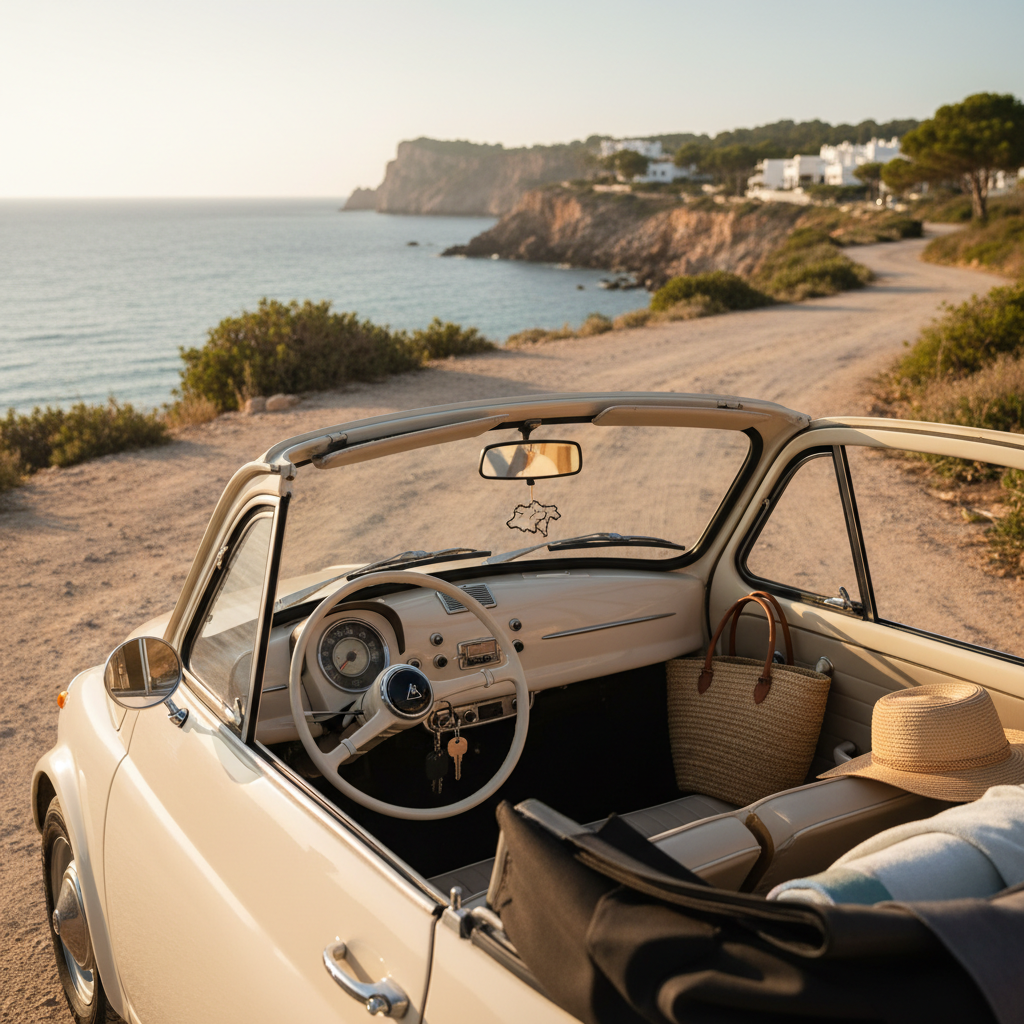
Renting a Car in Ibiza: What to Know
Everything you need to know about renting a car in ibiza: what to know in Ibiza — practical info, local tips and where to go next.
Why Renting a Car in Ibiza is Non-Negotiable (Unless You're a Very Specific Kind of Visitor)
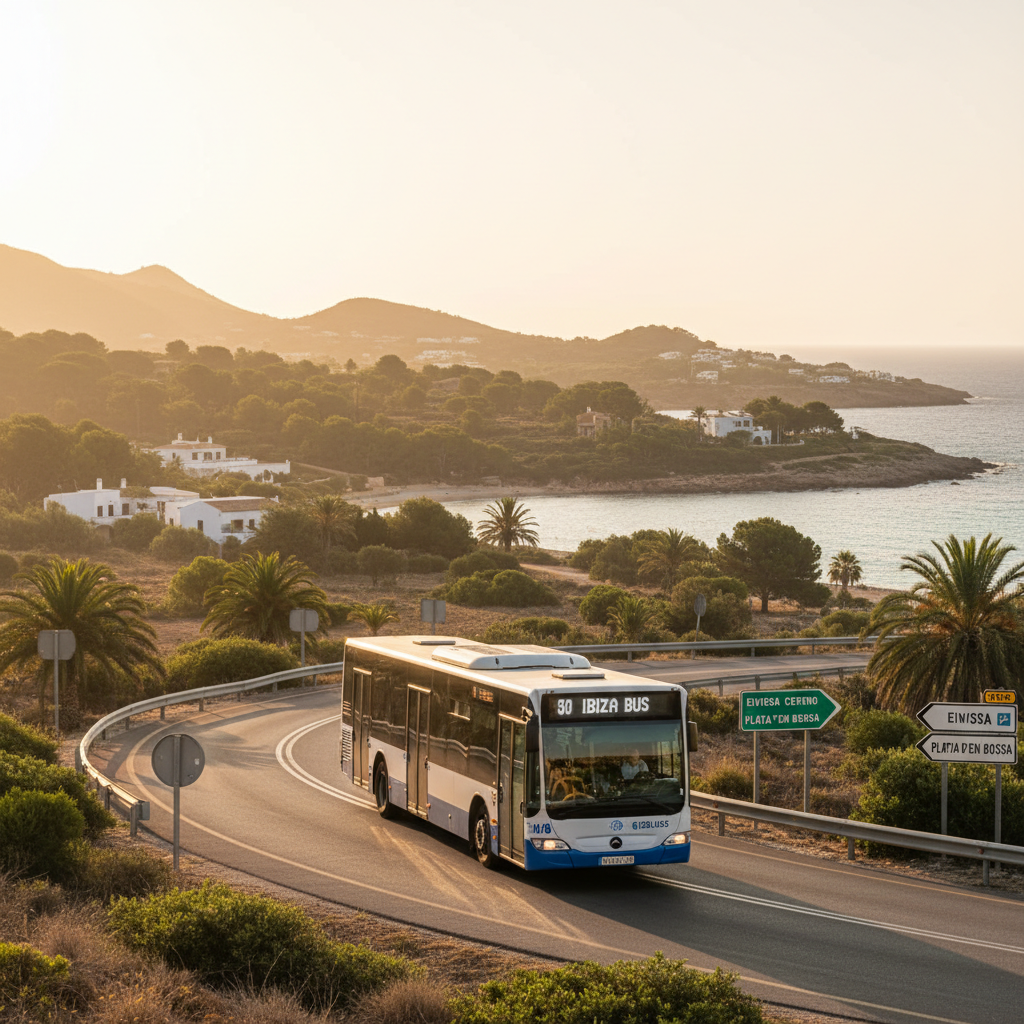
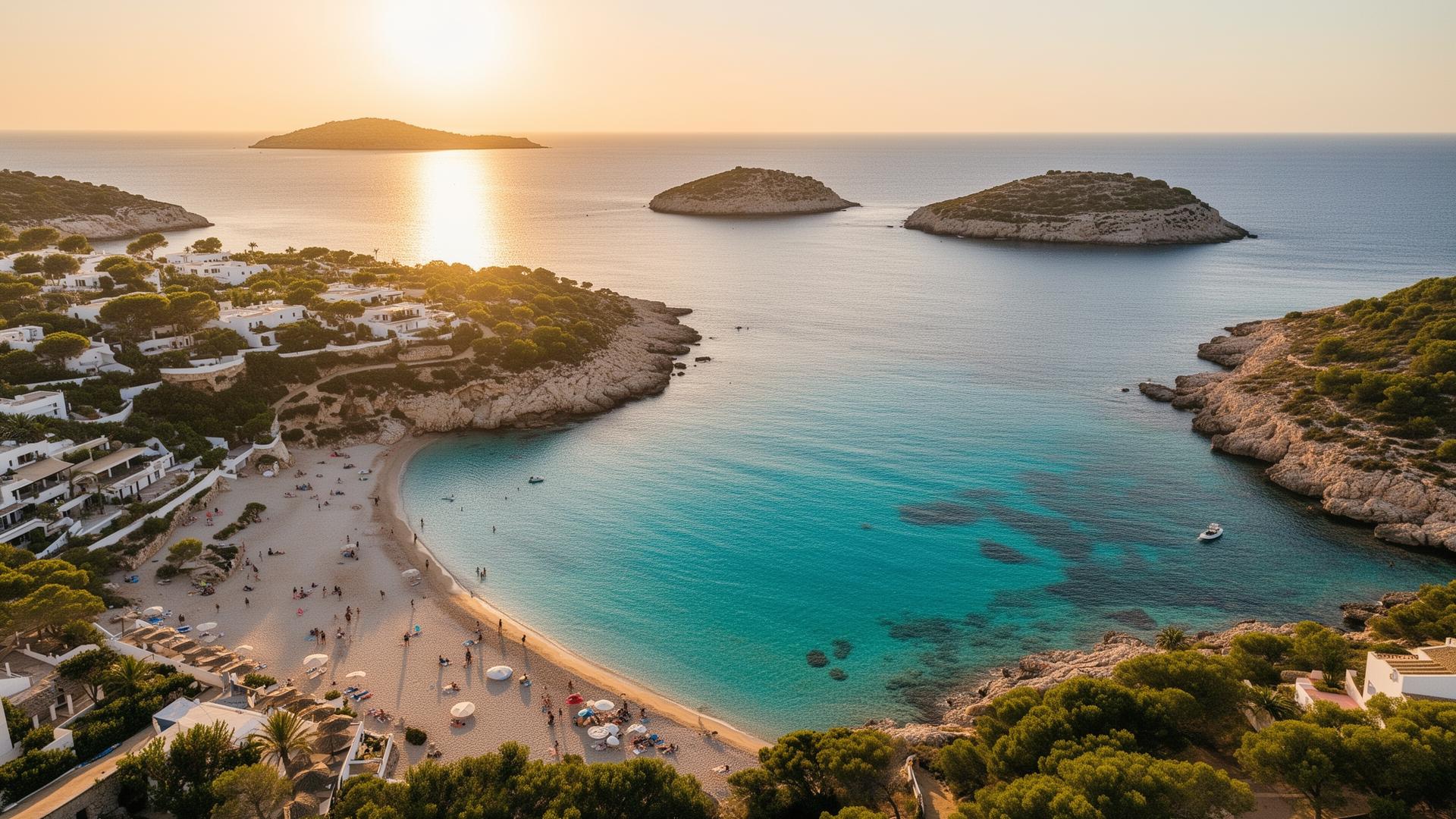
Let's be brutally honest: if your Ibiza experience is strictly confined to a single resort in San Antonio or Playa d'en Bossa, and your itinerary involves little more than pool-to-bar-to-club and back, then you might get by without a car. For everyone else – the explorers, the foodies, the beach-hoppers, the sunset seekers, the families, the adventurers, and anyone who wants to peel back the layers of this diverse island – a rental car is less of an option and more of a fundamental necessity. Public transport, while present, doesn't always go where you want, when you want it, especially to those hidden coves or authentic inland restaurants. Taxis can be expensive and notoriously hard to flag down during peak season, particularly after a big night out. Ride-sharing apps are still finding their footing and aren't always reliable island-wide. Trust me, the freedom that comes with your own set of wheels transforms an enjoyable trip into an unforgettable exploration. You'll be able to chase the perfect sunset at Cala Comte, spend a morning at the tranquil northern beaches like Cala Xuclar, grab lunch at a campo restaurant in Santa Gertrudis, and still be back for cocktails in Ibiza Town – all in one glorious day.
Timing Your Rental & Booking Smart: Avoiding the Peak Season Scramble
This is critical. Ibiza operates on a distinct seasonal rhythm, and car rental prices and availability fluctuate wildly with it.
High Season (July & August): If your travel dates fall within these months, consider booking your car at least 4-6 months in advance. Seriously. The demand is astronomical, and late bookings often result in either no cars, exorbitant prices (think 70-100€ per day for a compact), or being stuck with a car class you didn't want. Don't assume you can get a great last-minute deal; those days are long gone.
Shoulder Seasons (May, June, September, October): These are fantastic times to visit, and car rental is generally more reasonable. Booking 2-3 months ahead should secure you a good vehicle at fair rates (expect 35-60€ per day for a compact). Availability is usually fine, but the best deals still go to early birds.
Low Season (November - April): If you're visiting off-season, you'll be spoiled for choice. Prices can drop to as low as 20-30€ per day for a compact, and booking a few weeks in advance is usually sufficient. Many smaller, local rental companies even offer long-term deals that are incredibly attractive for those staying a month or more.
Where to Book? While you might be tempted by big international names like Hertz, Avis, or Europcar (which are certainly available at the airport), don't overlook reputable local companies. Often, they offer competitive pricing, sometimes include slightly better insurance options, and their customer service can be more personalized. Companies like Class Rent a Car, Moto Luis, and Autos Es Cana are well-regarded on the island. Always compare prices across several platforms (aggregators are good starting points, but check individual company sites too) and, crucially, read the reviews about their specific Ibiza branch. A global brand might have a terrible local franchise.
Pro-Tip: Many agroturismo hotels and some higher-end villas have relationships with local car rental companies and can sometimes secure you better rates or even have the car delivered directly to your accommodation. Always ask when booking your stay!
Decoding the Insurance Labyrinth: CDW, Excess, and Full Coverage
Insurance is where many budget-conscious travelers get tripped up, often to their regret. Understanding the options is paramount.
Collision Damage Waiver (CDW): This is almost always included in the base price. It limits your financial liability for damage to the rental car, but it usually comes with a hefty "excess" or "deductible." This excess can be anywhere from 600€ to 2000€, meaning if you cause damage totaling 1500€ and your excess is 1000€, you're out 1000€. The rental company will pre-authorize this amount on your credit card.
The Full Coverage Upsell: When you pick up the car, the agent will almost certainly try to sell you their "super CDW" or "full coverage" insurance. This typically eliminates the excess entirely, covering even minor dings, scratches, and often tires/underbody damage (which basic CDW usually doesn't). It can add 15-30€ per day to your rental cost.
Third-Party Alternatives: Instead of buying the rental company's expensive full coverage, consider these options:
- Credit Card Insurance: Many premium credit cards (especially in the US) offer rental car insurance as a benefit. Crucially, check the terms and conditions carefully. Does it cover the specific country (Spain)? Does it cover CDW and loss-of-use fees? Does it cover luxury vehicles if you've opted for one? You'll still need to put down the excess pre-authorization with the rental company, but if damage occurs, you file a claim with your credit card company.
- Standalone Rental Car Excess Insurance: Companies like Worldwide Insure or Insure4Hire specialize in selling annual or per-rental excess insurance policies. These are often significantly cheaper than the rental company's daily rate and provide essentially the same coverage. Again, you'll still pay the excess to the rental company first, then claim it back from your independent insurer.
My Advice: Unless you have incredibly robust credit card insurance that you've confirmed for Spain, get some form of full coverage to eliminate the excess. Ibiza's roads, particularly in rural areas, can be narrow, unpaved near beaches, and parking can be tight. A stray goat, a brush with an olive tree, or an enthusiastic scooter driver can quickly lead to damage. The peace of mind is worth the extra cost. Don't let your vacation joy be ruined by an unexpected 800€ bill for a fender bender.
What You Need to Bring: Documents and Driving Essentials
Don't arrive unprepared. Here’s your checklist:
- Valid Driving Licence: Your standard national driving license is perfectly fine if you're from the EU/EEA, UK, USA, Canada, Australia, or New Zealand, provided it's printed in a Roman alphabet. For other countries, an International Driving Permit (IDP) alongside your national license may be required. Always check specific requirements for your nationality.
- Credit Card: This is essential not just for payment but also for the security deposit/excess pre-authorization. Ensure it has sufficient credit limit. A debit card will not work for the security deposit; it must be a credit card.
- Passport or ID Card: For verification purposes.
- Rental Confirmation: Print it out or have it easily accessible on your phone.
- Car Seat (if traveling with young children): Legally required for children under 135 cm (roughly 4 feet 5 inches) or under 12 years old. You can rent one from the car company, but often they are expensive (10-15€ per day) and of dubious quality. Consider bringing your own if permitted by your airline – it's safer and more cost-effective for longer trips. (/hubs/family-travel might offer more specific advice).
Navigating Ibiza's Roads: Rules, Quirks, and Parking Pains
Driving in Ibiza isn't particularly challenging for experienced drivers, but there are some local specificities to be aware of.
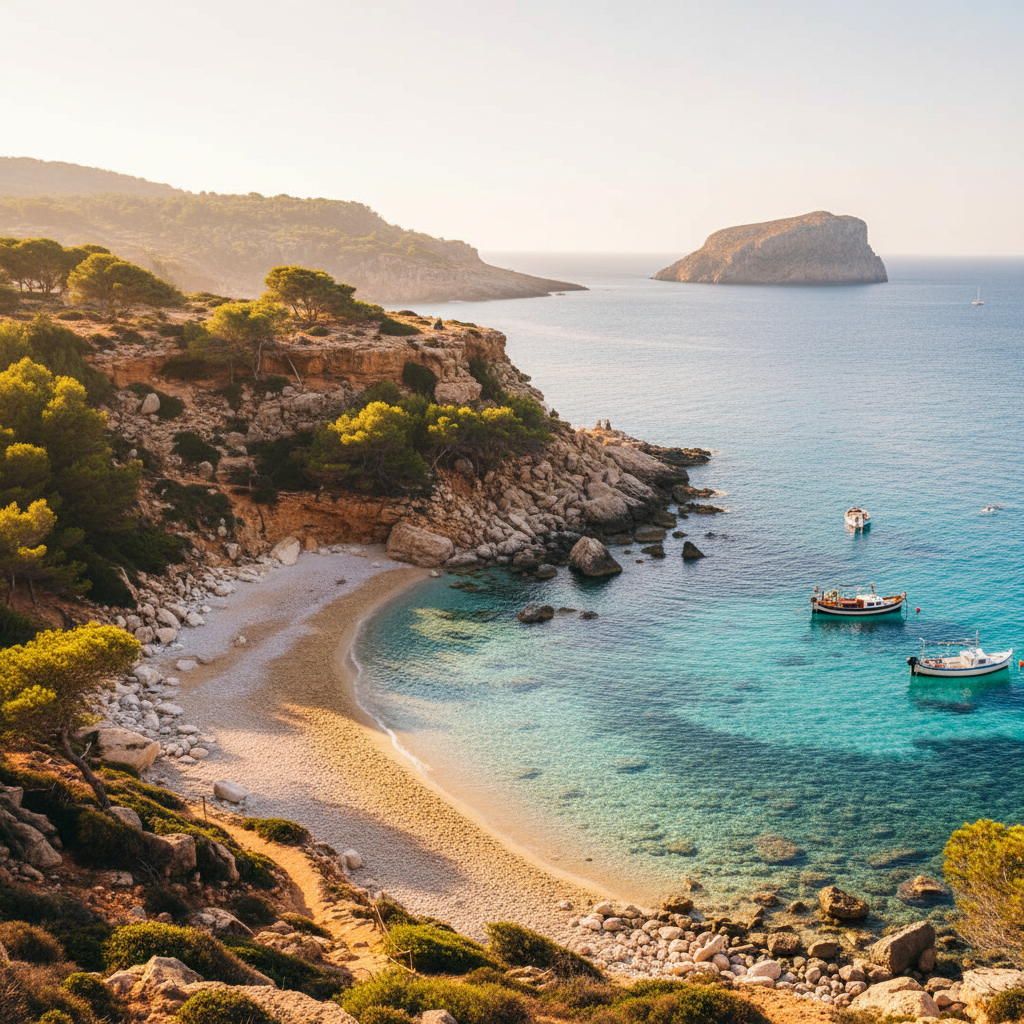
Road Quality: Main roads (like the E-10 connecting Ibiza Town to San Antonio or the road to Santa Eulària des Riu) are generally well-maintained. However, roads leading to remote beaches (e.g., Cala d'Hort, Cala Tarida) can be steep, narrow, winding, and sometimes unpaved in the final stretches. Drive cautiously.
Speed Limits:
- Urban areas: 30-50 km/h
- Rural roads: 90 km/h
- Highways (like the multi-lane road from the airport to Ibiza Town): 120 km/h Speed cameras are present, so stick to the limits.
Roundabouts: Ibiza has a lot of them. Always give way to traffic already in the roundabout. Indicate your exit clearly.
Drinking & Driving: ZERO TOLERANCE. Spain has strict laws. Even a small amount of alcohol can put you over the limit. Taxis are expensive, but a DUI conviction is far more costly (and dangerous). Plan ahead if you're going out.
Parking: This is often the biggest headache.
- Blue Zones (Zona Azul): Paid parking. You'll find these in Ibiza Town, Santa Eulària, San Antonio, and other urban centers. Look for blue lines painted on the road. You pay at nearby machines with coins or often a specific app (e.g., "Telpark"). Operating hours vary (typically 9/10 AM – 2 PM and 4/5 PM – 8/9 PM, free outside these times and Sundays). Overstaying will lead to a fine.
- White Zones: Free parking. These are gold dust! You'll often find them just outside the blue zones, or in undeveloped areas.
- Yellow Lines: No parking at all, usually indicating a bus stop, taxi stand, or emergency vehicle access. Do not park here.
- Beach Parking: Many popular beaches (like Cala Bassa or Las Salinas during summer) have designated parking lots, often with an attendant who will charge a small fee (3-6€) for the day. These fill up very quickly, especially by midday. For famous spots like Es Vedrà viewpoint or the Hippie Market at Las Dalias, arrive early to secure a spot.
- Hotels/Villas: Check if your accommodation offers parking. Many do, but some older hotels in crowded areas like Ibiza Town might not have private parking.
- General Rule: If you see a local squeezing their compact Fiat Panda into an impossible gap, it doesn't mean you should attempt it with your brand new rental SUV. Fines are common, and towing services operate efficiently.
Fuel Policy: Full-to-Full is Your Friend
This might seem minor, but a bad fuel policy can add unnecessary costs and frustration.
Full-to-Full: This is the most transparent and recommended option. You pick up the car with a full tank and return it full. Easy to manage, and you only pay for the fuel you actually use. Full-to-Empty (with prepaid fuel): Avoid this like a hangover. You pay for a full tank upfront (often at an inflated price per liter), and you're encouraged to return it empty. Unless you're planning on running the tank completely dry right before returning, you'll inevitably return it with fuel, effectively paying for fuel you didn't use. Full-to-Empty (without prepaid fuel): Less common now, but if offered, it means you're charged for the unpurchased full tank at an exorbitant rate upon return, plus a refueling service fee.
Always confirm the fuel policy when booking and again at the counter. Stick to full-to-full. Finding petrol stations (gasolineras) is easy enough in most parts of the island, though they are less frequent in the north. Most accept card payments.
Vehicle Choice: What to Rent for Your Ibiza Adventure
Your ideal car depends on your group size, budget, and planned activities.
- Small Compact (Fiat Panda, VW Polo, Opel Corsa): Perfect for couples or solo travelers on a budget. Easy to park, maneuver on narrow roads, and fuel efficient. If you're primarily staying in one area and taking shorter trips to nearby beaches, this is ideal.
- Mid-size Sedan/Hatchback (VW Golf, Seat Leon): Good for small families (3-4 people) or those wanting a bit more comfort and luggage space. A balanced choice for exploring the whole island.
- Small SUV (Nissan Juke, Renault Captur): If you anticipate visiting more rugged, unpaved beach access roads, or just prefer a slightly higher driving position, a compact SUV is a good option. They're still manageable for parking in towns.
- Convertible (Mini Cooper Convertible, Fiat 500 Cabrio): For the ultimate Ibiza vibe! Definitely more expensive, and luggage space is limited, but cruising to Cala Llonga with the top down is an experience. Book these very far in advance for summer.
- Larger SUV/Van: Only necessary for larger families (5+) or if you have a lot of bulky gear (e.g., dive equipment, surfboards). Parking can become a challenge in popular areas.
A Note on Appearance: Don't expect pristine, brand-new vehicles, especially in high season. Your rental car might have a few scratches or dings. Document everything with photos/videos upon pick-up, especially small existing damages, to avoid being blamed later.
Collecting and Returning Your Vehicle: The Airport Dance
Most rentals are collected and returned at Ibiza Airport (IBZ).
Airport Pick-up:
- Terminal Counters: The major international and some local companies have desks directly inside the terminal, usually to your right as you exit arrivals.
- Shuttle Bus: Many smaller local companies operate from an off-site depot a few minutes drive from the airport. They'll instruct you to wait at a designated shuttle stop (usually just outside the terminal to the left) for their free shuttle service. Factor this extra time (15-30 minutes each way) into your travel plans. Don't be fooled by unofficial touts offering "rides" – wait for the official company shuttle.
- Inspection: Take your time checking the vehicle for existing damage. Use your phone to take photos or a short video of every panel, the wheels, the interior, and the fuel gauge. Get the rental agent to initial or acknowledge any pre-existing damage on your paperwork. Better safe than sorry.
Returning the Vehicle:
- Signage: Follow signs for "Rent a Car / Devolución" (Returns) at the airport. You'll usually drop it in the specific company's designated area.
- Fuel: If you have a full-to-full policy, ensure the tank is genuinely full. Petrol stations are available close to the airport, but one nearest is about 3km away, so factor in travel time to that station and back to the airport.
- Inspection (Again): Ideally, have an agent inspect the car with you present. If you leave it in a designated spot and drop the keys, snap a final set of photos/videos of the car's condition, especially the fuel gauge and odometer reading, as proof of return condition.
Essential Gear for Your Rental Car: Beyond the Basics
Equip your car for maximum enjoyment.
- Phone Mount & Charger: A phone holder for navigation is indispensable. Google Maps or Apple Maps work well, but for more detailed off-road or obscure beach access, consider downloading offline maps (e.g., from Maps.me). A car charger is also a non-negotiable.
- Beach Towel & Bag: Always have them ready. You never know when you'll spot a tempting cove.
- Water & Snacks: Especially important for longer drives or if you're heading to a secluded beach without facilities.
- Small Cooler: Pack some local cerveza or hierbas ibicencas and keep them chilled for a sunset picnic.
- Sunscreen & Hat: Don't underestimate the Ibiza sun, even in the car.
- Aux Cable / Bluetooth Adapter: Ensure you can play your own tunes while cruising. Some older rental cars might only have an AUX input.
- Local Map (Paper): A good old-fashioned paper map can be a lifesaver if your phone dies or loses signal in rural areas. It also provides a satisfying overview of the island.
- Small Change: For parking meters or beach attendants.
Exploring the Island by Car: A Few Suggested Drives
With your rental car, the entire island opens up.
- The Northern Route: San Juan Loop: Start in Santa Gertrudis (grab coffee at Bar Costa), then head north through winding country roads to San Juan (Sant Joan de Labritja). From there, explore the wild northern beaches like Cala Benirrás (famous for its sunset drum circle - check specific days, usually Sundays) or the quieter bays of Portinatx. Loop back via Sant Mateu d'Albarca, stopping at a traditional bodega like Can Raguena for a wine tasting. This is quintessential rural Ibiza. (/hubs/villages-towns and /hubs/hiking-nature offer more ideas for this region).
- West Coast Sunset Trail: This is a classic. Head west towards Sant Agustí des Vedrà for a look at a traditional village, then work your way down the coast. Stop at Cala Vadella for lunch, then find your spot at Cala Tarida, Cala Comte (the most famous sunset spot), or the secret Cala Escondida for the evening spectacle. Afterwards, head to Sant Antoni (San Antonio) if you're looking for nightlife, or back east for sophisticated dining in Ibiza Town.
- South East Coast Discovery: Explore the salt flats of Las Salinas, then head to Cap des Falcó for incredible views. Continue towards Cala Jondal (home to Blue Marlin Ibiza for a glamorous beach club experience) and then Cala Llonga for a family-friendly vibe. Don't forget to pass through the picturesque village of Santa Eulària des Riu, especially its marina.
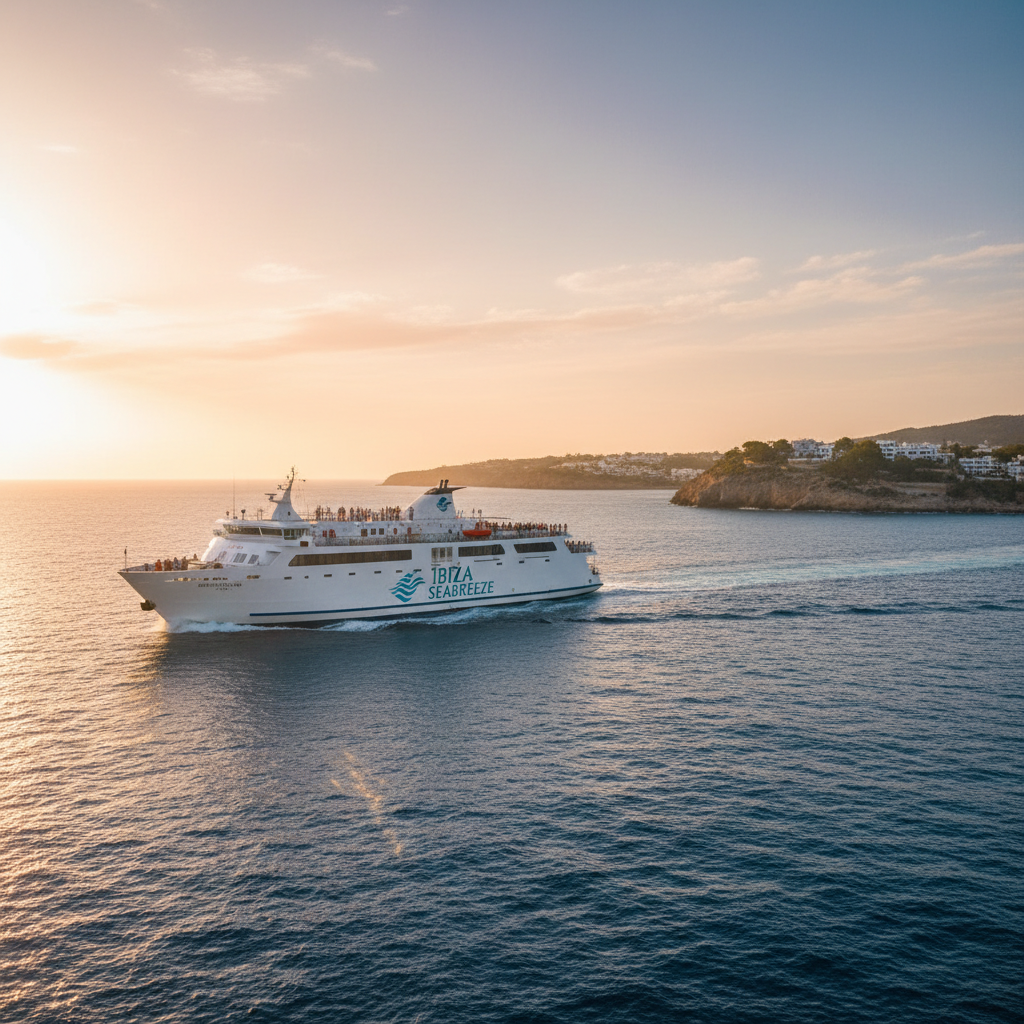
- Formentera Day Trip Considerations: While your Ibiza rental car cannot go to Formentera, having one on Ibiza means you can easily drive to Ibiza Town or Santa Eulària to catch one of the many ferries to Ibiza's sister island. Once there, you'll likely want to rent a scooter or bicycle to explore Formentera's pristine beaches. Check out /hubs/formentera for more details.
Having your own car means you're not beholden to bus schedules or expensive taxis. You can spontaneously decide to detour to a small campo restaurant you heard about, hunt for a hidden hippy market, or simply pull over at a scenic viewpoint that catches your eye. Embrace the freedom, and your Ibiza adventure will undoubtedly be richer for it.