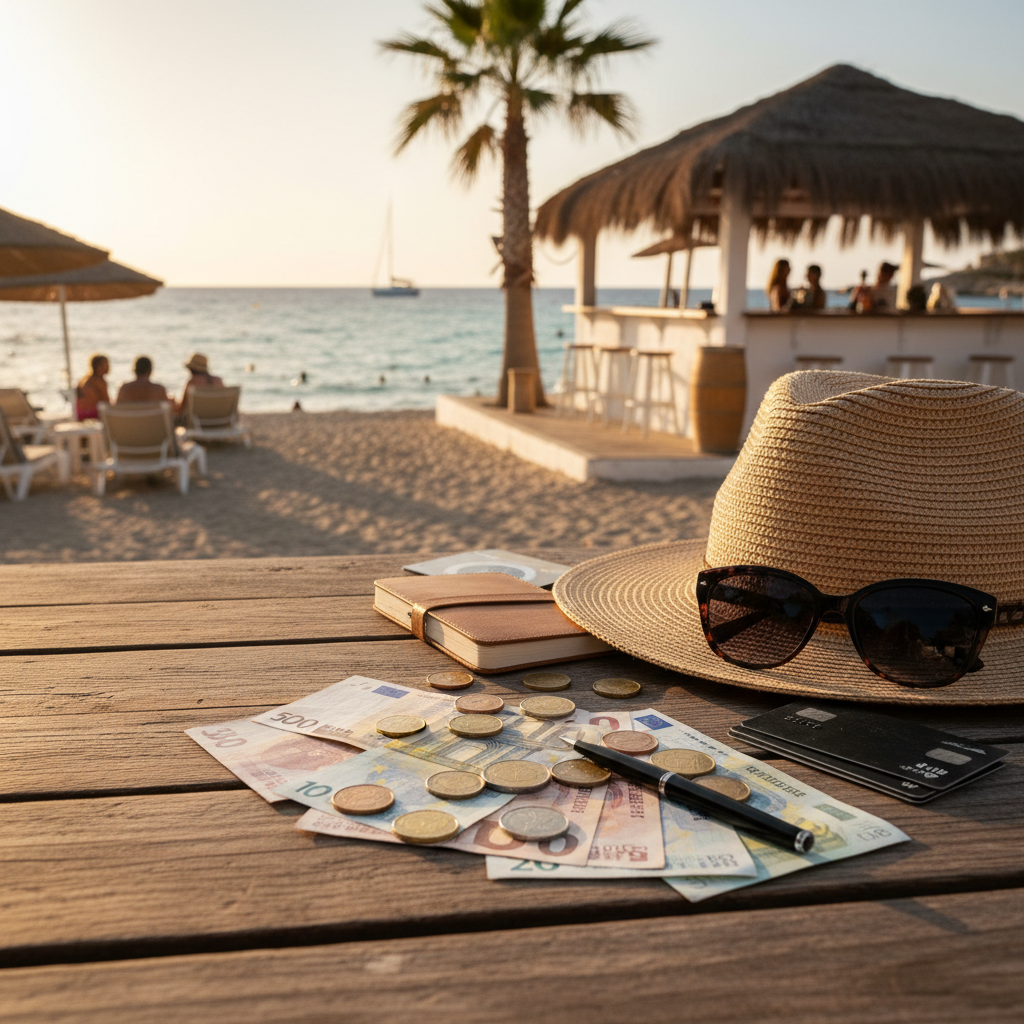
Money, Currency and Tipping in Ibiza
Everything you need to know about money, currency and tipping in ibiza in Ibiza — practical info, local tips and where to go next.
The Euro: Your Gateway to Ibizan Indulgences
Ibiza operates on the Euro (€), like most of the European Union. This isn't groundbreaking news, but understanding its practical implications for your island adventure is crucial. While Ibiza might be renowned for its hedonistic luxury, even the most discerning traveler needs to manage their finances effectively to truly savor the experience. From poolside cocktails at Experimental Beach to a market haul at Las Dalias, every transaction will be in euros.
The exchange rate will, of course, fluctuate, but for planning purposes, assume a stable rate against your home currency. It's always wise to check current rates just before your departure. Most international debit and credit cards (Visa, Mastercard, American Express) are widely accepted across the island, from the upscale boutiques of Marina Botafoch to the bustling bars of San Antonio's Sunset Strip. However, it's the nuances of cash versus card, ATM availability, and local banking practices that truly define a smooth financial experience here.
Cash vs. Card: A Balancing Act
While card payments are prevalent, don’t underestimate the utility of carrying some cash. For instance, many beach chiringuitos, especially the more rustic ones like Es Torrent or El Chiringuito de Es Cavallet, might prefer cash for smaller transactions or even operate on a cash-only basis during peak hours to streamline service. The same applies to local craft markets, like the Punta Arabí Hippy Market, where vendors often prefer euros in hand. Taxis, particularly those hailed on the street rather than booked via an app, frequently prefer cash, though some newer vehicles are equipped with card terminals. Even a small €20-€50 note for incidental purchases, tips, or an emergency taxi fare can save you an unexpected detour to an ATM.
For larger expenses – hotel bills, multi-course dinners at establishments like Sublimotion or Izakaya at the W Hotel, or significant purchases at designer stores on Vara de Rey – cards are universally accepted and often preferred for security and record-keeping. Always inform your bank of your travel dates to avoid any inconvenient card freezes due to suspicious activity. Carrying a backup card from a different network (e.g., one Visa and one Mastercard) is a prudent measure.
ATM Availability and Fees: Tread Carefully
ATMs (cajeros automáticos) are readily available in all major towns and tourist hubs: Ibiza Town, San Antonio, Santa Eulalia, and Playa d'en Bossa. You'll find them at most banks (Santander, CaixaBank, BBVA), often near supermarkets, or freestanding in high-traffic areas. However, be mindful of withdrawal fees. Your own bank will likely charge an international transaction fee, and the local ATM operator might add a commission on top. These can quickly add up. For example, a withdrawal of €200 could incur a €2-€5 fee from the local ATM, plus a percentage from your home bank.
A common pitfall is Dynamic Currency Conversion (DCC). When withdrawing cash or making a card payment, the ATM or point-of-sale terminal might offer to charge you in your home currency. ALWAYS decline this and choose to be charged in Euros. While it seems convenient, DCC providers use inflated exchange rates, costing you significantly more. Let your own bank handle the conversion, as they generally offer a more favorable rate.
For those venturing into smaller villages like San Carlos or Santa Gertrudis, ATM availability can be scarcer. It’s a good practice to withdraw a larger sum in a main town if you anticipate spending time off the beaten path. Also, remember that some ATMs, especially those not directly affiliated with a major bank, might have lower daily withdrawal limits, sometimes as low as €300. Plan your withdrawals accordingly. For detailed information on finding your way around, our /hubs/transport guide has more on getting to these smaller villages.
Tipping Etiquette: Navigating Ibizan Gratitude
Tipping in Ibiza, and Spain generally, is less prescriptive than in countries like the United States. It’s an act of appreciation for excellent service, not an obligation to supplement a low wage. Service charges are typically included in the price, especially in restaurants.
Restaurants and Cafes: For standard service at a casual restaurant or café, rounding up to the nearest Euro for a coffee or adding €1-€2 for a simple lunch is common. For a good meal at a mid-range restaurant (e.g., La Bodega in Ibiza Town for tapas, or Can Pujol for seafood in San Antonio Bay), a tip of 5-10% is generous and appreciated. If you’re dining at a luxury establishment, say, Lío or Nobu, and the service has been impeccable, 10-15% is appropriate, but never feel pressured. It’s about the quality of service. If you're with a larger group, check the bill carefully; sometimes a service charge is automatically added for parties of eight or more.
Bars and Nightclubs: At bars, rounding up your drink bill is standard. For example, if your round comes to €27, leaving €30 is a nice gesture. For bottle service in a club like Pacha or Hï Ibiza, a 5-10% tip for attentive service from your table host is suitable. The high cost of drinks already implies a premium experience, but good service always warrants recognition.
Taxis: For short rides, rounding up to the nearest Euro is sufficient. For a longer journey, perhaps from the airport to Portinax, rounding up or adding an extra €2-€5 is a good rule of thumb if the driver was helpful with luggage or navigating.
Hotel Staff: Porters who help with luggage (€2-€5 per bag, depending on the hotel’s standard), housekeepers (leaving €5-€10 on the pillow at the end of your stay for a week-long visit, or daily if you prefer), and concierge staff who provide exceptional assistance (e.g., securing coveted reservations for dinner at Casa Maca or tickets to a specific event) can be tipped with €5-€20 depending on the extent of their help.
Spa and Wellness Services: For massages or treatments at places like the Atzaró Spa or Six Senses Ibiza, a 10-15% tip for a good therapist is appropriate, similar to salon services in many other countries.
Guides and Excursion Leaders: If you’ve taken a boat trip to Formentera (discover more in our /hubs/formentera guide), a guided hike in the Santa Agnes valley, or a paddleboarding excursion, a tip of €5-€15 per person is a good way to thank your guide for their knowledge and effort.
Crucially, tips are always given directly to the person who provided the service, in cash. While some establishments might have a "tip jar" for staff, a direct hand-off ensures your appreciation goes to the right person.
Budgeting for Your Ibizan Experience (2025/2026 Estimates)
Ibiza isn't typically a budget destination, and costs can vary wildly based on your lifestyle choices. However, with careful planning, it’s possible to enjoy the island without breaking the bank. Here's a rough breakdown of what to expect:
Accommodation:
- Hostel/Budget Hotel: €50-€100 per night (e.g., Hostal La Torre – though famous for sunsets, rooms are reasonable; or some guesthouses in San Antonio).
- Mid-Range Hotel: €150-€350 per night (e.g., Hotel Mim Ibiza, Playa d'en Bossa, or Agroturismo Es Trull in the countryside).
- Luxury Hotel/Villa: €400+ per night (e.g., W Hotel, Bless Hotel Ibiza, or private villa rentals in Es Cubells).
- Insider Tip: Consider visiting in shoulder season (May, June, September, October) for significantly better rates on popular hotels. Read our /hubs/seasons-weather guide for more on this.
Food & Drink:
- Basic Breakfast: €5-€15 (coffee and pastry, or simple English breakfast).
- Casual Lunch: €15-€30 (tapas, bocadillo, pizza at a beach bar like Cala Gracioneta, or a simple main course).
- Mid-Range Dinner: €40-€80 per person (e.g., two courses with a couple of drinks at a place like Can Bofill in Ibiza Town).
- Fine Dining: €100-€300+ per person (e.g., Heart Ibiza, Roto, or the tasting menu at Lío).
- Supermarket Groceries: A week's worth of basic groceries for self-catering can be €50-€100.
- Cocktail: €15-€25 (at most bars, expect €20+ in high-end venues or clubs).
- Beer/Wine: €5-€10 per glass/bottle.
Nightlife & Entertainment:
- Club Entry: €40-€100+ (pre-sale tickets are almost always cheaper. For major DJs at Pacha, Amnesia, Hï Ibiza, Ushuaïa, expect closer to €70-€100, sometimes more for special events).
- Boat Parties: €60-€120 (often includes a few drinks).
- Sunset Sessions: Many beach bars offer free entry, just pay for drinks (e.g., Café del Mar area in San Antonio).
- Beach Club Entry/Bed Rental: €50-€300+ (depending on location and season; minimum spend at Ocean Beach Club can be €100+ per person for a simple day bed).
Transport:
- Airport Taxi to Ibiza Town/Playa d'en Bossa: €25-€35.
- Local Bus Ticket: €2-€5 for most routes.
- Taxi across the island (e.g., San Antonio to Santa Eulalia): €30-€50.
- Car Rental: €30-€80 per day (can be higher in peak season, lower if booked in advance or off-peak). Fuel adds considerably to this.
- Ferry to Formentera: €25-€40 return, depending on the operator and time.
Activities:
- Yoga Class: €15-€30.
- Water Sports (e.g., jet ski rental for 30 mins): €50-€80.
- Guided Hike: €30-€60.
- Shopping: From bohemian chic at Sluiz to designer labels in Ibiza Town, there’s no upper limit!
Savvy Spending: Making Your Euros Go Further
Ibiza is often associated with stratospheric prices, but smart choices can significantly reduce your expenditure without compromising on the experience.
- Eat Local: Step away from the main tourist strips. Explore places like Bar Anita in San Carlos for authentic Spanish food at reasonable prices, or venture into the heart of Ibiza Town's old quarter for simpler, family-run eateries. Look for "menú del día" (menu of the day) at lunchtime, which offers excellent value: typically a 2-3 course meal with a drink for €15-€25.
- Self-Cater: If you've opted for an apartment or villa with a kitchen, make use of it. Supermarkets like Eroski, Mercadona, and Lidl offer great value. Stock up on snacks, drinks, and ingredients for sandwiches or simple meals. This is especially useful for breakfasts and packed lunches for beach days at Cala Comte or Cala Bassa, often saving €30-€50 a day.
- Pre-Drinks: Club drinks are notoriously expensive. Enjoying drinks at your accommodation or at a bar with more local pricing before heading to a club can save a substantial amount. Even a few cocktails difference can equate to €50-€100.
- Buy Club Tickets in Advance: Never buy tickets at the door if you can avoid it. Official club websites, accredited resellers, or even your hotel concierge can often secure tickets at a better rate, sometimes saving €10-€20 per ticket. Look out for early bird offers released months in advance.
- Utilize Public Transport: Ibiza has a surprisingly efficient bus network connecting major towns and popular beaches. While taxis are convenient, they are expensive. A bus from San Antonio to Ibiza Town, for example, is a fraction of the cost of a taxi. For detailed bus routes and schedules, consult our /articles/ibiza-bus-guide.
- Off-Peak Travel: As mentioned, visiting in May, June, September, or October yields lower prices for flights, accommodation, and often even some activities, while still offering excellent weather and a vibrant but less frenetic atmosphere.
- Limit Cash Withdrawals: Minimize ATM visits to big sums to reduce cumulative fees. Use your card for larger purchases where possible, always opting to pay in Euros.
Financial Security: Protecting Your Pesetas (Old Habits Die Hard!)
While Ibiza is generally safe, economic crime can happen anywhere. Be mindful of your belongings, especially in crowded areas like Dalt Vila during peak season, busy markets, or packed nightclubs.
- Secure Your Valuables: Use hotel safes for passports, extra cash, and expensive jewelry. When out and about, carry only what you need.
- Beware of Pickpockets: Keep wallets in front pockets, use cross-body bags, and be extra vigilant in crowded spaces.
- ATM Safety: Use ATMs in well-lit, busy areas, preferably inside bank branches during opening hours. Be aware of anyone hovering nearby.
- Card Skimming: Always check card readers at POS terminals. If something looks amiss, use cash or a different payment method.
- Travel Insurance: This is non-negotiable. Protects against theft, loss of documents, medical emergencies, and trip cancellations.
The Future of Payments: Going Cashless (Almost)
Ibiza, like the rest of Europe, is gradually moving towards a more cashless society. Contactless payments are standard, and mobile payment apps like Apple Pay and Google Pay are widely accepted. This trend will only accelerate by 2025/2026. Many venues, especially newer establishments and beach clubs, might even prefer card payments purely for operational efficiency. However, the island's charm still lies partly in its traditional elements – the local market stall, the small family-run café – where cash will always hold sway.
So, while you might not need pockets stuffed with cash like in decades past, a sensible mix of physical euros and reliable card options will ensure your financial journey through Ibiza is as smooth and carefree as a perfect sunset at Cala d'Hort. Enjoy your spending, generously, but wisely.