Is Ibiza Safe? A Practical Safety Guide
Everything you need to know about is ibiza safe? a practical safety guide in Ibiza — practical info, local tips and where to go next.
Is Ibiza Safe? Debunking the Myths & Navigating Realities
Ibiza. The name conjures images of pulsating superclubs, sun-drenched beaches, and utopian sunsets. For many, it's a dream destination. For others, particularly those who've never visited or only seen sensationalized media, a lingering question might be: "Is Ibiza safe?" As someone who's lived on this island for years, I can tell you unequivocally that Ibiza is, by and large, a remarkably safe place. However, dismissing all concerns would be naive. Like any popular tourist destination, it has its nuances, its specific vulnerabilities, and its unique rhythms that, once understood, can ensure your trip is not only memorable but also trouble-free. This isn't a generic safety guide; it's an insider's view, grounded in real-world situations and offering practical advice for navigating Ibiza's specific landscape in 2025/2026.
Understanding the Local Crime Landscape: Low Violence, High Opportunity
Let's address the big one first: violent crime. Ibiza experiences very little violent crime, especially against tourists. You're far more likely to have an incredible night out or a transcendent sunset experience than you are to encounter any physical threat. The island thrives on tourism, and local authorities are highly motivated to maintain a safe environment. The most common type of crime visitors might unfortunately encounter falls into the category of opportunistic theft.
Think of it this way: a million-plus tourists descend on a relatively small island each summer, many carrying cash, expensive phones, and wearing designer items, often relaxed and perhaps a little (or a lot) inebriated. This creates a target-rich environment for petty thieves, typically operating in specific hotspots. These aren't hardened criminals; they're opportunists looking for an easy snatch. Understanding where and when these incidents are more likely is your first line of defense.
Superclubs and Their Surroundings: Navigating the Night
The superclubs are synonymous with Ibiza, and while they are generally well-managed internally, their peripheries can be areas of concern, particularly late at night or early in the morning when people are leaving.
- Pickpocketing Hotspots: Areas around Pacha, Amnesia, Privilege (if/when it reopens), and Ushuaïa/Hï Ibiza are prime targets. Specifically, the taxi queue at Amnesia or the walk from Ushuaïa back towards Playa d'en Bossa at 5 AM after a major closing party can see a surge in light-fingered activity. The crush of people, the dim lighting, and the general state of revelry make it easy for someone to slip a phone from a back pocket or an unzipped bag.
- Drink Spiking: While relatively rare, instances of drink spiking have been reported, primarily in crowded club venues. Always buy your own drinks directly from the bar. Don't accept drinks from strangers, and never leave your drink unattended, even for a moment. If you're with friends, make a pact to look out for each other. If you feel unwell or disoriented faster than expected, tell a trusted friend or a member of the club staff immediately.
- "Street Dealers": In the vicinity of clubs and sometimes in busier urban areas like the port of Ibiza Town, you might be approached by individuals attempting to sell drugs. These individuals are often operating illegally. Engaging with them not only carries legal risks (possession of illegal substances can lead to significant fines and even imprisonment in Spain) but also safety risks. The substances sold are often adulterated, overpriced, and dangerous. A firm "No, gracias" and walking away is the best approach. Do not engage in conversation.
- Taxi Scams: While official taxis are generally reliable, late at night, especially from major clubs, you might encounter unlicensed "pirate" taxis. These are illegal, uninsured, and often charge exorbitant fares. Stick to official white taxis with green license plates and the taxi light on top. Download the "Taxi Click Ibiza" app (/articles/transport) for regulated fares and a safer experience. A journey from Amnesia to San Antonio, officially around €25-€30, could be quoted at €80-€100 by an unlicensed driver.
Beach Safety: Sun, Sea, and Sensible Precautions
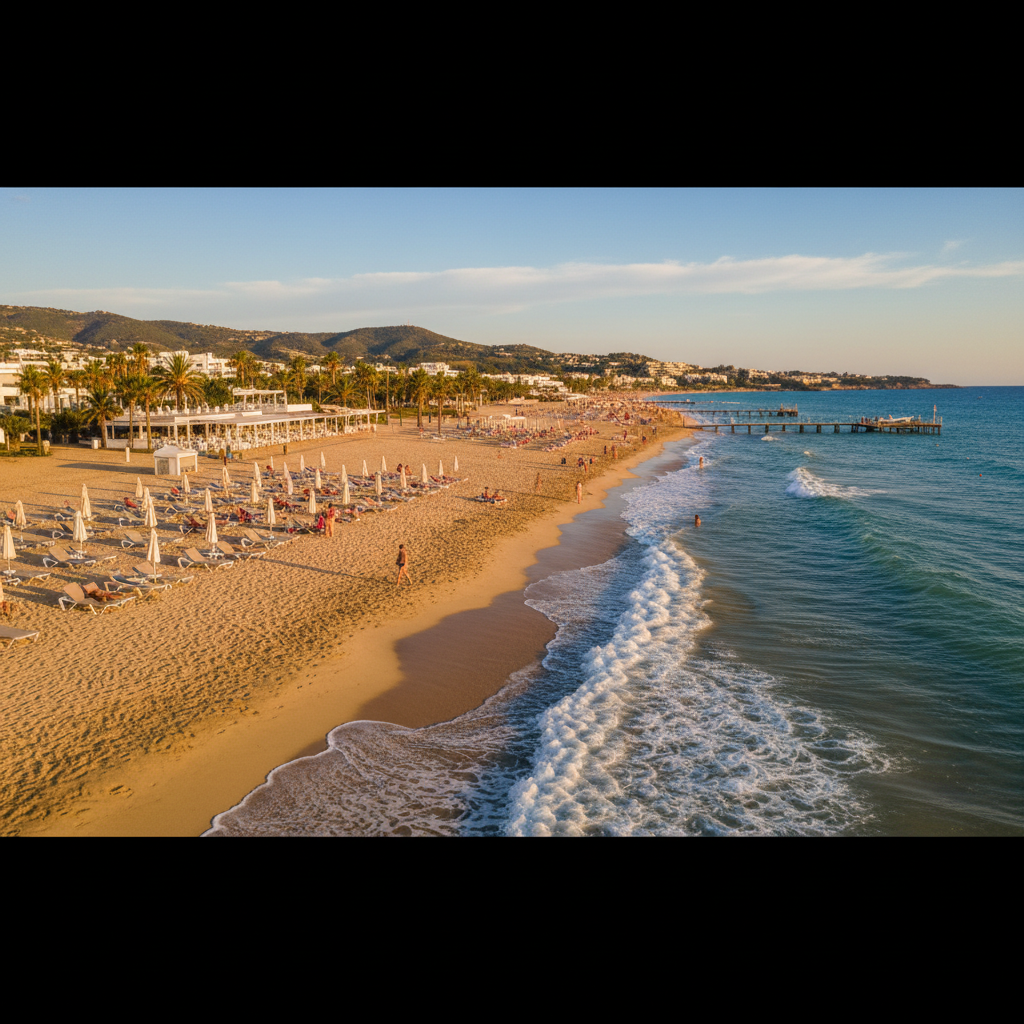
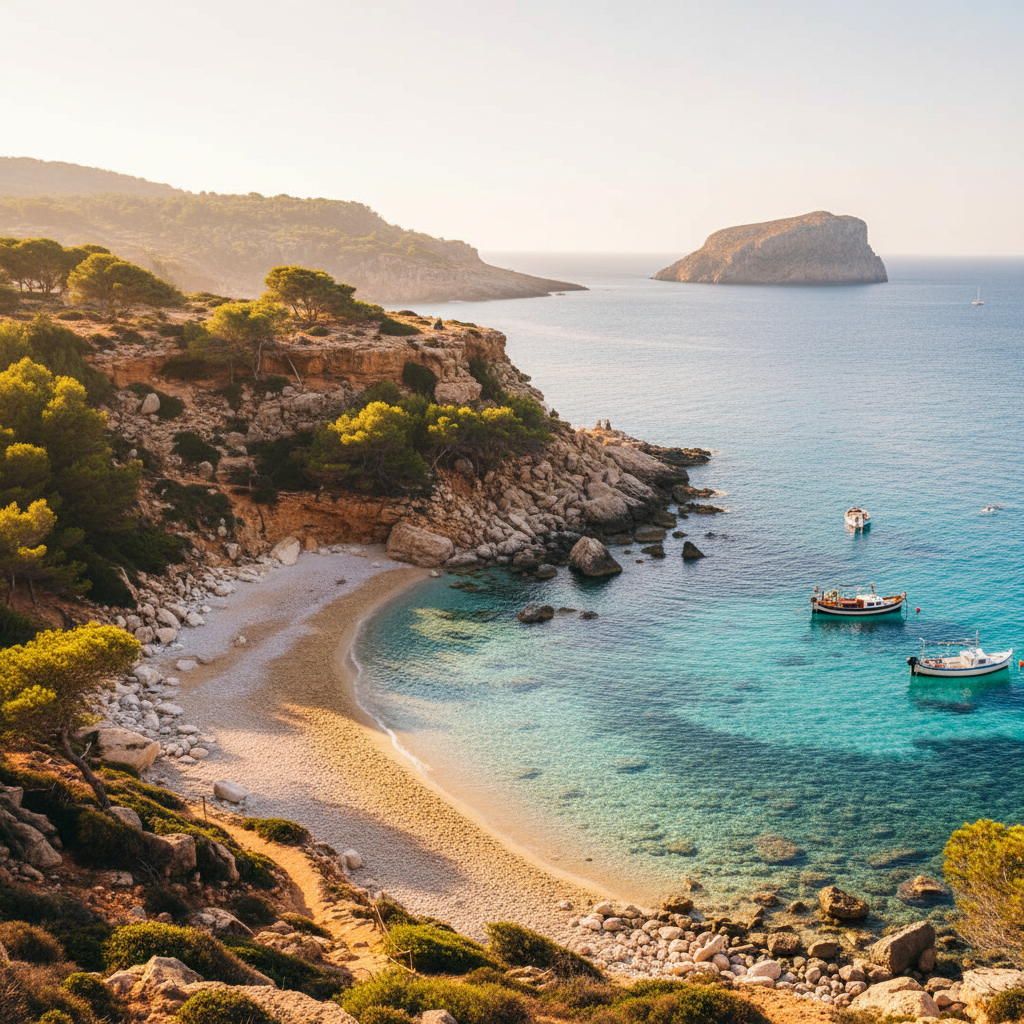
Ibiza's beaches are legendary, and for the vast majority, they're places of pure relaxation. However, there are a few safety considerations unique to the beach environment.
- Unattended Valuables: This is the numero uno beach safety concern. Leaving your phone, wallet, or designer sunglasses unattended while you swim in the crystal-clear waters of Cala Salada or Es Cavallet is an open invitation for opportunistic theft. If you're alone, consider a waterproof pouch for essentials and keep it on you, or better yet, leave unnecessary valuables secured at your hotel. If you're with friends, take turns swimming.
- Strong Currents: While most popular swimming spots are generally calm, certain areas can experience stronger currents, especially after heavy rains or on windy days. Look for flag warnings from lifeguards. A red flag means no swimming. Beaches like Playa d'en Bossa, Cala Llonga, and Santa Eulalia often have lifeguard services during peak season (June-September), typically from 10:00 to 19:00.
- Jellyfish: Though not a constant threat, jellyfish (medusas) can appear, particularly in late summer or after specific weather patterns. Stings are usually painful but not dangerous for most people. Lifeguards will often post warnings. Carry a small bottle of vinegar or an antihistamine cream for immediate application if you're particularly concerned heading to more remote beaches like Cala Xarraca.
- Sun Protection: This isn't crime, but it's a significant health safety issue. The Ibiza sun is intense, especially from 12:00 to 16:00. Sunburn and heatstroke can ruin your holiday. Use high SPF (€15-€25 for a good 200ml bottle) sunscreen, wear a hat, and seek shade. Stay hydrated – drink plenty of water (a 1.5L bottle costs €1-€2 from a supermarket, €3-€5 at a beach bar).
Accommodation Security: Your Home Away from Home
Whether you're in a luxury villa in Cap Martinet, a bustling hotel in Figueretas, or a quieter guesthouse in Santa Agnès, your accommodation is your sanctuary.
- Hotel Rooms & Apartments: Always use the safe provided for passports, significant sums of cash (though carrying large amounts of cash isn't recommended), and expensive electronics when you're out. Lock your doors and windows, even if you're just stepping out for a moment. Check that balcony doors lock securely, especially if you're on a ground-floor or easily accessible first-floor apartment. Most modern hotels will have keycard access, which is generally secure.
- Villas: If renting a private villa, verify the security measures with the rental agency. Does it have an alarm system? Secure gates? Is the area well-lit at night? While villa break-ins are rare, they do happen, especially in more isolated properties or if security is lax. Ensure windows and doors are always locked when you're away. Be wary of posting your villa's exact location on social media.
- Rental Scams: A growing concern is fraudulent villa or apartment rentals advertised online. Always use reputable booking platforms or established local rental agencies. Be suspicious of deals that seem too good to be true, or requests for upfront payment via unusual methods like Western Union. Verify the agency's credentials and read reviews. For legitimate luxury experiences, check out hotels like Nobu Hotel Ibiza Bay or W Ibiza, or reputable villa agents (/hubs/luxury-travel).
Personal Safety & Awareness: Being Proactive
Your own vigilance and common sense are your most powerful safety tools.
- Alcohol & Substance Consumption: This is where many people let their guard down. While enjoying yourself is part of the Ibiza experience, excessive alcohol or drug consumption impairs judgment, reduces awareness, and makes you a much easier target for opportunists. Know your limits, stay hydrated, and try to have at least one person in your group who remains relatively clear-headed. If you feel too impaired, get to your accommodation safely and rest.
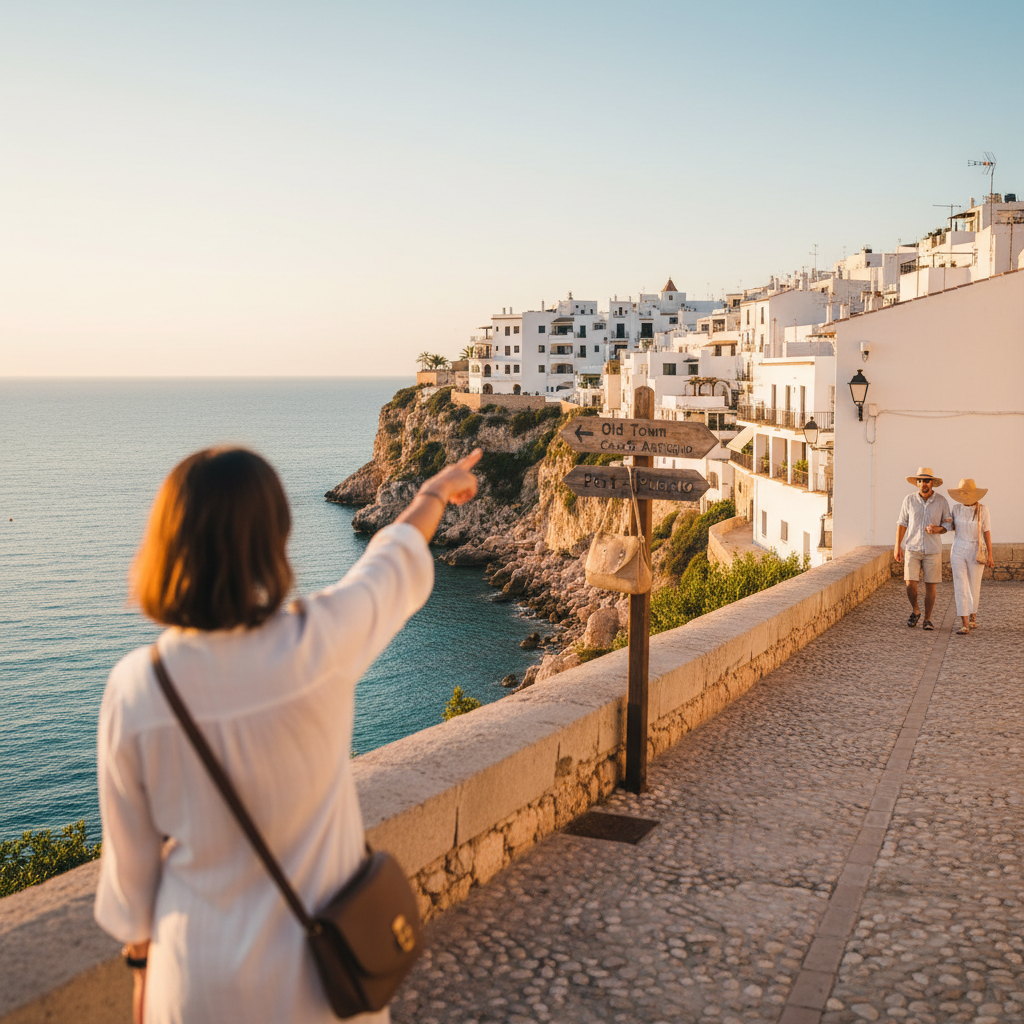
- Walking Alone at Night: In well-lit, busy areas like the port of Ibiza Town (Dalt Vila area) or the main promenade of San Antonio, walking alone generally feels safe. However, navigating quieter, darker streets or less populated areas late at night should be avoided if possible. Use taxis or walk with a group.
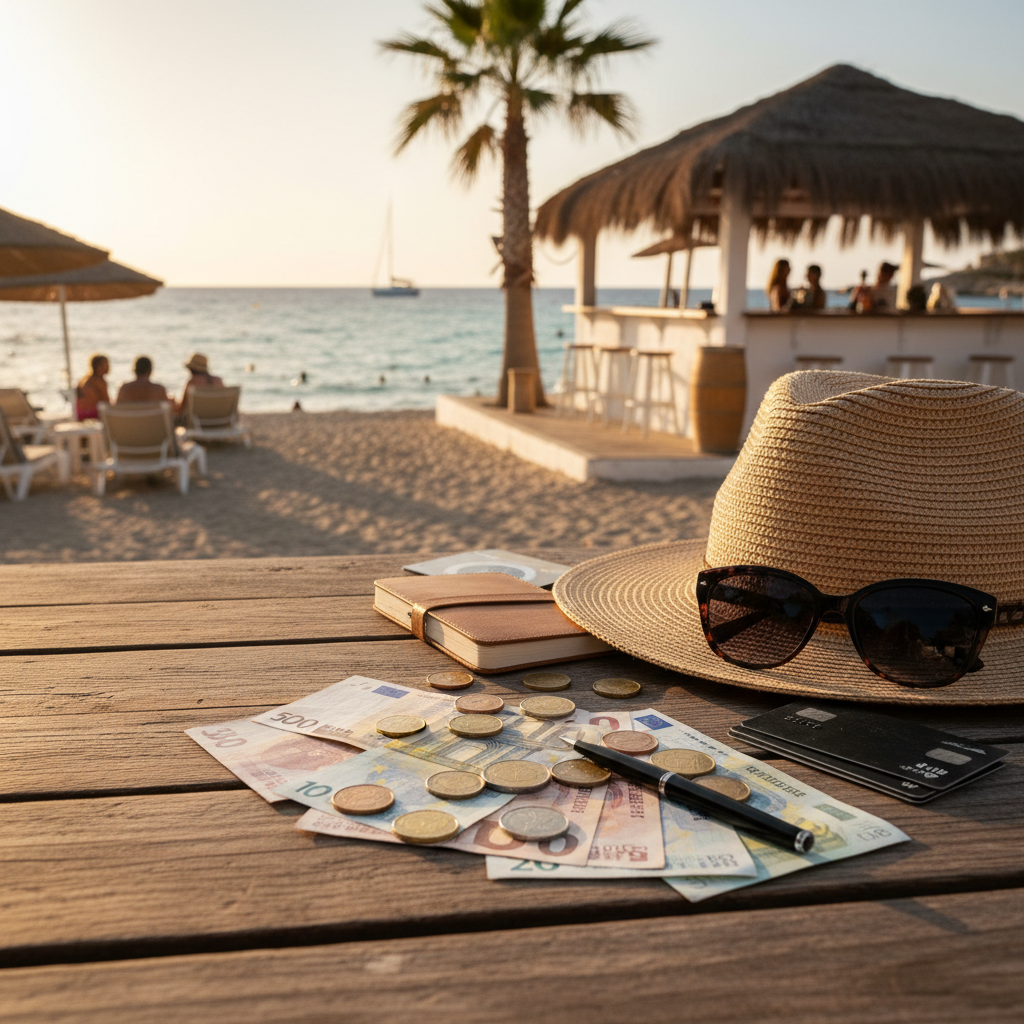
- Cash vs. Card: Most establishments in Ibiza accept card payments, and many even prefer it. Limit the amount of cash you carry to what you reasonably expect to spend for the day/night (e.g., €50-€100). This minimizes your loss if pickpocketed. ATMs are widely available, but stick to official bank ATMs (Santander, CaixaBank, BBVA) rather than independent, sometimes higher-fee, machines often found in convenience stores.
- Bag Security: Carry bags diagonally across your body (crossbody), with the main compartment facing forward. Avoid backpacks in crowded areas, or wear them on your front. Don't keep phones or wallets in back pockets. Zipped compartments are always better than open ones.
- Stranger Danger (The "Friendly" Approach): Be cautious if strangers approach you with overly friendly or insistent offers, particularly for drugs, tickets that seem too cheap, or "free" drinks. This can be a distraction technique to facilitate pickpocketing or lead to other problems. A polite but firm refusal is usually sufficient.
Road Safety: Scooters, Cars, and Pedestrians
Navigating Ibiza's roads requires a degree of caution, especially during the peak summer months.
- Scooter Rentals: Scooters are a popular way to explore, but they come with risks. The roads can be winding, sometimes poorly maintained in rural areas, and other drivers (tourists and locals) can be impatient. Always wear a helmet (it's mandatory by law, punishable by a minimum €200 fine and points on license if you have a European one). Ensure your rental scooter is well-maintained and that you have appropriate insurance. Many accidents involve inexperienced riders. A typical 125cc scooter rental is around €40-€60 per day in high season.
- Driving: If you rent a car, be aware of the "Ibiza driving style" – sometimes fast, sometimes less signal-conscious. Parking can be a nightmare in popular towns like Ibiza Town or San Antonio. Pay attention to parking restrictions (blue zones usually require payment via meters, white lines are free, yellow lines are no parking).
- Pedestrian Safety: In tourist hotspots, pavements can be crowded, and drivers aren't always looking out for pedestrians confidently stepping out. Be particularly careful crossing roads, especially late at night when visibility is reduced, and drivers may be rushing.
Emergency Contacts & Local Support
Knowing who to call and where to go if something does go wrong is crucial.
- General Emergency Number: 112. This is the pan-European emergency number for police, ambulance, and fire services. Operators speak multiple languages.
- Local Police (Policía Local): For non-urgent incidents or less severe issues. In Ibiza Town, their station is visible and easy to find.
- National Police (Policía Nacional) / Civil Guard (Guardia Civil): For more serious crimes. Again, their stations are signposted.
- Lost/Stolen Items: If your passport is stolen, report it to the nearest police station immediately. You'll need a police report to obtain an emergency travel document from your embassy/consulate. Keep photocopies or digital copies of your passport and important documents stored separately from the originals.
- Medical Emergencies: Ibiza has well-equipped public hospitals (e.g., Hospital Can Misses in Ibiza Town) and several private clinics. Ensure you have comprehensive travel insurance. If you have an EHIC/GHIC card (for EU/UK citizens), carry it. A doctor's visit can cost €60-€100 without insurance.
Villages and Quieter Areas: A Different Pace
While the focus often turns to the clubbing hubs, much of Ibiza is made up of charming villages and tranquil rural landscapes. In areas like Santa Gertrudis, San Juan (Sant Joan de Labritja), or Es Cubells, the crime rate is even lower. Here, community spirit is strong, and a sense of safety is palpable. Petites thefts are exceedingly rare, and the main "dangers" might be getting lost on a winding rural road or encountering a wild goat. However, the same rules about securing your accommodation apply. If you're exploring the more remote parts of the island, ensure your phone is charged, and perhaps download offline maps (/hubs/hiking-nature).
Concluding Thoughts: Embrace the Magic, Stay Alert
Ibiza is incredibly safe when approached with common sense and a little insider knowledge. The vast majority of visitors have an amazing, incident-free time. Don’t let concerns overshadow the incredible experiences waiting for you. By being mindful of your belongings, understanding the dynamics of certain areas, and prioritizing your well-being, you can fully immerse yourself in the magic of the White Isle, whether you're dancing until dawn at Hï Ibiza, exploring the ancient streets of Dalt Vila, or simply watching the sunset from Cala Comte. Your safe and unforgettable Ibiza adventure starts with being prepared.