Phoenician Ibiza: The Island's Ancient Roots
Everything you need to know about phoenician ibiza: the island's ancient roots in Ibiza — practical info, local tips and where to go next.
Unearthing Ebusus: The Phoenicians' Mediterranean Jewel
Forget the superclubs and sunset cocktails for a moment. To truly understand Ibiza’s enduring, almost magnetic, allure, you must journey back nearly three millennia to an era when seafaring Phoenicians first cast their discerning eyes upon its shores. This wasn't merely a stopover; it was Ebusus, a strategically vital settlement and a testament to their unparalleled maritime prowess and commercial ambition. For over 600 years, from approximately 654 BC, the Phoenicians and their Carthaginian successors shaped the very essence of Ibiza, leaving an indelible mark that resonates through its landscapes, traditions, and even its spiritual heartbeat. This isn't just ancient history; it's the foundational narrative of the island you love.
The Strategic Imperative: Why Ebusus?
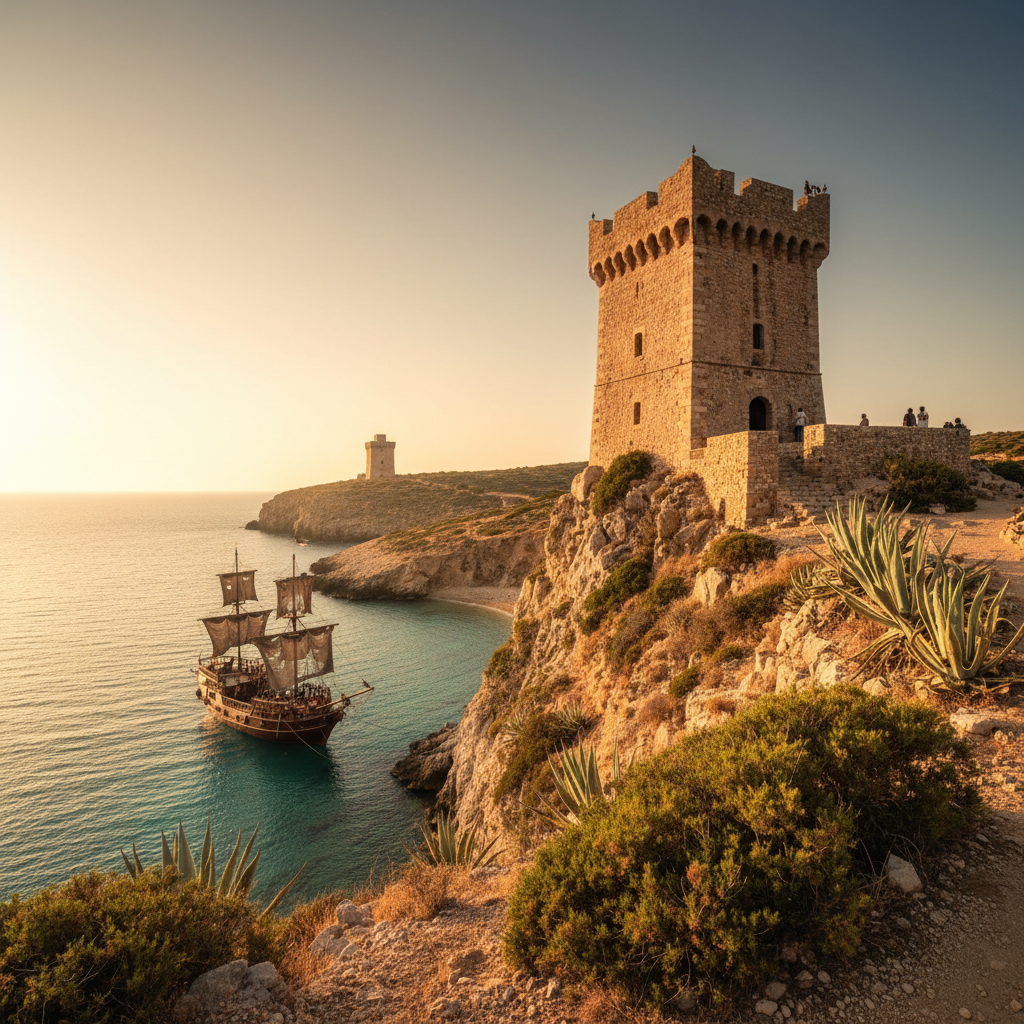
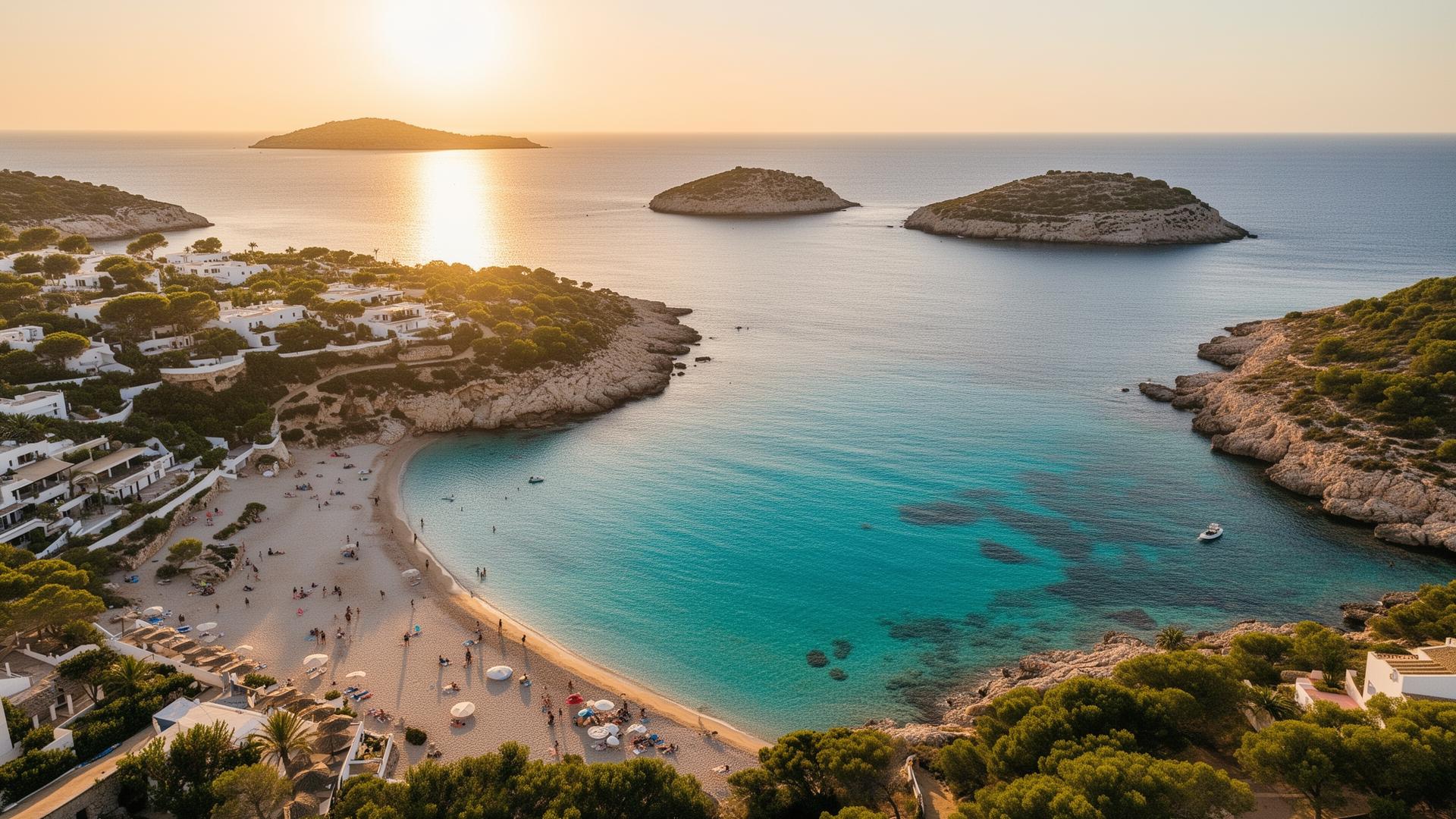
Why would a sophisticated trading civilization, originating from modern-day Lebanon, establish a major outpost in the western Mediterranean? The answer lies in Ibiza’s unique geographical advantages. Firstly, its central position was unrivalled – a natural midway point between the North African coast, the Iberian Peninsula, and the emerging trade routes to the Atlantic. Imagine the ancient equivalent of a global logistics hub. Secondly, the island boasted natural harbours, most notably the deep, sheltered bay where Ibiza Town (Vila) now stands – a perfect haven for their powerful biremes and triremes even in the fiercest Tramuntana winds.
But the real Midas touch for the Phoenicians was salt. The vast, naturally occurring salt flats (Ses Salines) on the southern tip of the island were an invaluable commodity in the ancient world, used not just for food preservation but as a vital trading currency. This "white gold" was arguably the primary driver for sustained settlement. Furthermore, the island offered fertile soils, freshwater springs (such as those near Santa Eulalia and Sant Miquel), and strategic defensive capabilities. These elements combined made Ebusus not just viable, but a highly profitable and defensible trading post, safeguarding vital maritime routes and enriching the Phoenician commercial empire.
Dalt Vila: The Enduring Legacy, Brick by Ancient Brick
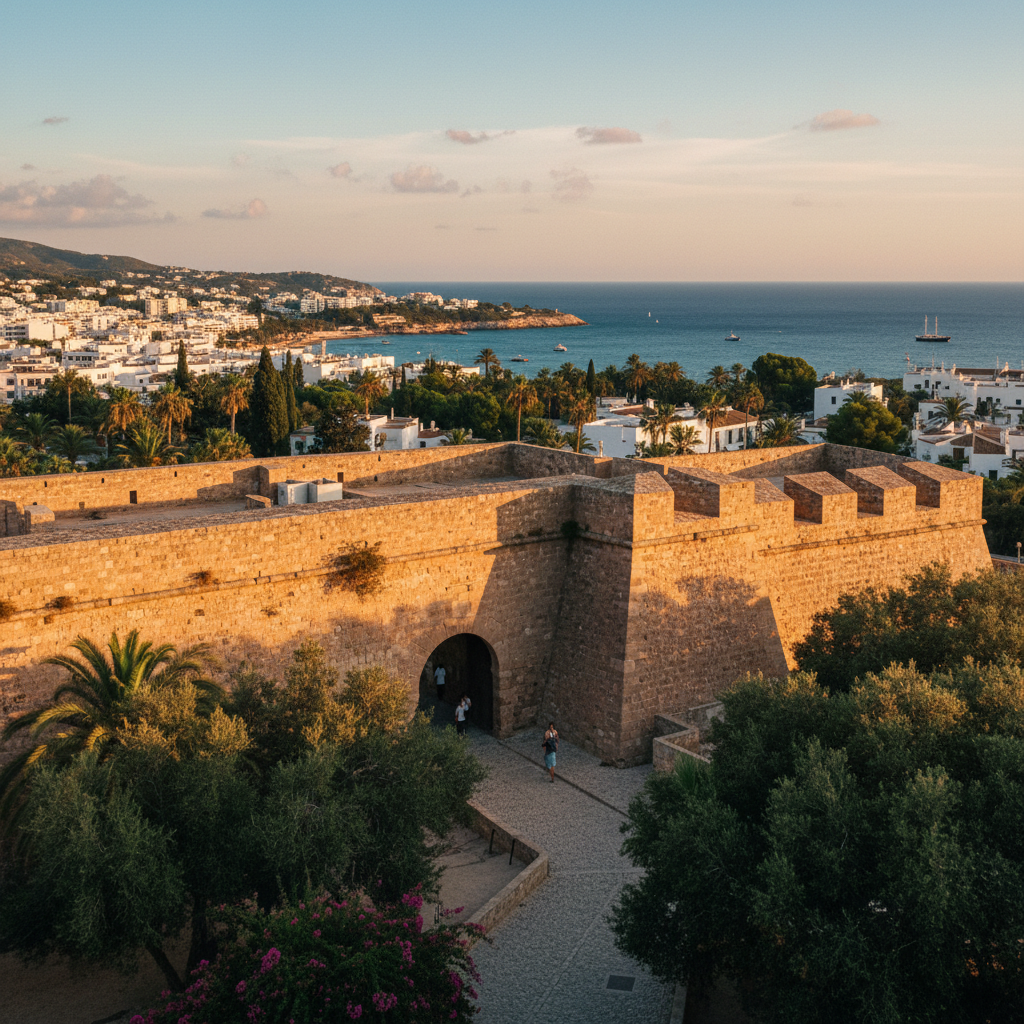
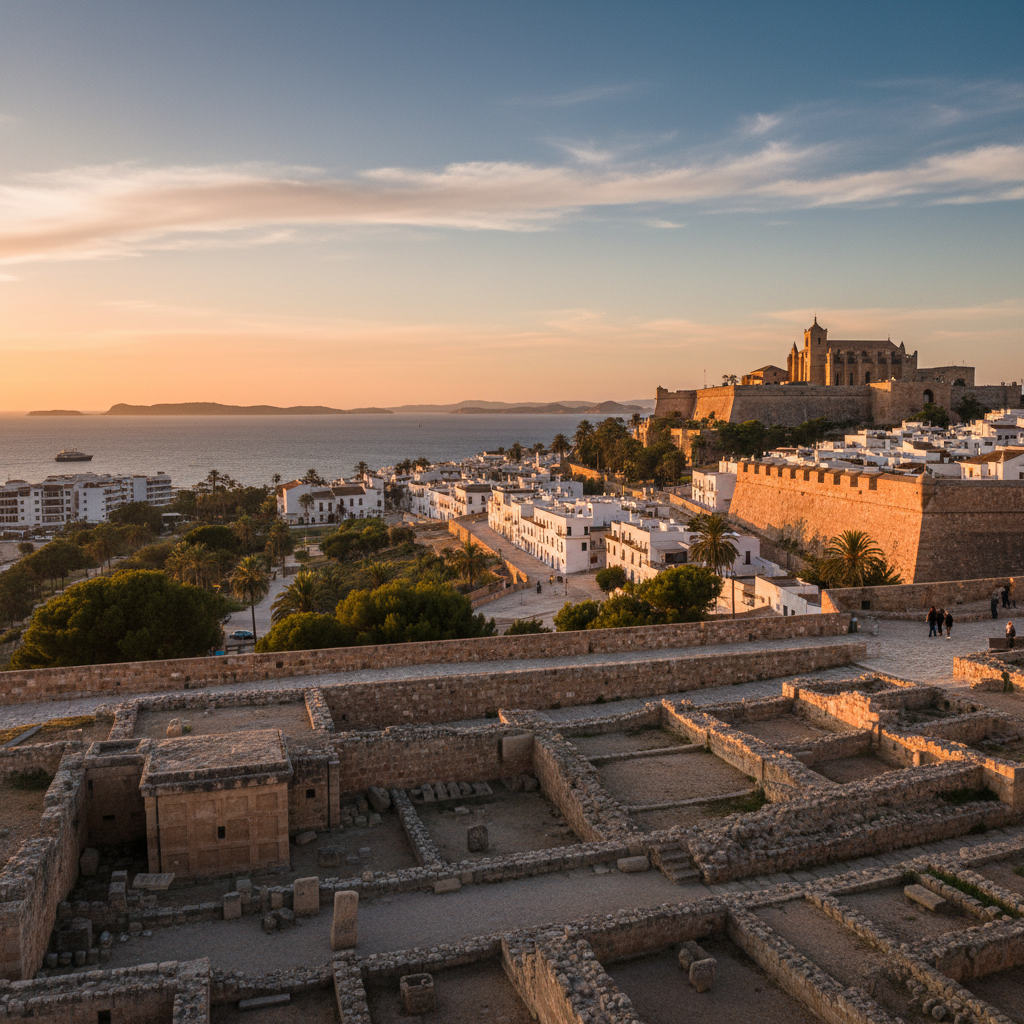
To truly grasp the Phoenician and Punic impact, one must ascend the cobbled ramparts of Dalt Vila, Ibiza Town's fortified old city. While the current walls are largely Renaissance, what lies beneath and within is a palimpsest of history, directly tracing its origins back to the Phoenician foundation of Ebusus in 654 BC. The very layout of the upper town, its natural defensive position, and the archaeological finds within its confines speak volumes.
Imagine the original Phoenician settlement, perched on this same strategic hilltop, overlooking the magnificent natural harbour. Excavations, particularly around the Cathedral and the Almudaina area, have revealed remnants of Phoenician and Punic housing, fortifications, and daily life. You won't see pristine Phoenician walls on display like in some Roman ruins, but the spirit of their urban planning, their choice of location, and the enduring importance of this site are palpable.
As you wander the labyrinthine streets, consider that the foundational layer beneath your feet is ancient Ebusus. The Museu Arqueològic d'Eivissa i Formentera, housed within Dalt Vila, is your absolute best resource for connecting with this past. Located near the cathedral, its exhibits showcase pottery, tools, figurines, and funerary steles that intricately detail Phoenician and Punic life, trade, and beliefs. Expect entry to be around €3.50-€5.00 for adults in 2025/2026, and it's generally open Tuesday to Sunday. Give yourself at least 2-3 hours to fully appreciate the collection. This is where the abstract concept of "Phoenician Ibiza" truly comes alive.
The Necropolis of Puig des Molins: A Glimpse into the Afterlife
No other site in Ibiza offers such a profound and tangible connection to its ancient inhabitants as the Puig des Molins Necropolis. Just a short walk from the walls of Dalt Vila (perhaps 10-15 minutes on foot, heading west), this UNESCO World Heritage Site is an extraordinary testament to Phoenician and Punic burial practices. It's not just a cemetery; it's an underground city of the dead, containing over 3,000 hypogea (underground burial chambers) carved into the rock face.
The Phoenicians and Carthaginians held deep beliefs about the afterlife, and this is vividly demonstrated here. The necropolis was actively used for over 600 years, and the sheer scale is staggering. While most of the tombs are sealed to protect them, the site offers an interpretative center and allows access to a few select, specially prepared hypogea. Inside, you can see the distinctive rock-cut chambers where the deceased, often accompanied by grave goods – pottery, lamps, amulets, and often exotic imports from across the Mediterranean – were laid to rest.
The Museo Monográfico del Puig des Molins, situated at the entrance to the necropolis, is an absolute must-visit. Its collection is superb, featuring stunning examples of Punic jewellery, scarabs, terracotta figurines (including the famous goddess Tanit), and richly decorated sarcophagi. Of particular note are the anthropoid (human-shaped) sarcophagi, indicative of strong Egyptian influence within Punic culture. Again, plan for an entry fee of around €3.50-€5.00 and dedicate at least 2 hours. Visiting this site brings a powerful sense of connection to the people who walked these shores millennia ago. It’s a sobering yet fascinating experience that casts a long shadow over the island's modern identity.
Tanit: The Enduring Goddess of Ibiza
While exploring the Puig des Molins Necropolis, you’ll undoubtedly encounter numerous representations of the goddess Tanit. She is, arguably, the most enduring symbol of Phoenician and Punic Ibiza. Adopted from the Carthaginian pantheon, Tanit was a powerful divinity associated with fertility, war, the moon, and particularly, prosperity and protection. For the inhabitants of Ebusus, she was their principal deity, revered in a way that permeates the island’s spiritual consciousness even today.
Her cult was pervasive. Votive offerings in her honour have been found across the island, from the necropolis to specific sacred caves. The most significant of these is the Cova des Cuieram, a natural cave sanctuary located near Sant Vicent de sa Cala on the very north-eastern tip of the island. This site, still accessible to visitors (though check opening hours seasonally, as it's often managed by a local family or small foundation), functioned as an important rural temple dedicated to Tanit. Here, carved figures and clay offerings, many discovered by intrepid locals in the late 19th century, speak of pilgrimages and prayers offered to the goddess. The experience of entering this cool, damp cave, knowing that people sought solace and blessing here millennia ago, is uniquely profound. While there's no major museum here, the atmosphere itself is the exhibit. You'll need a car to reach it, and the last 1-2 km can be a narrower, unpaved track in parts.
Even in contemporary Ibiza, you’ll find subtle references to Tanit. Her distinctive, stylized symbol (a triangle with a circle and horizontal line) appears in local art, jewellery, and even restaurant names, a testament to her lasting protective aura over the island. Understanding Tanit is to understand the heart of ancient Ibiza.
Trade and Prosperity: Ebusus as a Mediterranean Hub
Beyond religious practices, the Phoenicians made Ebusus a powerhouse of trade. The island's strategic location, coupled with its natural resources – particularly salt, lead, and agricultural produce (wine, olive oil) – meant it thrived as a commercial entrepôt. Phoenician traders were master craftsmen and navigators, and Ebusus became a crucial pivot point in their vast network.
Evidence of this extensive trade is abundant in archaeological finds. Look for imported Greek pottery (especially from Athens and Corinth), Etruscan bronze objects, and even Egyptian scarabs in the museums. This wasn't merely a local economy; it was deeply interconnected with the wider Mediterranean world. Ebusus produced its own unique "Ebusitan" pottery – often rougher, undecorated wares for daily use and storage – but it was simultaneously a recipient and distributor of foreign goods.
The harbour of Ebusus was a constant buzz of activity. Ships would arrive laden with textiles, precious metals, spices, and exotic animals from distant lands, departing with Ibiza's salt, lead, and artisanal products. This influx of goods and cultures fostered a cosmopolitan environment, laying the groundwork for Ibiza's centuries-long reputation as a melting pot and a place where different currents converge. This rich commercial history is part of what makes Ibiza such a vibrant place today – a magnet for diverse people and ideas, just as it was 2,500 years ago.
Sant Elm Beach and the Lost Punic Shipwreck
While most Phoenician remains are terrestrial, evidence of their maritime network occasionally emerges from the depths. One of the most fascinating (though not directly visitable by the general public in its original context) historical finds relating to Punic seafaring is the Sant Elm shipwreck. Discovered in 2000, off the coast of Sant Antoni de Portmany, this shipwreck dates to the 4th-3rd century BC (Punic period) and provides invaluable insights into their shipbuilding techniques and cargo.
The wreck contained a significant amount of pottery, including Ebusitan amphorae (large storage jars) likely filled with wine or garum (a fermented fish sauce, highly prized in antiquity), and other ceramics. This find at a depth of around 50 meters highlights the busy maritime routes radiating from Ebusus and the ever-present risks of ancient sea travel. While you can't dive to the wreck itself, the finds are preserved and occasionally displayed at the Museo Arqueològic d'Eivissa i Formentera in Dalt Vila. It's a vivid reminder that the sea, which today brings millions of tourists, was then the lifeblood – and sometimes the tomb – of its ancient inhabitants. Perhaps on a boat trip from Sant Antoni, gazing out at the clear waters near Sant Elm, you might ponder the busy Punic merchant ships that once navigated these very currents.
The End of Phoenician Dominion and the Roman Arrival
The Punic period in Ibiza effectively concluded with the devastating Second Punic War (218-201 BC) between Carthage and Rome. While Ibiza maintained a somewhat unique status during this conflict – famously refusing to provide troops for Hannibal and thus avoiding Roman destruction – Carthage’s ultimate defeat marked the end of Punic supremacy in the western Mediterranean.
Following Carthage's downfall, Ebusus eventually came under Roman influence, formally incorporated into the Roman province of Hispania Citerior. However, the Romans, recognizing Ibiza's distinct commercial value and its strategic importance, granted Ebusus a special status as a "foederata civitas" (allied city). This meant it retained a significant degree of local autonomy, including the right to mint its own coinage and govern its internal affairs. The Roman presence brought new infrastructure, laws, and Latin language, but the deep-seated Punic cultural substratum was never entirely erased. The salt flats continued their lucrative operations, the harbour remained busy, and the island continued its role as a vital Mediterranean node. The Phoenician legacy, though evolving, was effectively too robust to simply vanish.
A Taste of the Ancients: Contemporary Echoes
While you won't find a "Phoenician Restaurant" serving garum and spiced wine (at least not authentically!), the ancient legacy subtly infuses modern Ibizan life. The island's deep connection to the land and sea, its agricultural traditions, and even its reputation as a place of spiritual seeking can be traced back to its earliest settlers.
Consider the olives grown in the interior like near Santa Gertrudis, still pressed for their oil, a tradition millennia old. Or the vibrant fishing industry in places like Es Cubells or Sant Miquel, echoing the dependence on the sea for sustenance and trade established by the Phoenicians. The Ibizan sofrit pagès, a hearty meat and vegetable stew, or the traditional bread (pan de payés), connect to ancient agricultural practices. While not a direct lineage, the spirit of self-sufficiency and respect for indigenous produce certainly carries through.
When you sit at a beach restaurant in Talamanca Bay or a cafe overlooking the harbour, enjoying local seafood or a glass of Hierbas Ibicencas, you are, in a very real sense, participating in a continuum of human activity that has defined this very spot for thousands of years. The enduring draw of Ibiza, its unique blend of strategic location, natural beauty, and a certain undefinable je ne sais quoi, was first keenly felt and capitalised upon by the Phoenicians. Their Ebusus is not just old stones; it's the very foundation of the island's identity. It's a reminder that beneath the pulsating beats and glamorous facades, Ibiza’s soul is ancient, resilient, and profoundly rich. To delve into "Phoenician Ibiza" is to truly understand the island's captivating story. For more on the island's rich heritage, explore our guides on [/hubs/culture-history] and discover other fascinating historical layers like [/articles/ibiza-hippy-markets].